Graveyard decks are for players who want every discarded, milled, or destroyed card to remain part of the game plan. This strategy wants to stock the graveyard, using self-mill, discard outlets, sacrifice, and dredge-style cards, to win by recurring threats, lands, and value pieces until opponents run out of clean answers. Unlike Reanimator, graveyard value decks EDH players build are not centered on one huge creature arriving early, and unlike Mill they use self-mill as fuel rather than treating libraries as the main target. The best graveyard commanders turn the graveyard into a steady resource engine that can rebuild after removal.


Golgari combines black recursion and sacrifice with green self-mill, regrowth, and creature value.

Sultai adds blue card selection and self-mill to Golgari recursion for broader long-game engines.
Dimir uses blue-black mill, discard, and interaction to play a slower graveyard control game.

Abzan adds white mass recursion, protection, and resilient boards to black-green graveyard engines.
Graveyard decks excel through a specific playstyle and win conditions. Here's how they work:
✓ You treat the graveyard as a resource engine instead of a discard pile.
✓ You stock it with self-mill discard outlets sacrifice effects and dredge cards.
✓ You replay creatures lands and spells so removal becomes a delay rather than an ending.
✓ You convert recursion into cards mana drain or repeatable board control.
✓ You rebuild through sweepers by returning the pieces opponents already answered.
✓ You close by grinding the table out or looping a recursion payoff.
Returns any card from the graveyard and becomes repeatable value when recurred.
Dredges cards while returning lands, keeping both mana and graveyard resources moving.
Lets you play several permanent types from the graveyard each turn as a built-in engine.
Converts creature deaths and graveyard movement into drain across the table.
Sits in the graveyard and turns each upkeep into another creature returned.
Graveyard value suits players who like patient games where resources are spent, returned, and spent again. The skill floor is moderate because you need to track the graveyard and sequence recursion without walking into hate. Budget builds work well because many self-mill cards and value creatures are inexpensive.
Both use deaths, but Aristocrats wins from triggers while Graveyard reuses the cards afterward.
Sacrifice puts cards in the graveyard; Graveyard decks make recurring them the engine.
Reanimator cheats large threats into play; Graveyard grinds many resources over time.
Mill weaponizes libraries; Graveyard uses self-mill to stock its own recursion engine.
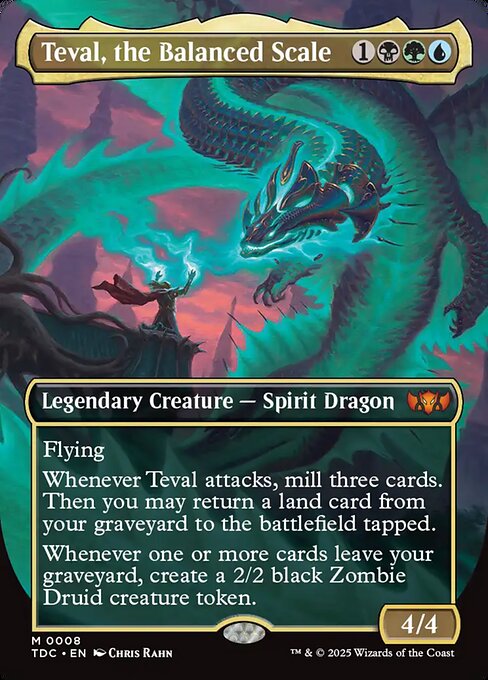
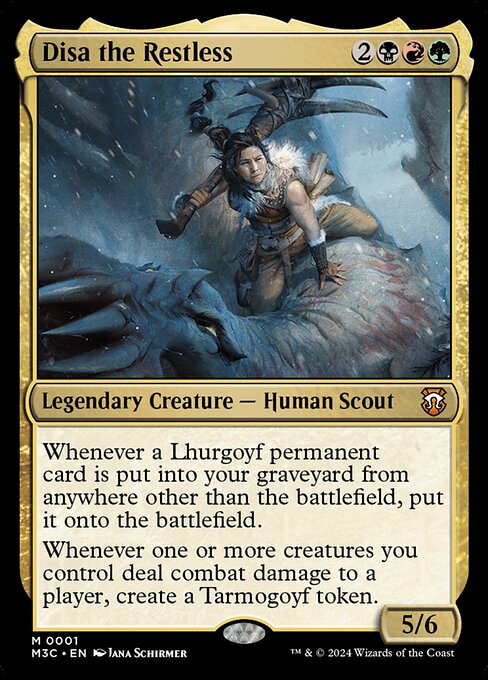
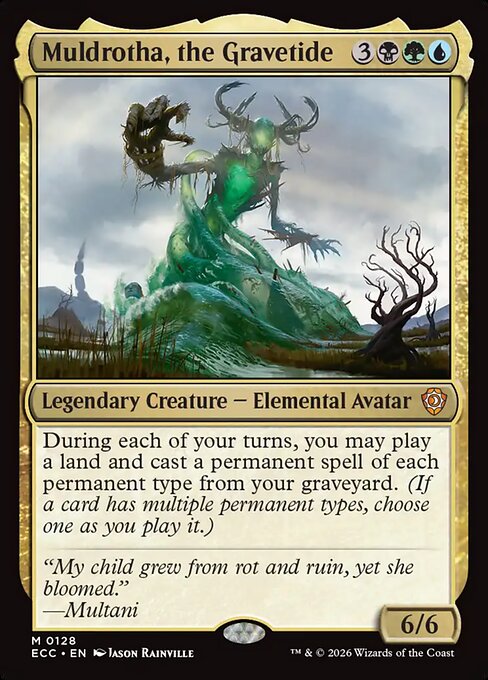

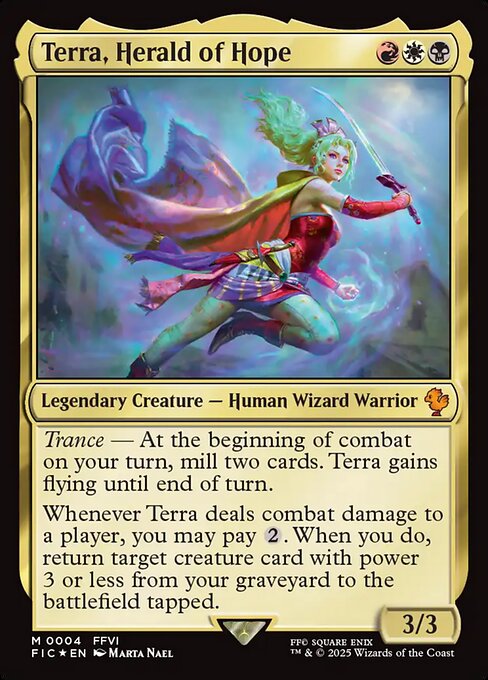
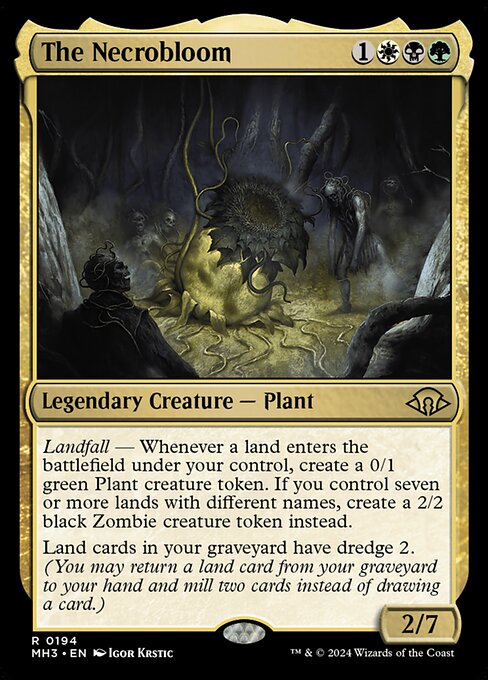
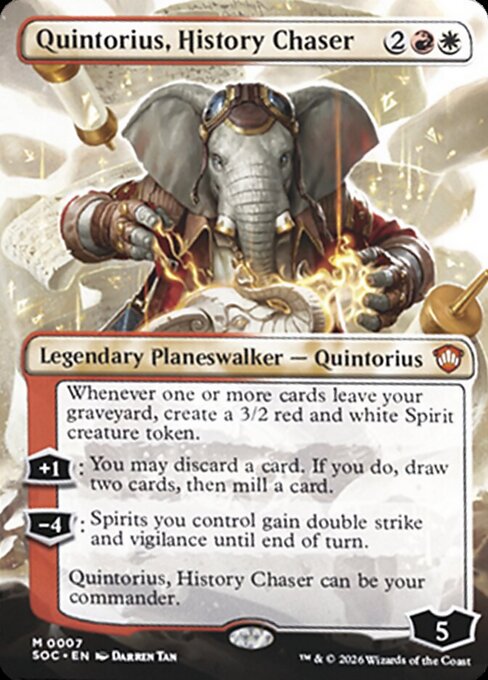
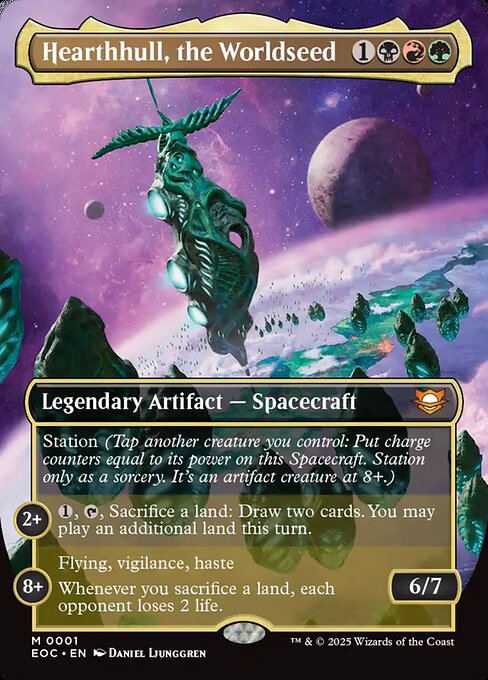
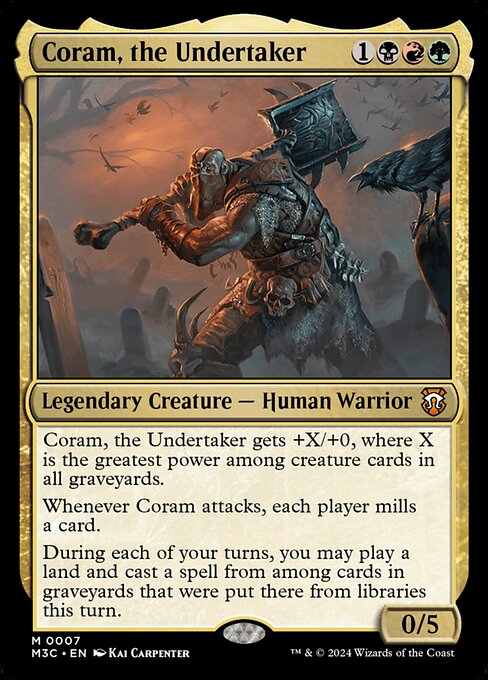
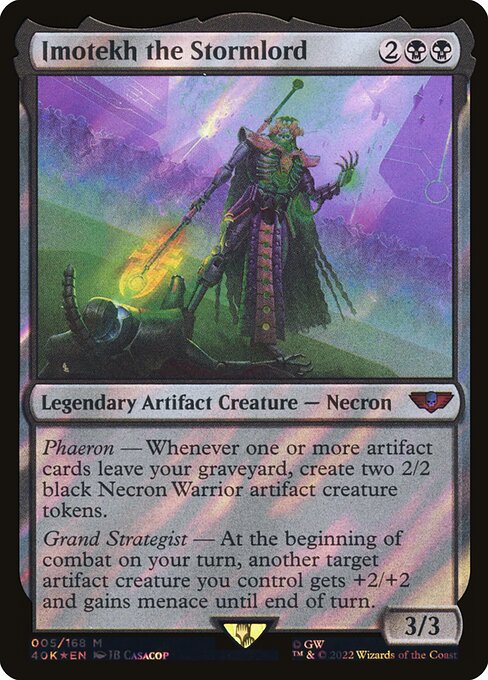

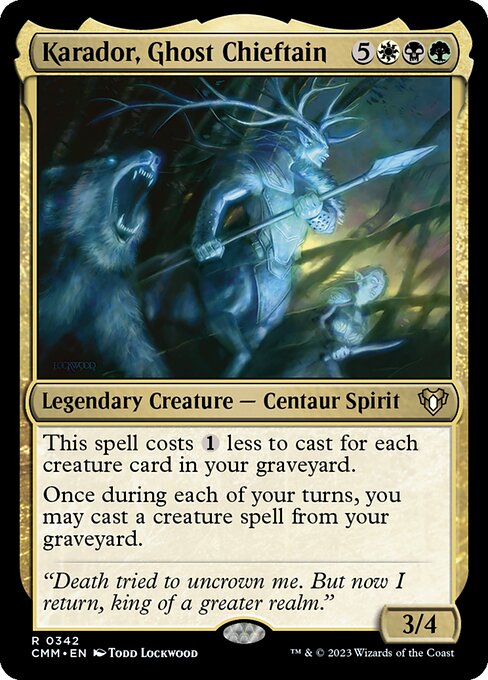
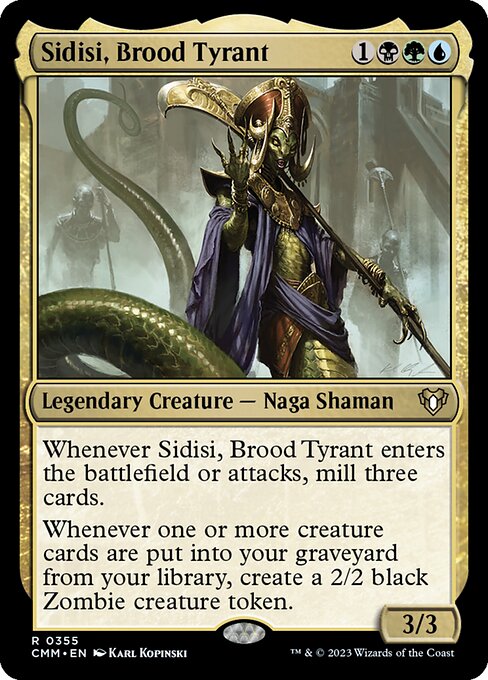
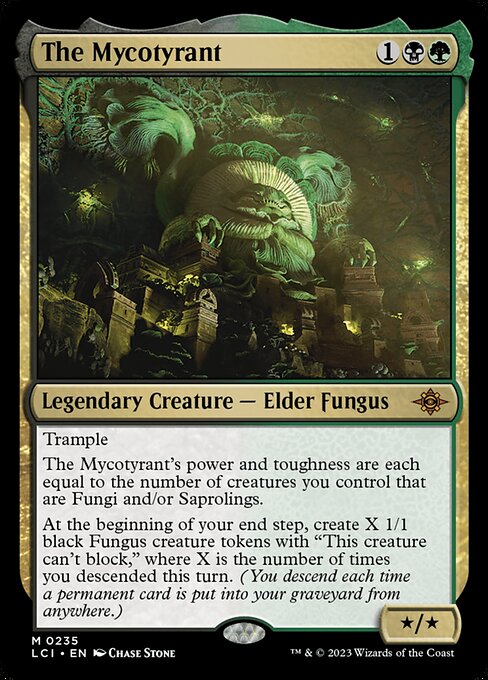

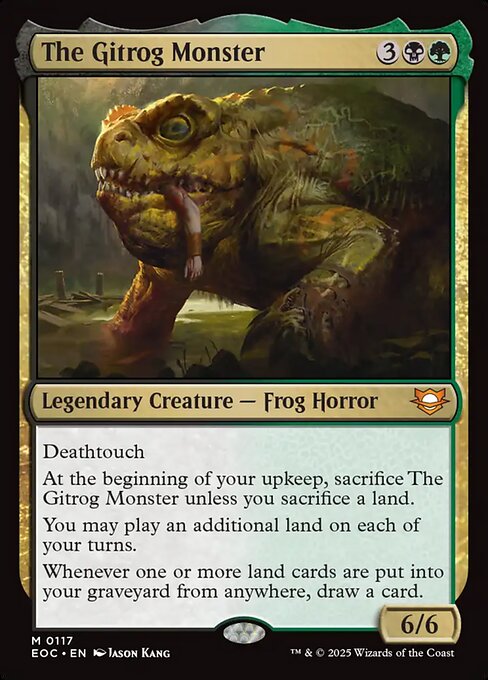
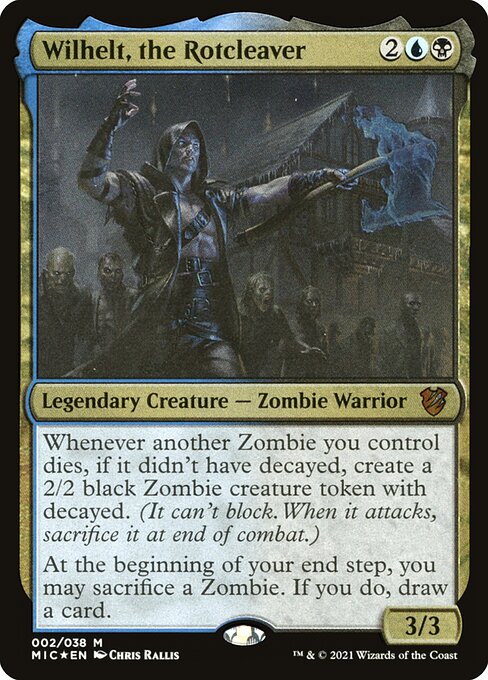
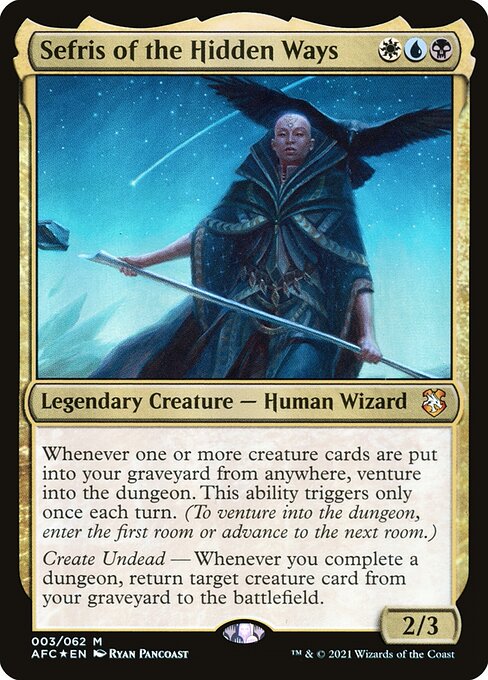
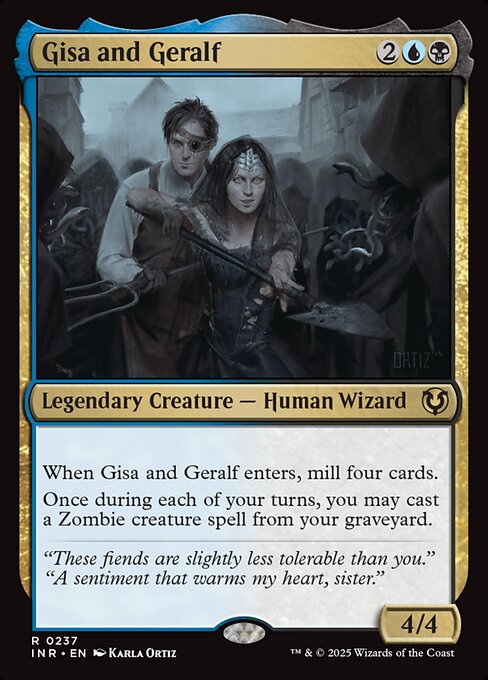
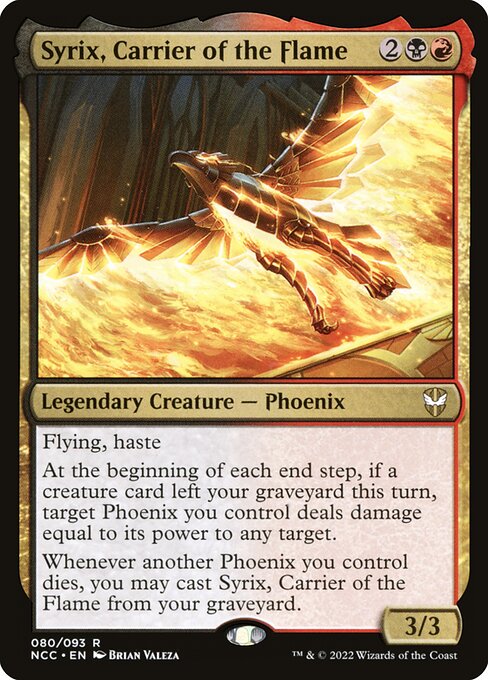
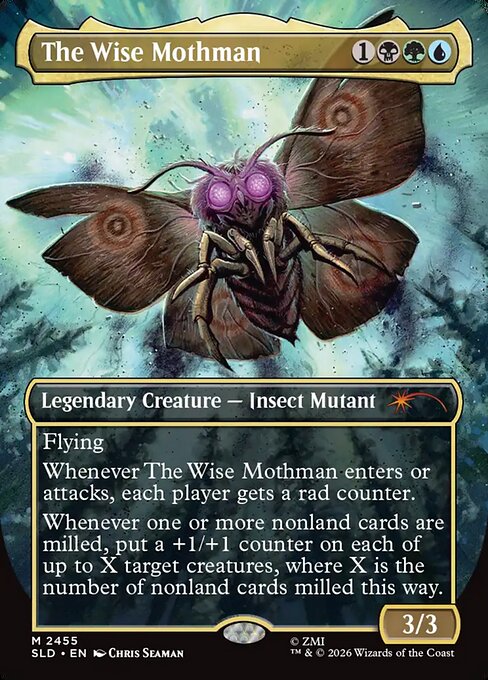
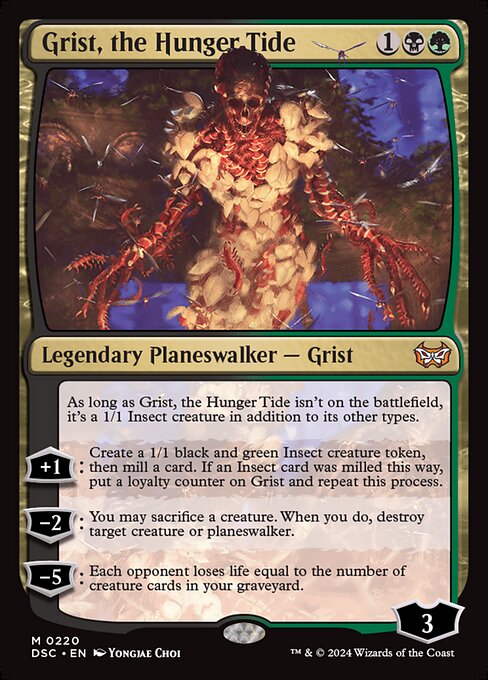
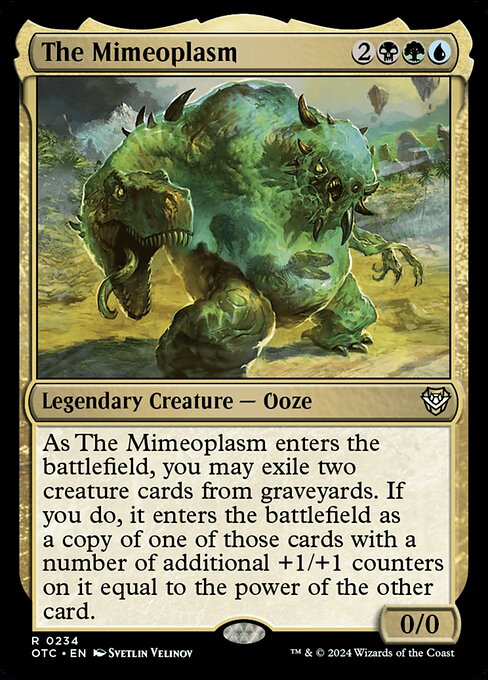
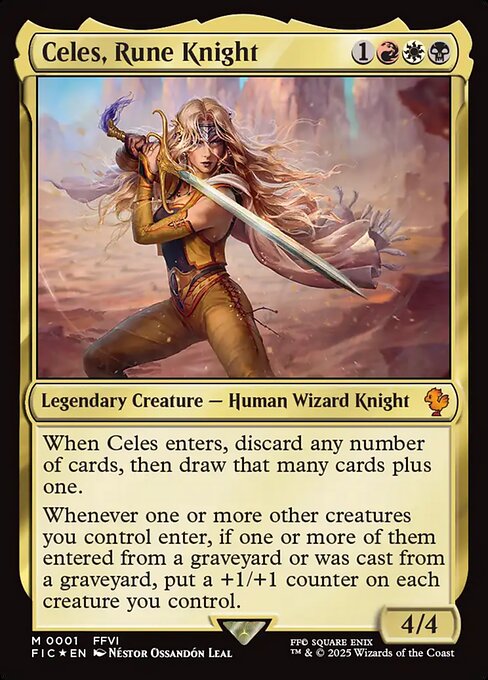
The best graveyard commanders typically provide consistent access to the strategy's core mechanics. Look for commanders that you treat the graveyard as a resource engine instead of a discard pile.
Graveyard decks win through a combination of Eternal Witness, Life from the Loam, Muldrotha, the Gravetide, and other synergistic pieces that graveyard decks are for players who want every discarded, milled, or destroyed card to remain part of the game plan.
Golgari combines black recursion and sacrifice with green self-mill, regrowth, and creature value. However, Sultai adds blue card selection and self-mill to Golgari recursion for broader long-game engines.
Dedicated graveyard hate like Rest in Peace or Bojuka Bog can shut off the engine at once. Exile removal permanently answers threats and engines that would otherwise keep coming back. The deck can spend early turns setting up while faster strategies build pressure or combo pieces. Recursive lines are visible in the graveyard, so opponents often know which piece to answer.