


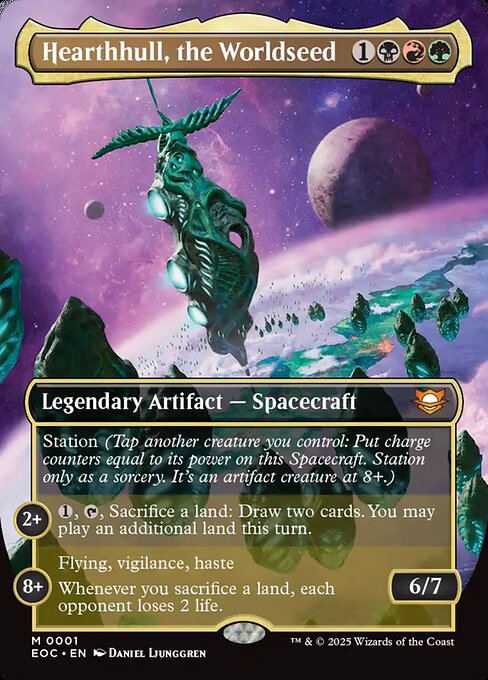
Hearthhull, the Worldseed
Color Identity



Details
Mana Value
4
Popularity
#518
of 3,466 commanders · via EDHREC
Card Text
Legendary Artifact — Spacecraft
Station (Tap another creature you control: Put charge counters equal to its power on this Spacecraft. Station only as a sorcery. It's an artifact creature at 8+.)
2+ | {1}, {T}, Sacrifice a land: Draw two cards. You may play an additional land this turn.
8+ | Flying, vigilance, haste
Whenever you sacrifice a land, each opponent loses 2 life.
6/7
Playstyle
Midrange · Steady · Minimal interaction · Wins by combat
- Aggression
- 3 of 5
- Speed
- 2 of 5
- Interaction
- 2 of 5
- Combat
- 4 of 5
- Engine
- 4 of 5
- Complexity
- 4 of 5
Card Price
Strategy Guides
Ramp Strategy Guide
Ramp decks are for players who want to spend the early game accelerating so later turns happen ahead of schedule. This strategy wants to build more mana than the table, using mana ramp EDH staples, extra land drops, dorks, and rocks, to win through earlier threats, large spells, or a resource lead opponents must answer. Ramp is different from Landfall because acceleration is the point, and different from Big Mana because it is the engine rather than the payoff. The best ramp commanders reward extra mana sources while still giving you something meaningful to cast.
Landfall Strategy Guide
Landfall decks are for players who want every land drop to become a trigger, not just another mana source. This strategy wants to put lands onto the battlefield repeatedly, using fetch lands, extra land drops, land recursion, and landfall commanders, to win through tokens, counters, damage, cards, or other lands matter decks EDH payoffs. In the Ramp, Landfall, and Big Mana cluster, Ramp accelerates mana, Big Mana spends that mana on huge spells, and Landfall treats the land entering as the engine itself. The deck feels like turning the most reliable game action into a chain of visible rewards.
Sacrifice Strategy Guide
Sacrifice decks are for players who want their own permanents to be flexible resources rather than pieces to protect at all costs. This strategy wants to feed creatures, artifacts, and tokens into a sacrifice outlet, using fodder makers, recursion, and sacrifice commanders, to win through mana loops, edicts, drain payoffs, or a steady resource lead. Unlike Aristocrats, it is broader than death trigger drain, and unlike Tokens it values bodies mainly as expendable fuel. The best sacrifice commanders keep the engine moving even when opponents point removal at your board.
Graveyard Strategy Guide
Graveyard decks are for players who want every discarded, milled, or destroyed card to remain part of the game plan. This strategy wants to stock the graveyard, using self-mill, discard outlets, sacrifice, and dredge-style cards, to win by recurring threats, lands, and value pieces until opponents run out of clean answers. Unlike Reanimator, graveyard value decks EDH players build are not centered on one huge creature arriving early, and unlike Mill they use self-mill as fuel rather than treating libraries as the main target. The best graveyard commanders turn the graveyard into a steady resource engine that can rebuild after removal.
Appears in These Collections
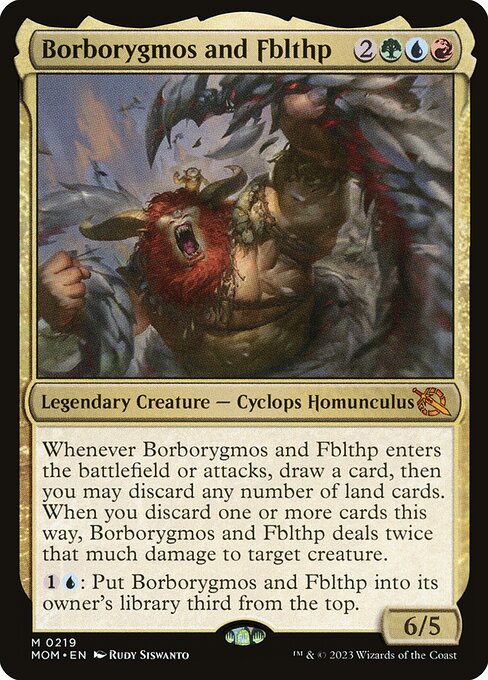
Similar Commanders
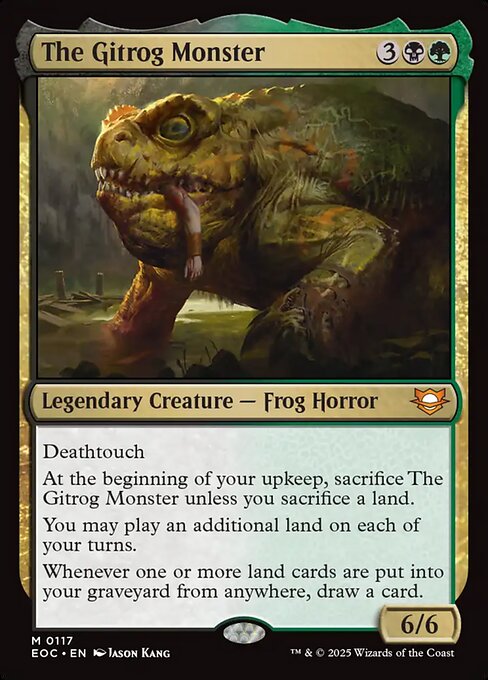
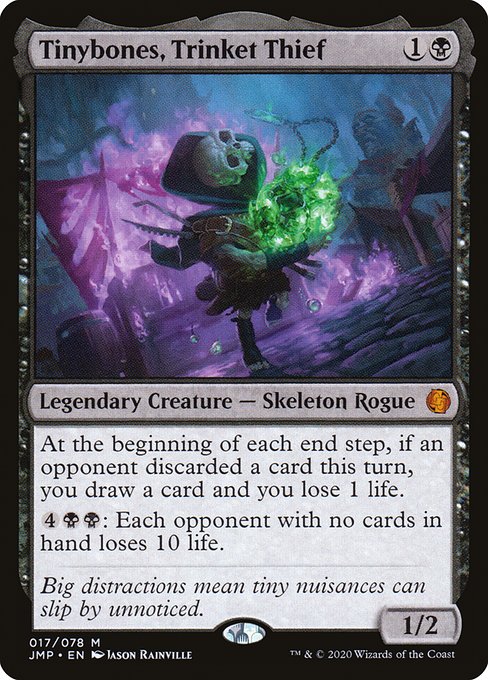
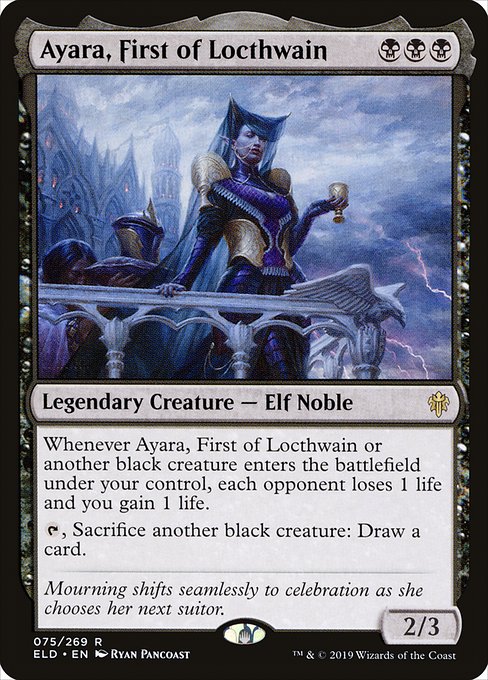
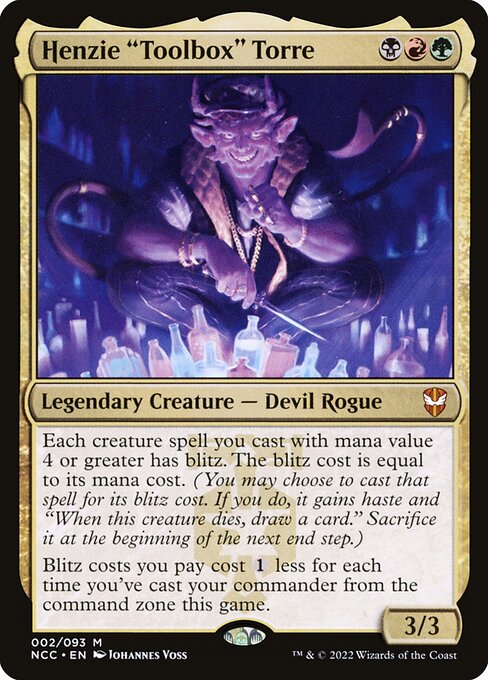
Popular Commanders
| # | Commander | Identity | Strategy | Price |
|---|---|---|---|---|
| 01 | 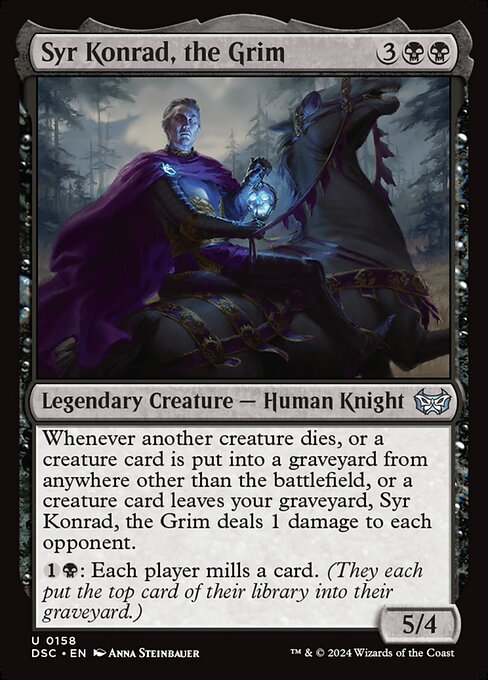 Syr Konrad, the Grim Syr Konrad, the Grim | | Mill | $1.76 |
| 02 | 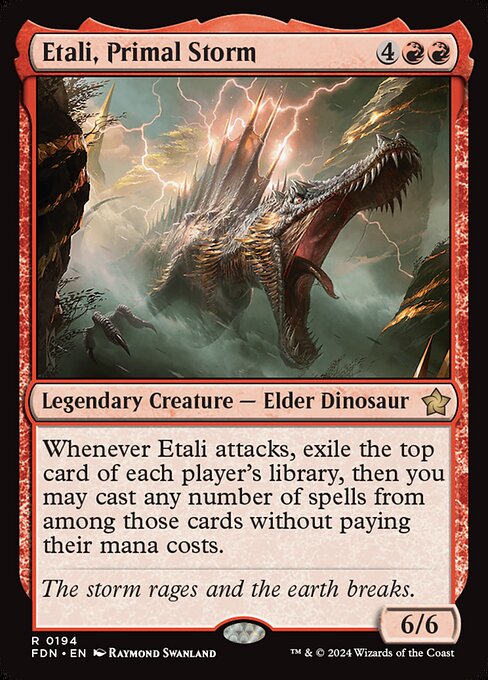 Etali, Primal Storm Etali, Primal Storm | | Extra Combats | $0.66 |
| 03 | 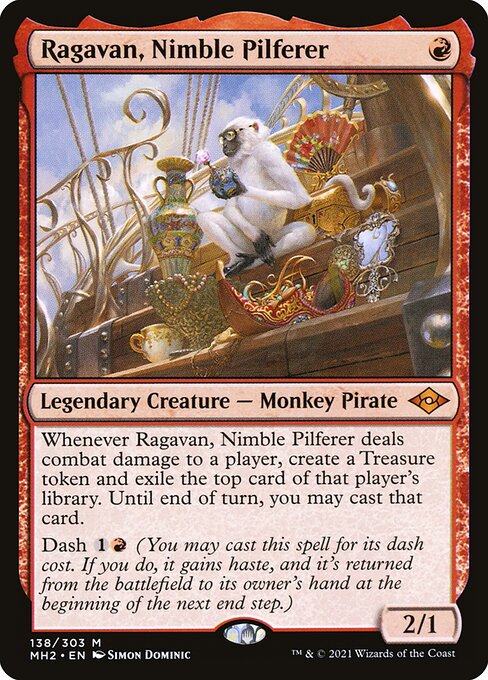 Ragavan, Nimble Pilferer Ragavan, Nimble Pilferer | | Treasure | $41.73 |
| 04 | 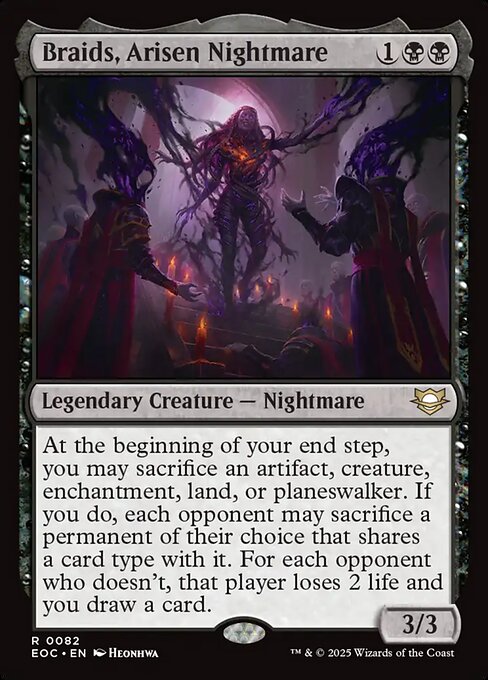 Braids, Arisen Nightmare Braids, Arisen Nightmare | | Aristocrats | $4.61 |
| 05 | 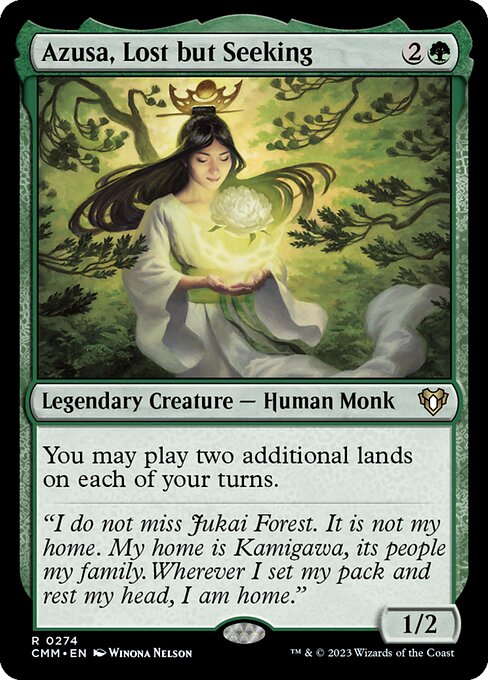 Azusa, Lost but Seeking Azusa, Lost but Seeking | | Lands Matter | $13.07 |
| 06 | 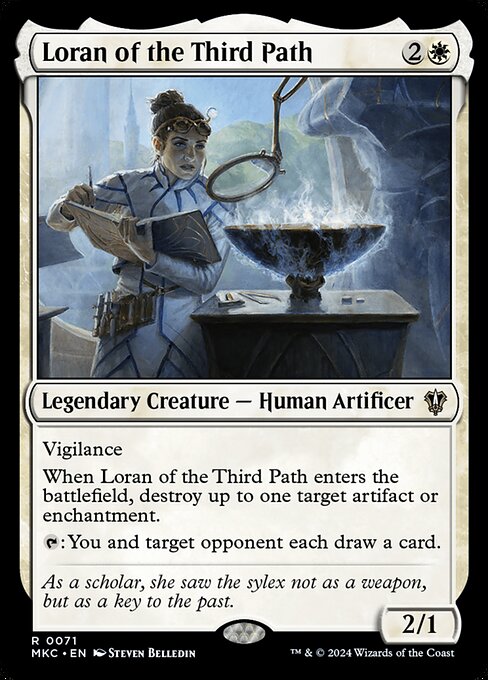 Loran of the Third Path Loran of the Third Path |  | Group Hug | $7.26 |
| 07 | 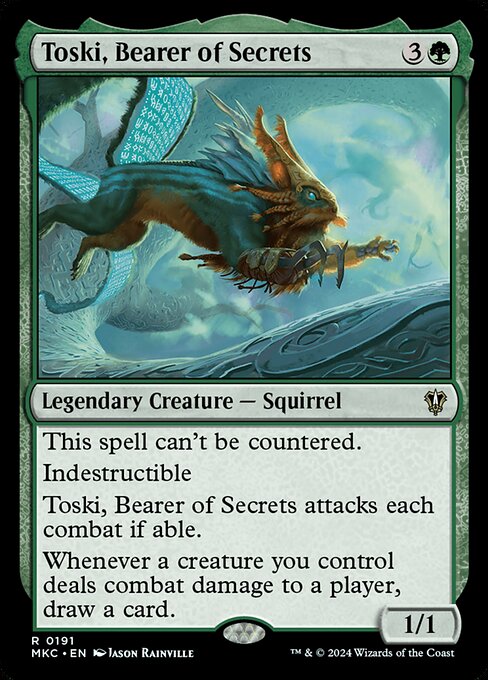 Toski, Bearer of Secrets Toski, Bearer of Secrets | | Equipment | $7.99 |
| 08 | 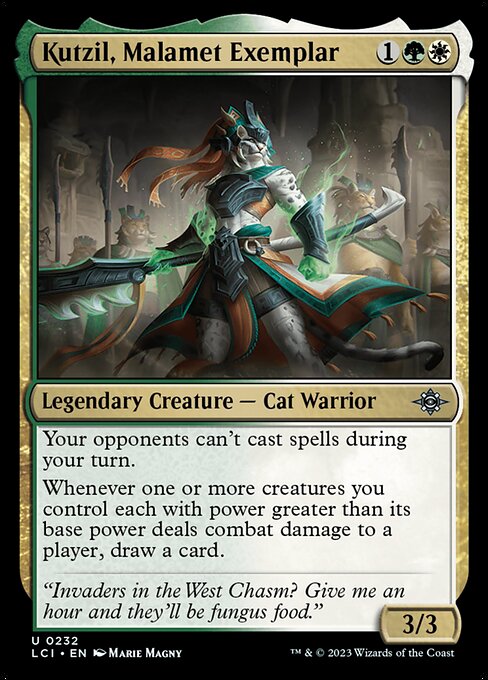 Kutzil, Malamet Exemplar Kutzil, Malamet Exemplar | | +1/+1 Counters | $2.70 |