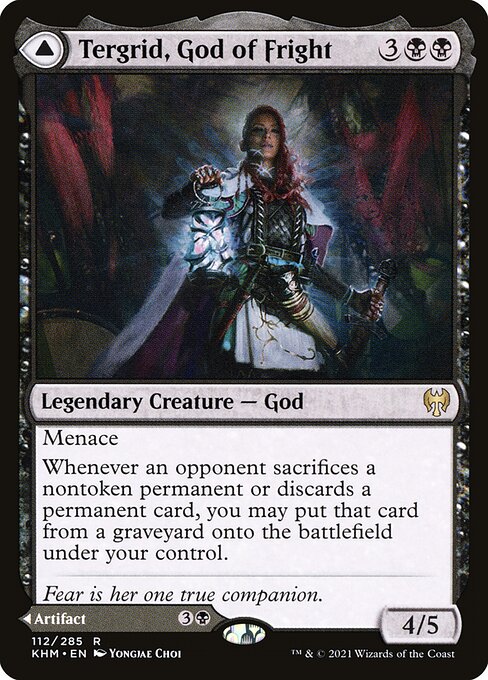
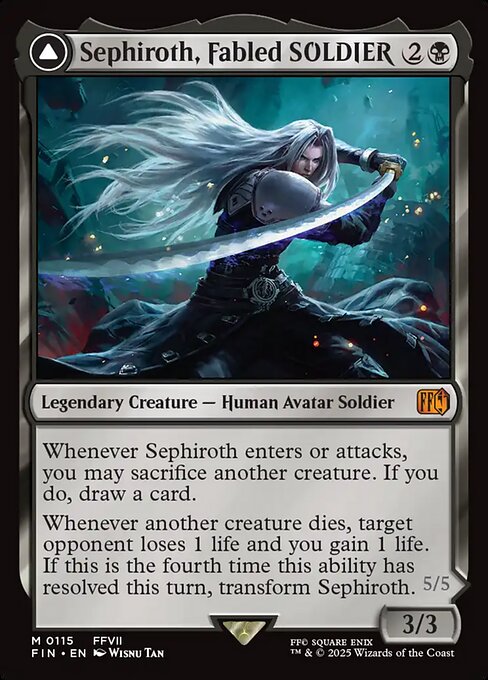
Sacrifice decks are for players who want their own permanents to be flexible resources rather than pieces to protect at all costs. This strategy wants to feed creatures, artifacts, and tokens into a sacrifice outlet, using fodder makers, recursion, and sacrifice commanders, to win through mana loops, edicts, drain payoffs, or a steady resource lead. Unlike Aristocrats, it is broader than death trigger drain, and unlike Tokens it values bodies mainly as expendable fuel. The best sacrifice commanders keep the engine moving even when opponents point removal at your board.

Mono-black supplies free outlets, edicts, recursion, and drain payoffs for sacrifice engines.

Golgari adds green token production and recursion to reuse creatures after they die.

Rakdos uses Treasure, impulse draw, and damage payoffs to convert sacrifices into pressure.
Jund combines fodder, outlets, recursion, and payoffs for commanders that reward repeated deaths.
Sacrifice decks excel through a specific playstyle and win conditions. Here's how they work:
✓ You assemble cheap fodder producers and at least one free sacrifice outlet.
✓ You feed your own permanents into outlets for mana cards removal or triggers.
✓ You sacrifice targeted creatures in response so removal produces value for you.
✓ You rebuild after sweepers with recursion and token generation.
✓ You convert the resource lead into drain loops edicts or a decisive attack.
Free outlet that turns creatures into mana for loops and larger turns.
Converts creatures into colored mana for token and recursion loops.
One-mana free outlet that scries while letting creatures dodge removal.
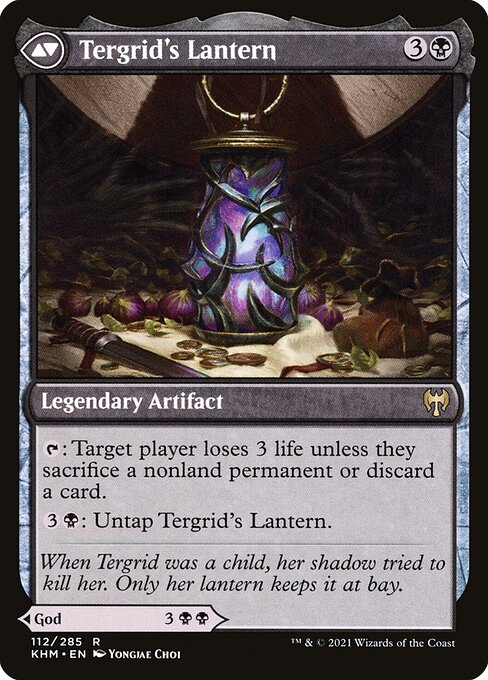
Turns your sacrifices into edicts that pressure every opponent's board.
Makes Treasure when your creatures die, keeping sacrifice chains funded.
Sacrifice is approachable because your creatures dying is part of the plan, so removal and sweepers hurt less than they do in many creature decks. It rewards players who enjoy instant-speed decisions and converting small resources into cards, mana, or removal. Budget versions work well, though premium altar effects can raise the price.
Aristocrats focuses on death trigger drain; Sacrifice uses more permanent types as resources.
Tokens makes bodies for width; Sacrifice spends those bodies as fuel.
Sacrifice fills the graveyard; Graveyard decks make that zone the engine.
Reanimator cheats big creatures back; Sacrifice recurs small pieces and fodder.
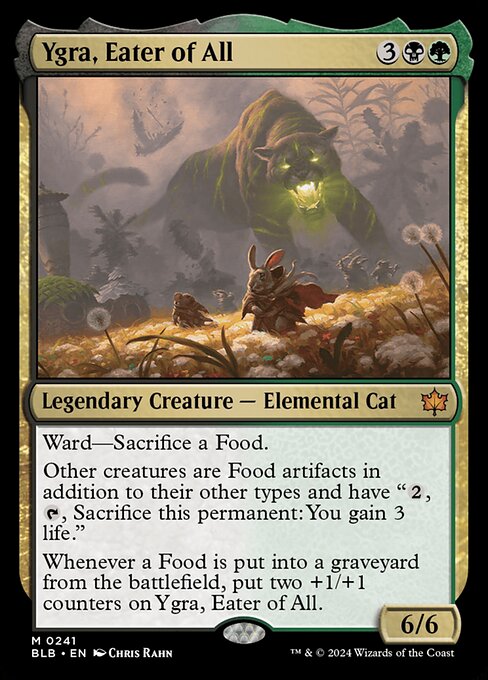
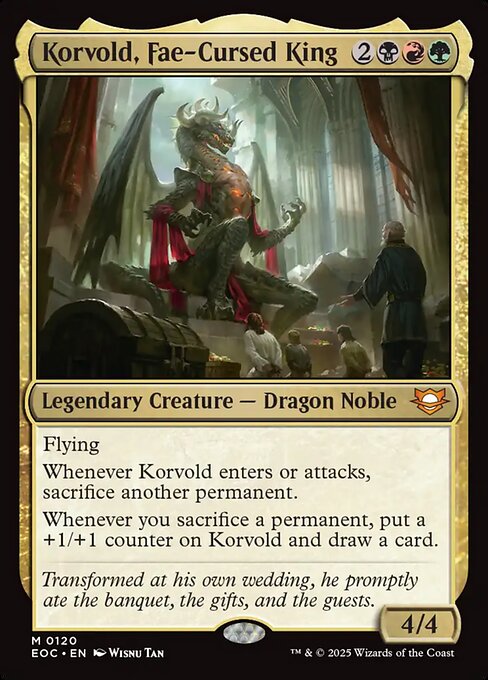
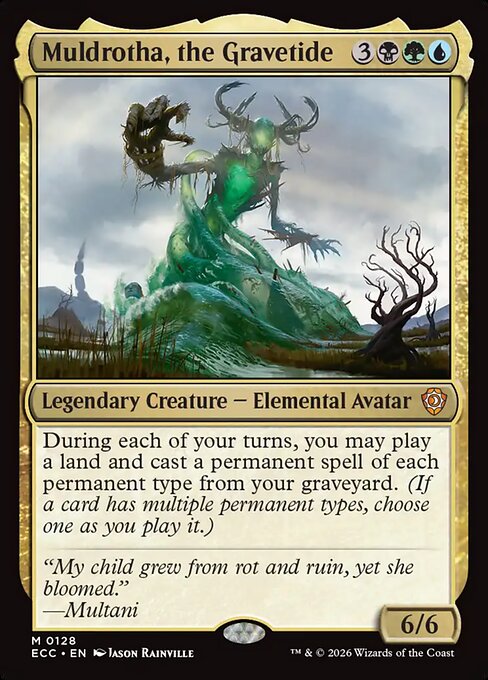
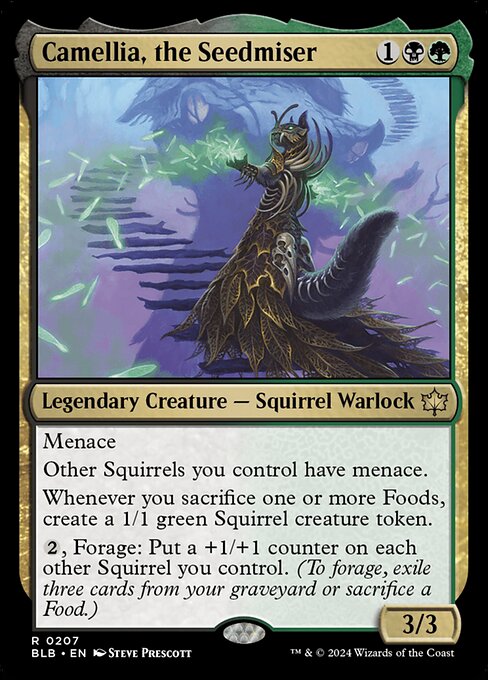
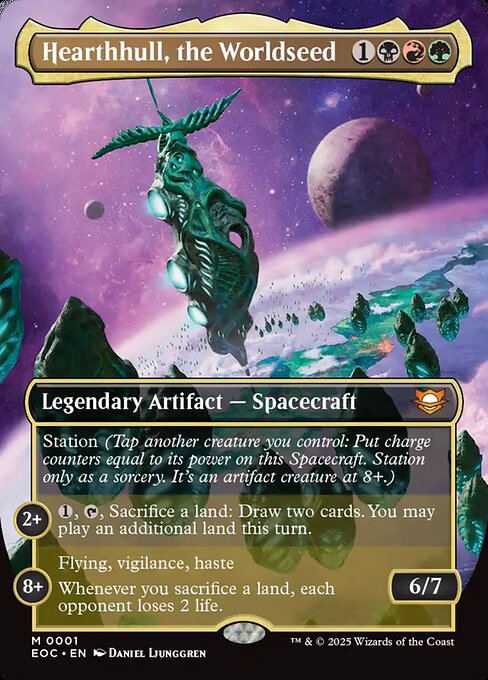
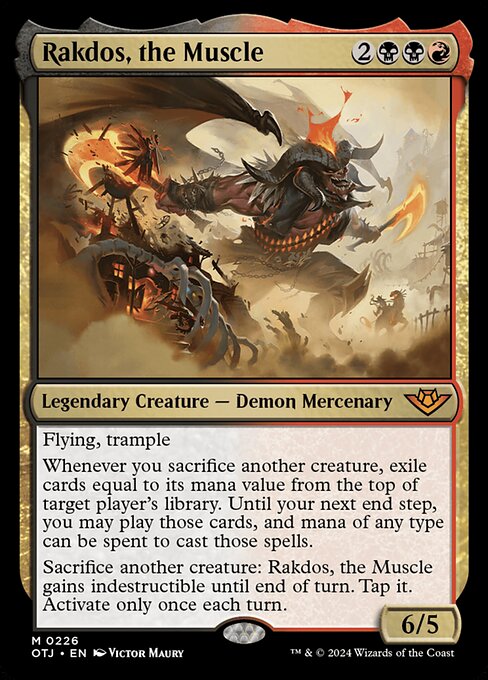

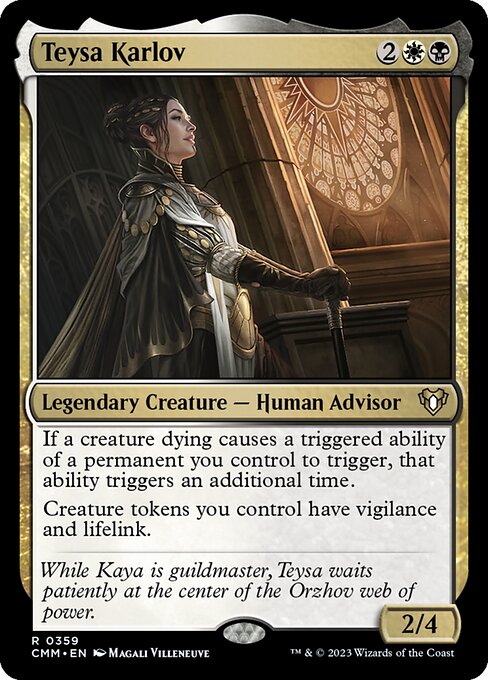
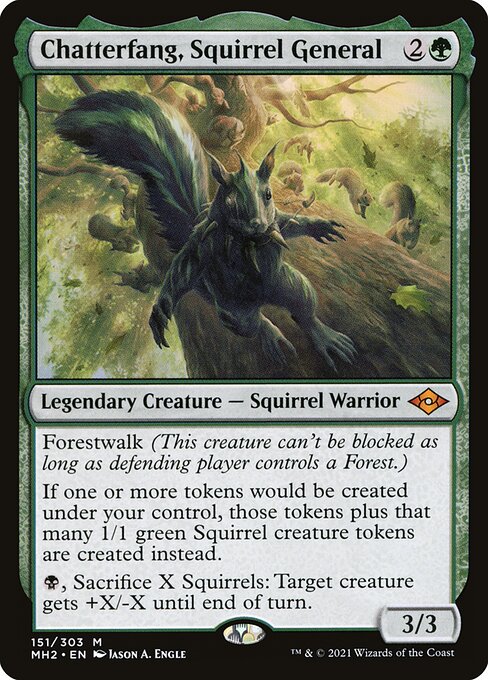
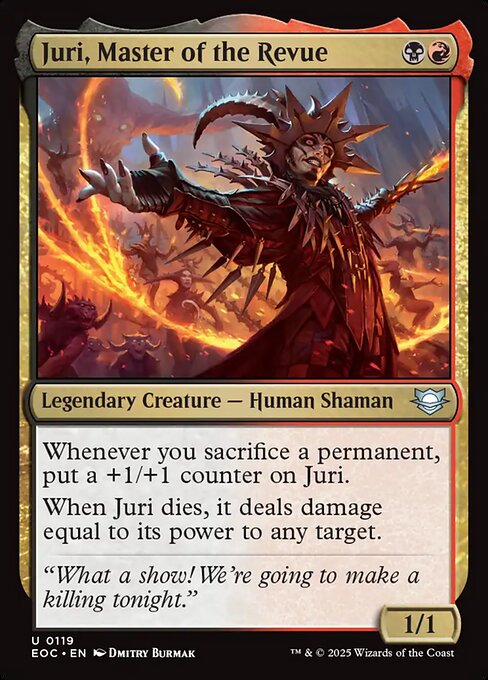
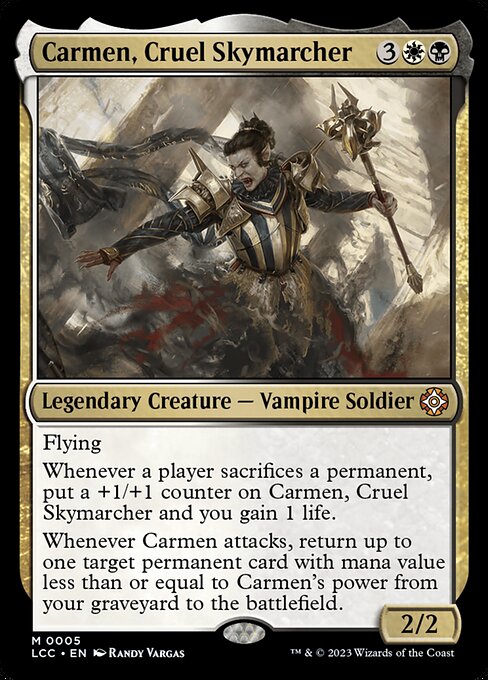
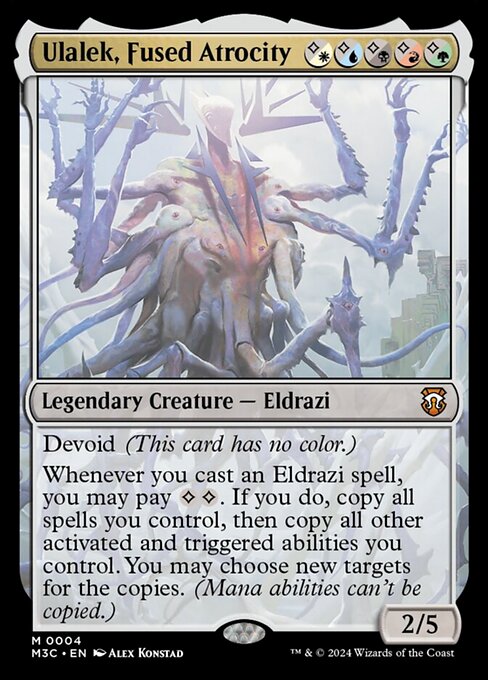
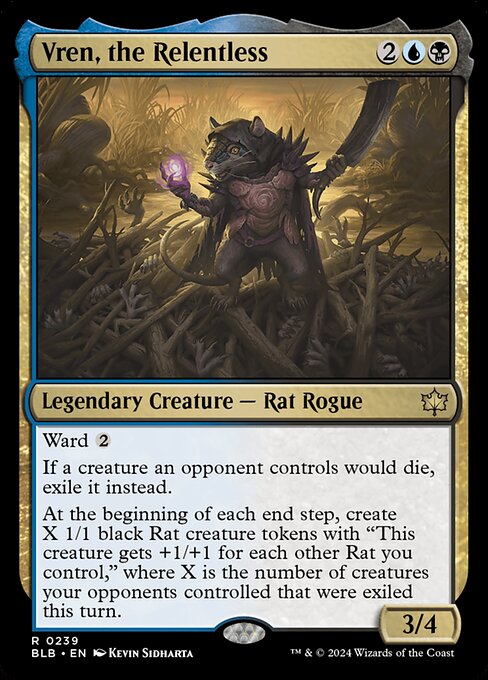

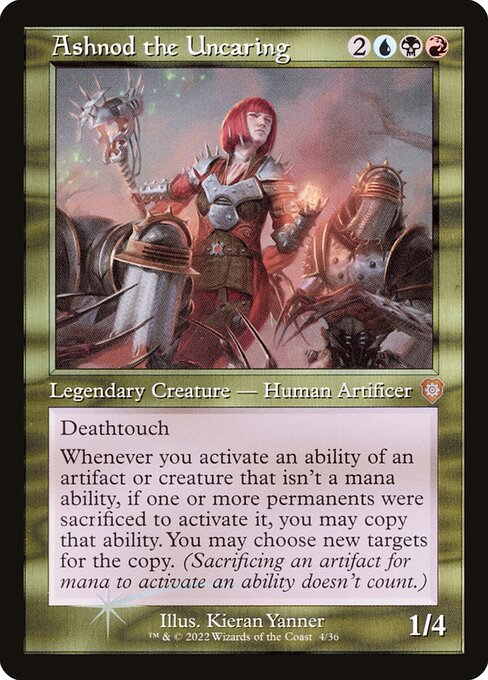
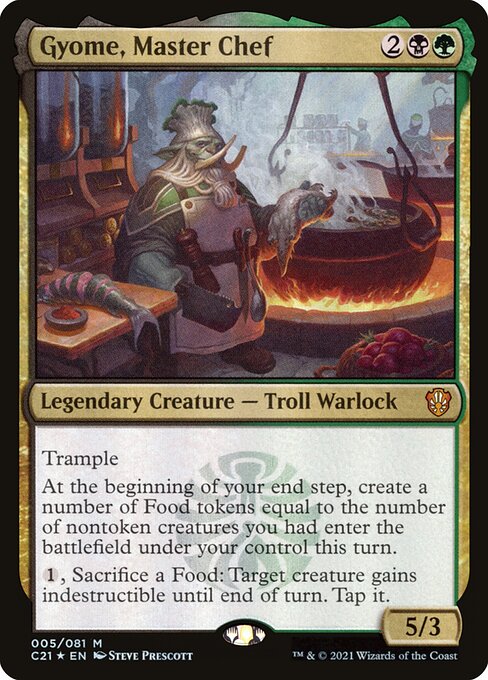
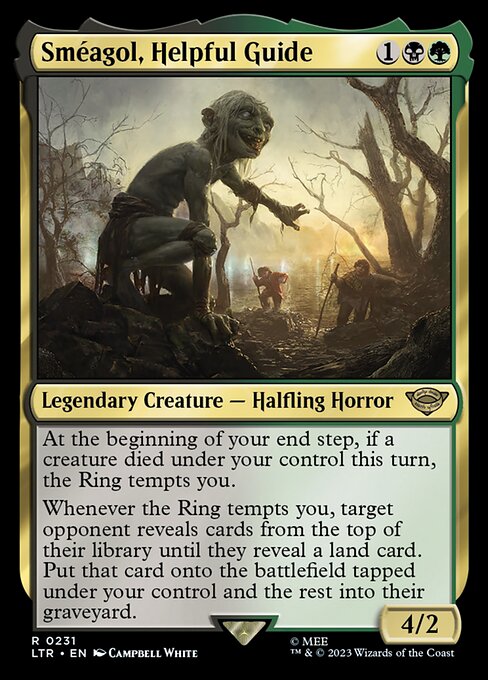
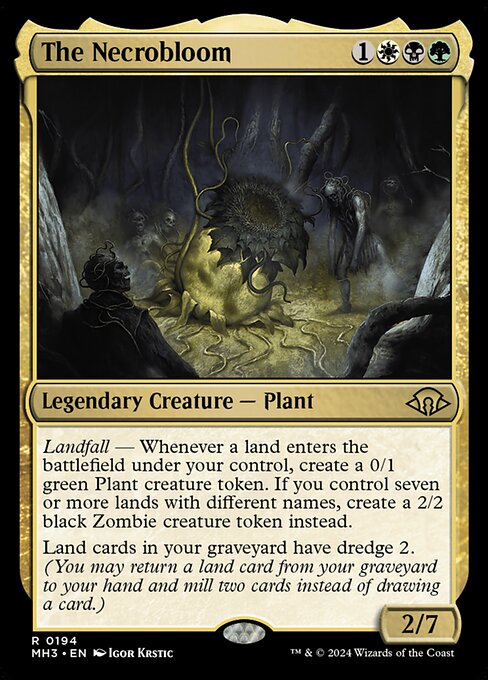
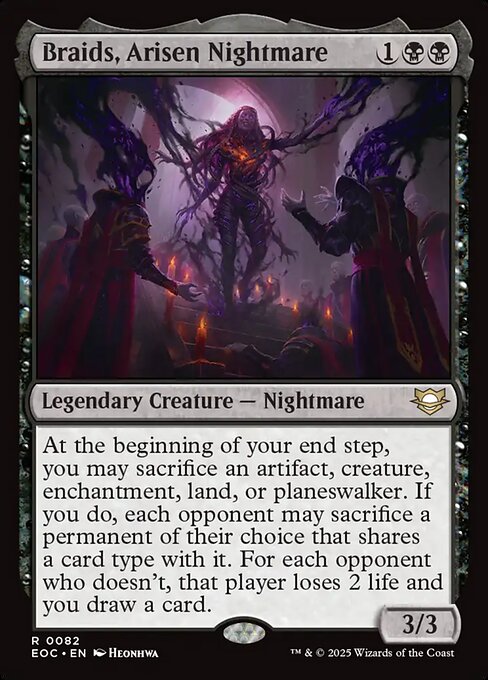
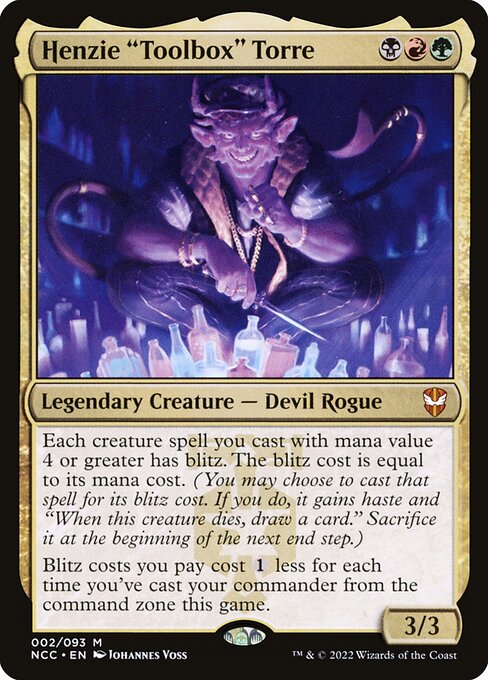
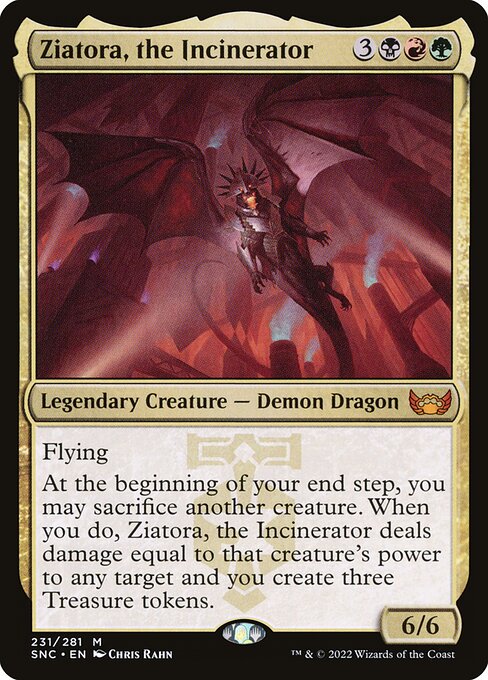
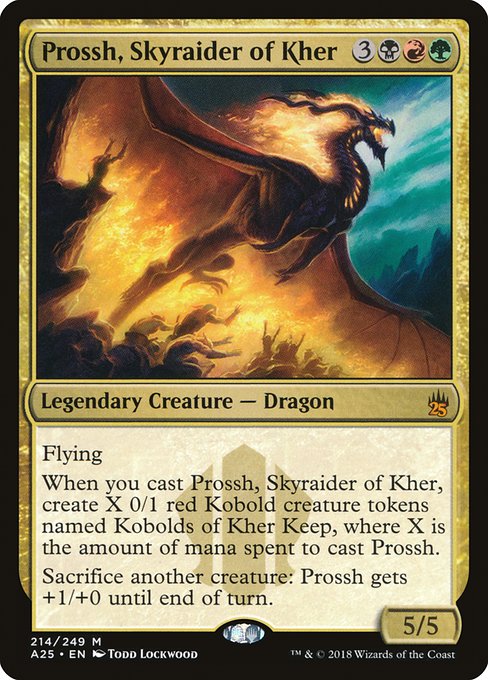
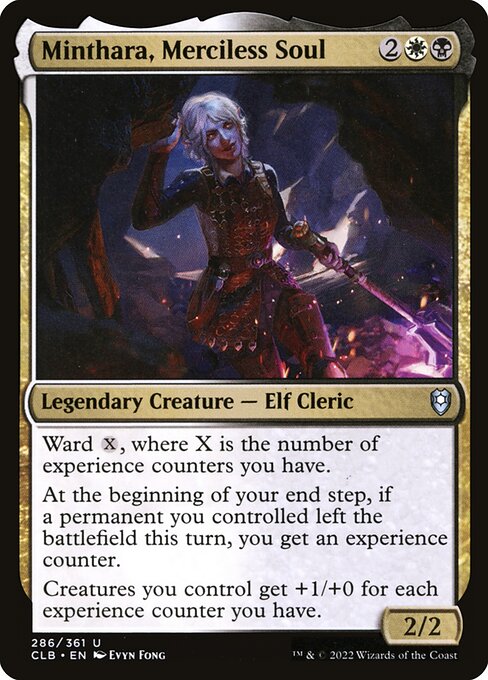
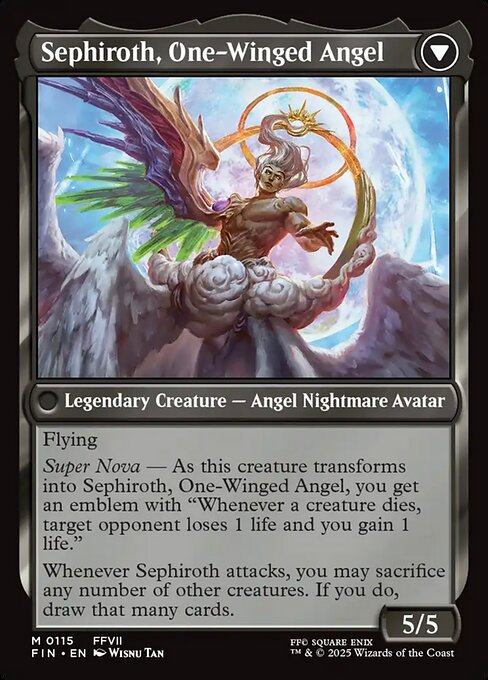
The best sacrifice commanders typically provide consistent access to the strategy's core mechanics. Look for commanders that you assemble cheap fodder producers and at least one free sacrifice outlet.
Sacrifice decks win through a combination of Ashnod's Altar, Phyrexian Altar, Viscera Seer, and other synergistic pieces that sacrifice decks are for players who want their own permanents to be flexible resources rather than pieces to protect at all costs.
Mono-black supplies free outlets, edicts, recursion, and drain payoffs for sacrifice engines. However, Golgari adds green token production and recursion to reuse creatures after they die.
Graveyard hate like Rest in Peace can shut off recursion and make sacrifices cost real cards. The deck can struggle against fast combo because its value plan usually needs several turns. Losing key outlets or payoff enchantments can stall the engine until replacements arrive. Token-light draws leave too little fodder, making early sacrifices costly.