Mill decks are for players who want to pressure a different resource: the cards left in each library. This strategy wants to put cards from libraries into graveyards, using repeatable mill commanders, doublers, and self-mill engines, to win by emptying opponents' decks or by converting stocked graveyards into value. Unlike Reanimator, Mill is not mainly trying to cheat one creature into play, and unlike Graveyard value it treats milling as the weapon or fuel source rather than the recursion engine itself. The best mill decks EDH players build respect the multiplayer math by multiplying output, protecting engines, or turning every milled card into another resource.

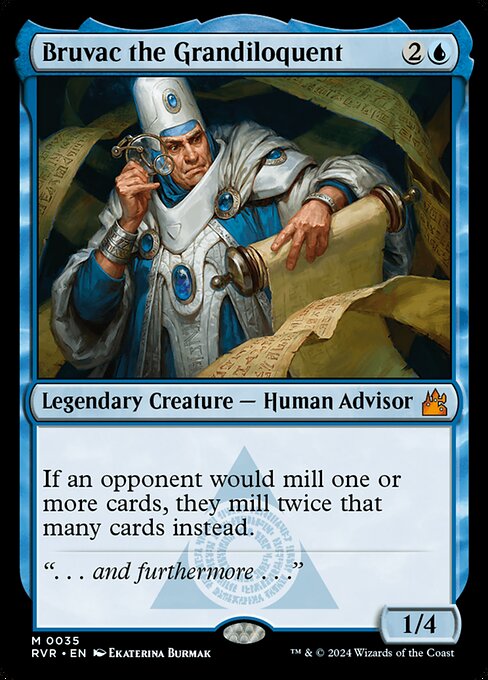
Mono-blue supplies mill engines, Bruvac-style doublers, card draw, and counterspells for protection.

Dimir adds black removal, graveyard theft, reanimation, and payoffs for cards milled.

Sultai turns self-mill into recursion, delve, land engines, and green-black graveyard value.
Mill decks excel through a specific playstyle and win conditions. Here's how they work:
✓ You decide whether milling opponents is the win condition or whether self-mill fuels your own engine.
✓ You deploy repeatable mill effects that chip away at libraries across turn cycles.
✓ You add doublers so each spell or trigger removes a meaningful number of cards.
✓ You protect the engine with interaction while opponents race your library clock.
✓ You convert stocked graveyards into recursion theft drain or reanimation value.
✓ You close by emptying libraries or cashing in the graveyards you filled.
Doubles mill output so repeatable engines matter against multiple Commander libraries.
Scales from early mill to a late kicked spell that can finish with a doubler.
Mills every player through normal untaps, feeding both opponent pressure and self-mill plans.
Turns one combat connection into half a library, or more with mill doublers.
Free sacrifice outlet that converts creature size into targeted mill or self-mill.
Mill suits players who enjoy attacking a resource most decks do not defend directly. It has a higher planning requirement in Commander because three libraries are a lot of cards, so dedicated engines matter more than incidental mill. Budget builds are realistic when they focus on repeatable effects, self-mill value, and a few strong finishers.
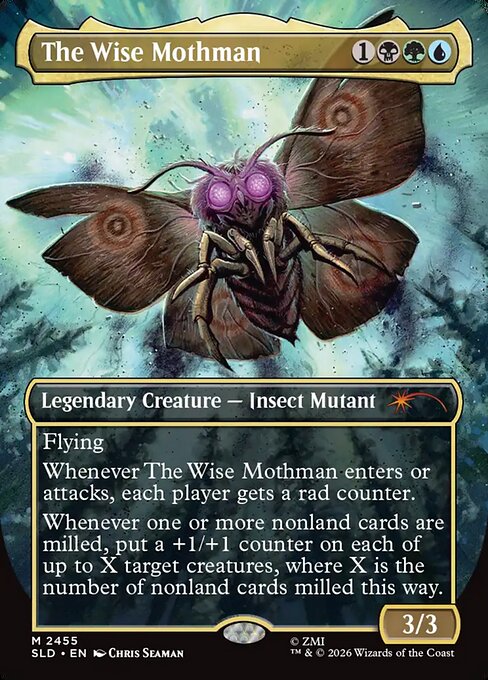
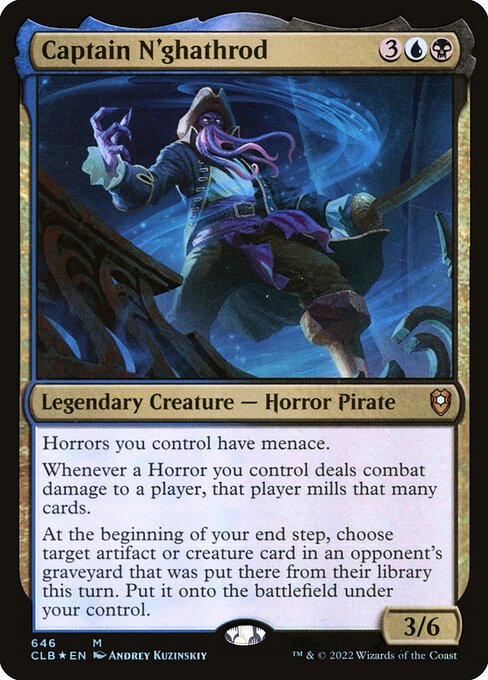
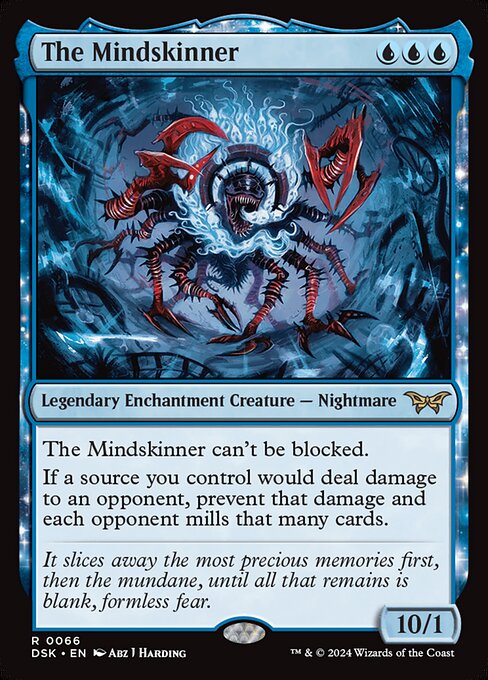
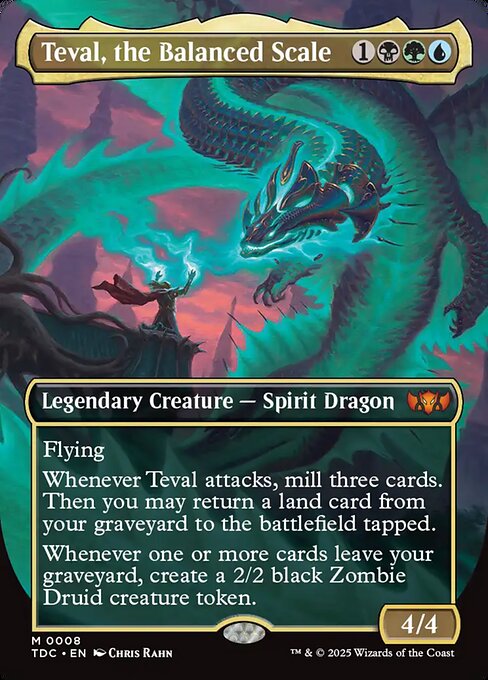
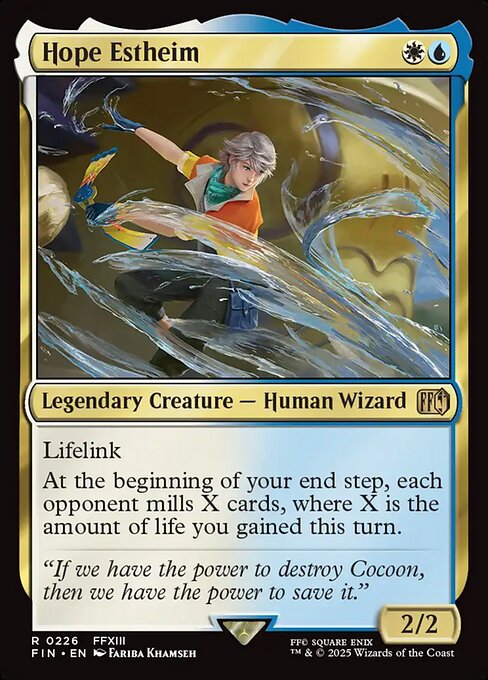
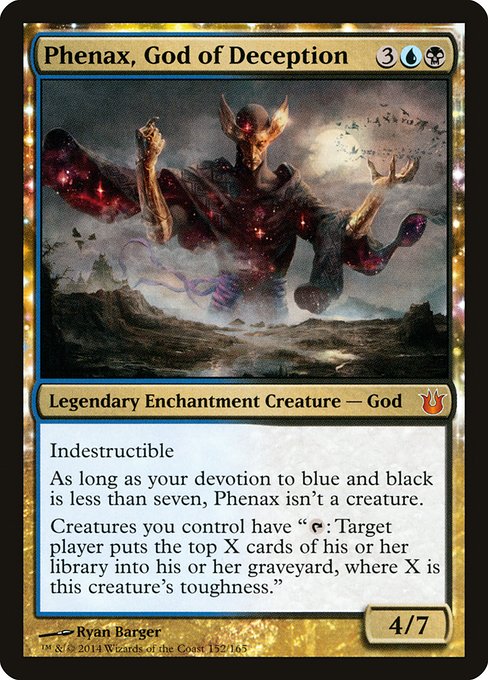
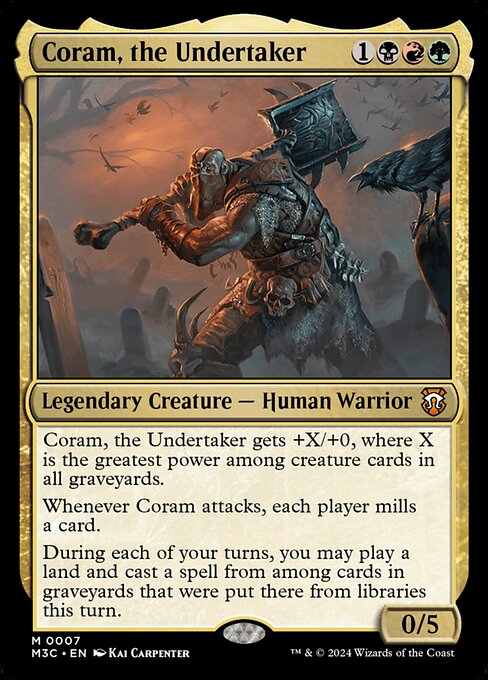
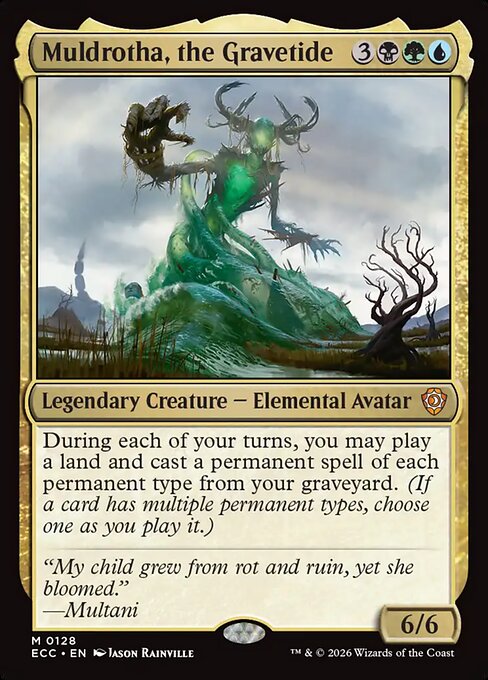
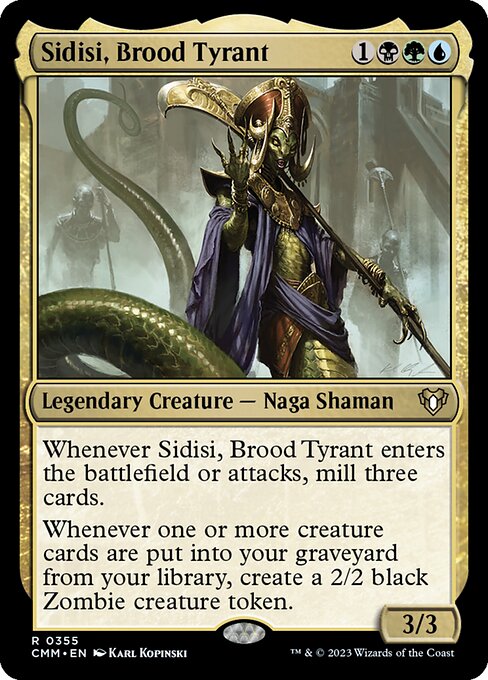
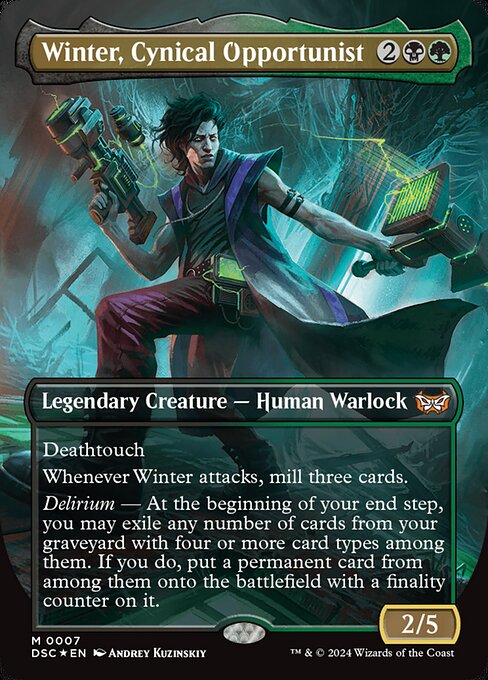
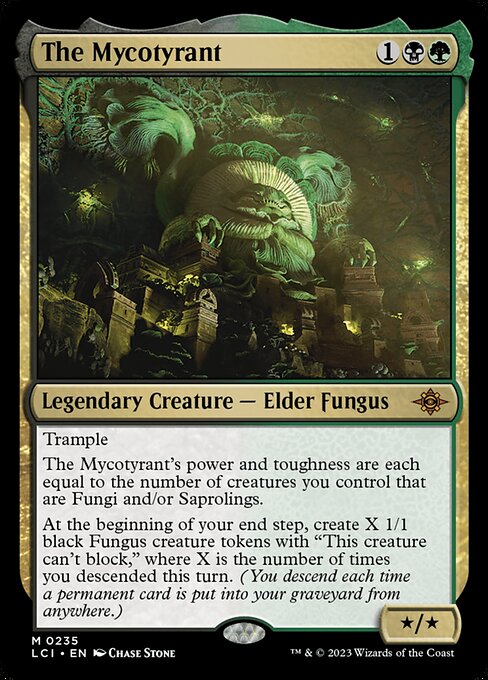
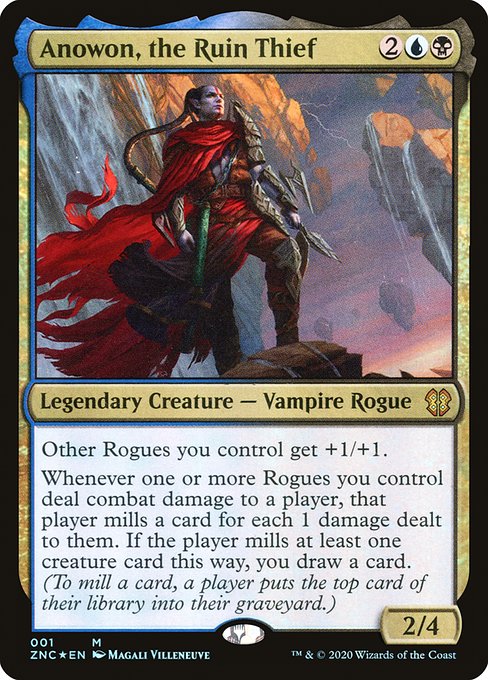
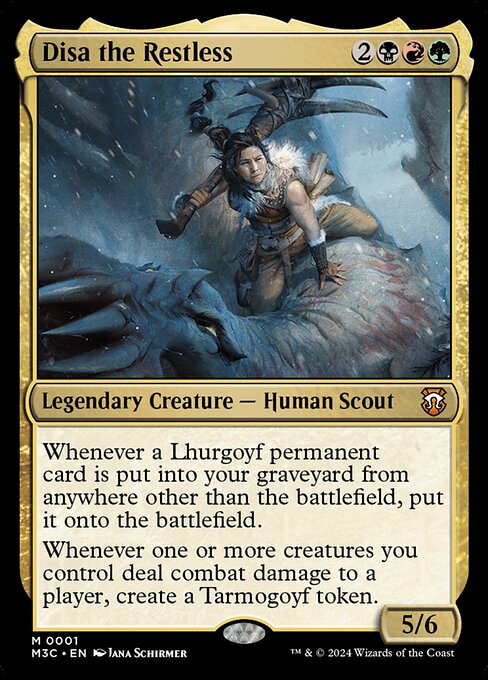
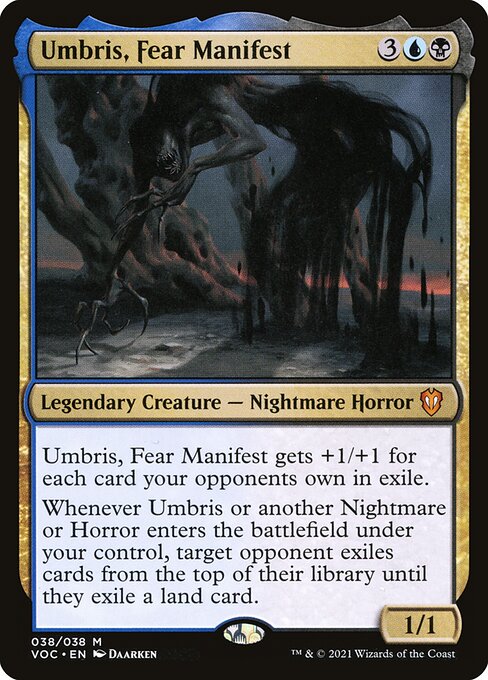
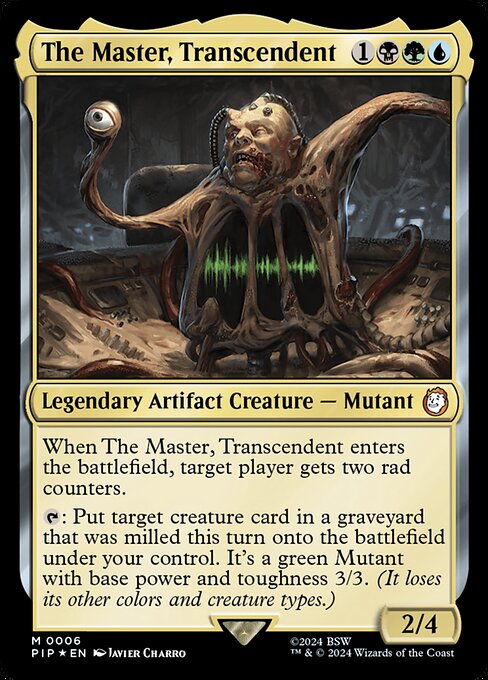
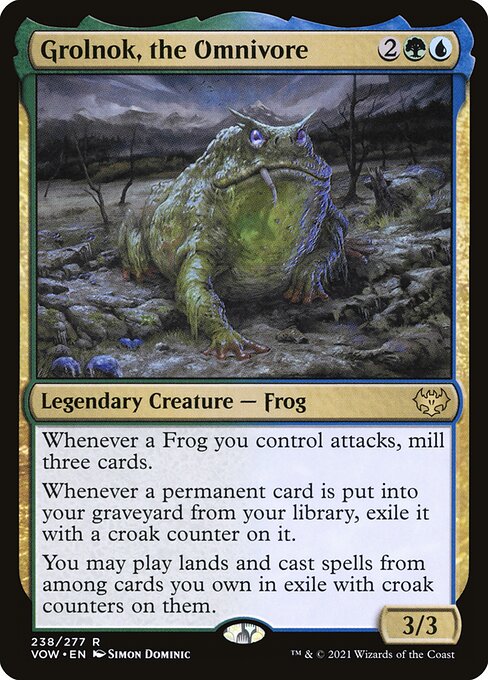
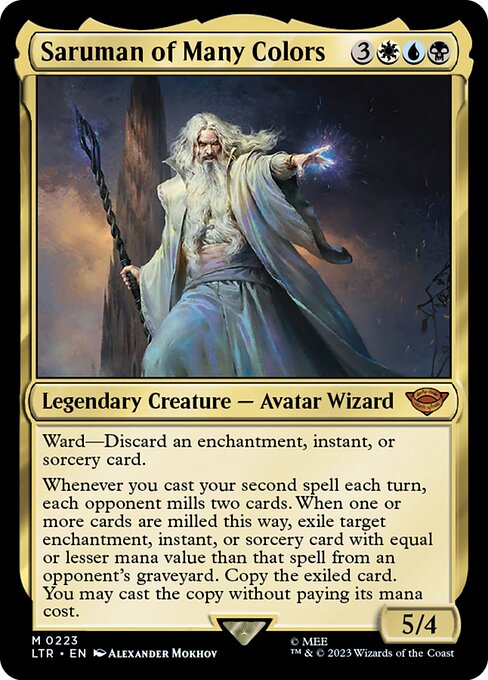
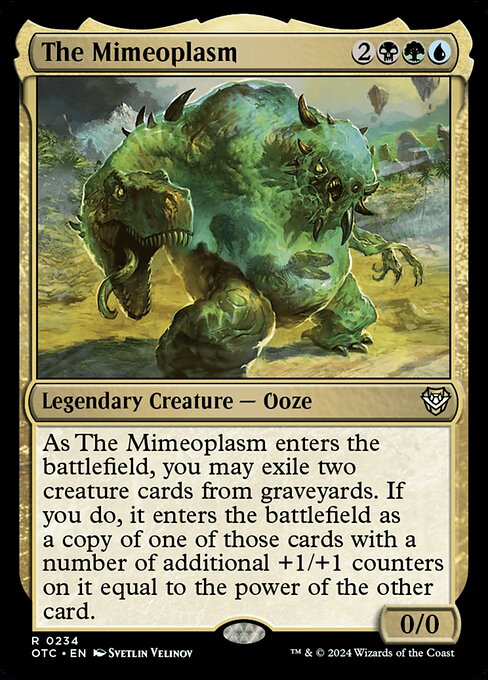
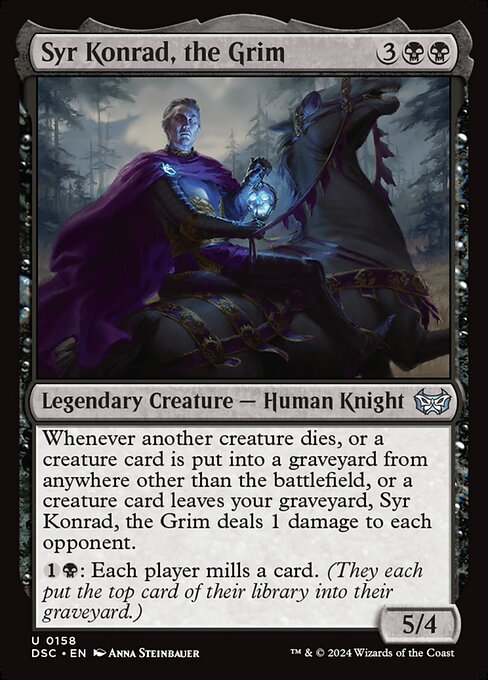
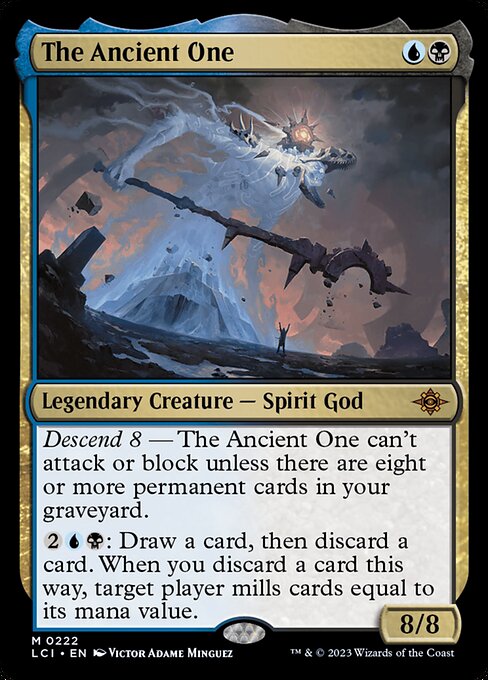
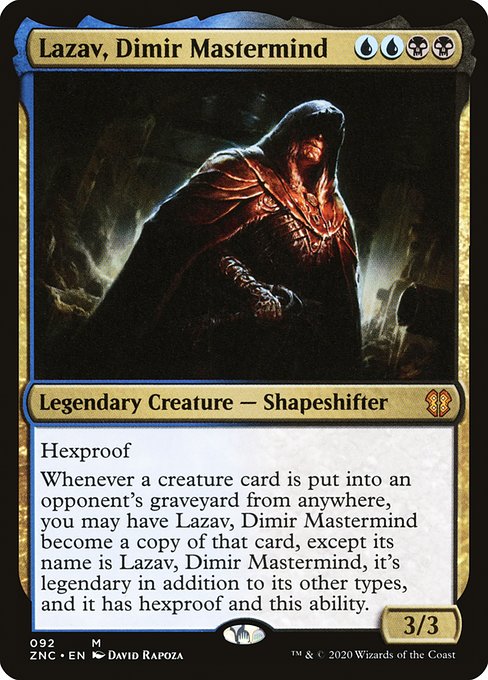
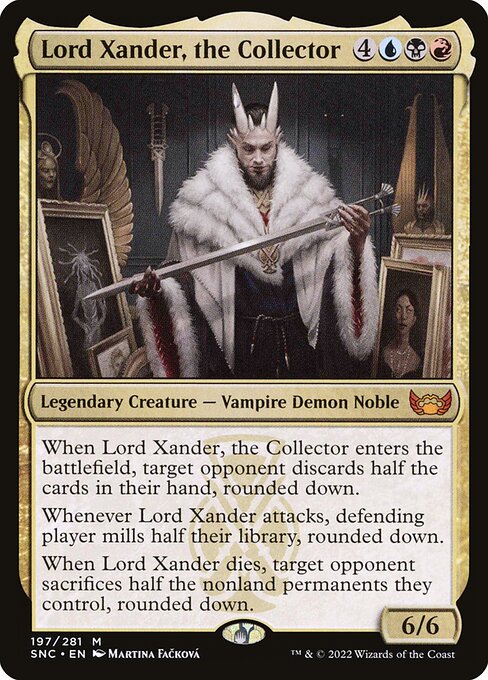
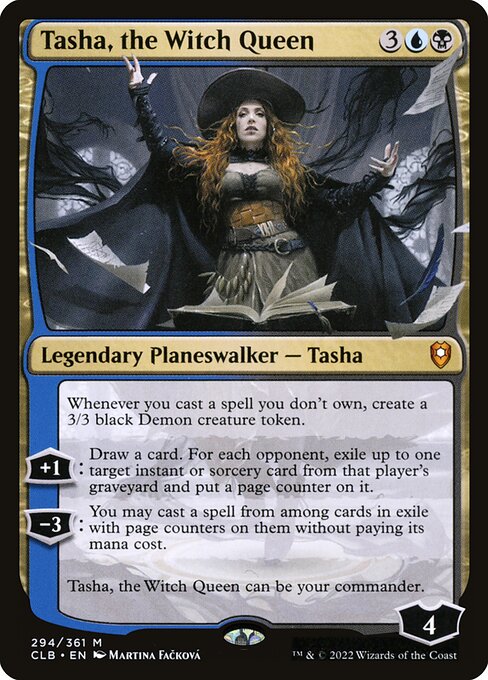
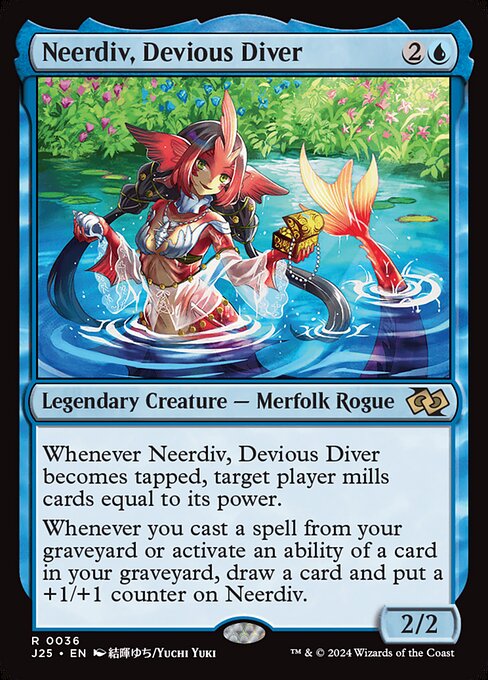
The best mill commanders typically provide consistent access to the strategy's core mechanics. Look for commanders that you decide whether milling opponents is the win condition or whether self-mill fuels your own engine.
Mill decks win through a combination of Bruvac the Grandiloquent, Maddening Cacophony, Mesmeric Orb, and other synergistic pieces that mill decks are for players who want to pressure a different resource: the cards left in each library.
Mono-blue supplies mill engines, Bruvac-style doublers, card draw, and counterspells for protection. However, Dimir adds black removal, graveyard theft, reanimation, and payoffs for cards milled.
Milling three 99-card libraries can be slow, and faster tables may win before the clock matters. Shuffle-back effects can undo large amounts of mill progress with one graveyard trigger. Mill can help Reanimator and Graveyard opponents by putting their best cards where they want them. Graveyard hate can shut off self-mill value plans and many payoffs tied to milled cards.