Control decks are for players who enjoy deciding which threats matter, spending answers carefully, and winning after the table has slowed down. This strategy wants to stabilize the game, using control commanders, counterspells, removal, sweepers, and card-draw engines, to win through a protected finisher, planeswalker, combo finish, or long-term card advantage. Unlike Stax, Control answers threats on the stack or battlefield instead of locking everyone out of resources. The best control decks EDH players build accept that multiplayer control cannot counter everything, so they lean on sweepers and engines that trade across several opponents.


Azorius combines blue counters and draw with white sweepers, removal, and taxes.

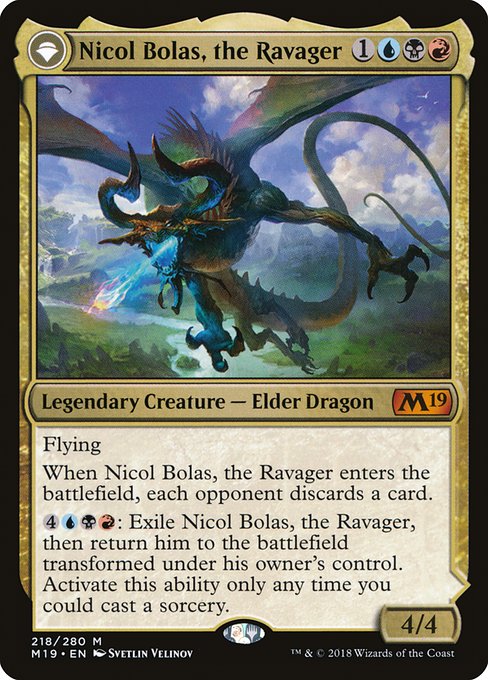
Dimir trades white sweepers for black removal, discard, tutors, and graveyard value.
Esper combines sweepers, counterspells, removal, and finishers across three answer colors.

Izzet plays spell-dense control with counters, red sweepers, burn, and impulse draw.
Control decks excel through a specific playstyle and win conditions. Here's how they work:
✓ You hold up mana and answer the threats that actually matter.
✓ You reset crowded boards with sweepers and rebuild through card draw.
✓ You trade one for one sparingly because three opponents can exhaust your answers.
✓ You accumulate card advantage until opponents run low on resources.
✓ You close with a protected finisher planeswalker combo or long game engine.
Instant-speed overloaded bounce that resets opposing boards before a key turn.
Turns opponents' spells into taxes or cards for your answer engine.
One-mana exile removal that answers many creature threats efficiently.
Uncounterable sweeper that clears creature boards through countermagic.
Draws cards, answers permanents, and supplies a standalone finisher.
Control rewards patience, threat assessment, and knowledge of common Commander win attempts, so its skill floor is higher than most strategies. Budget builds are possible because many sweepers and removal spells are cheap, though premium counters and draw engines add up. It suits players who enjoy reacting, reading the table, and winning after the game slows down.
Control draws to keep answering; Card Draw makes drawing the main engine.
Blink reuses enter triggers for control effects instead of relying on instants.
Mill also grinds long games, but it attacks libraries as the win condition.
Spellslinger turns spells into proactive triggers; Control spends spells as answers.
Combo builds around pieces first; Control may use combo after stabilizing.
Control answers threats directly; Stax taxes resources to stop actions.
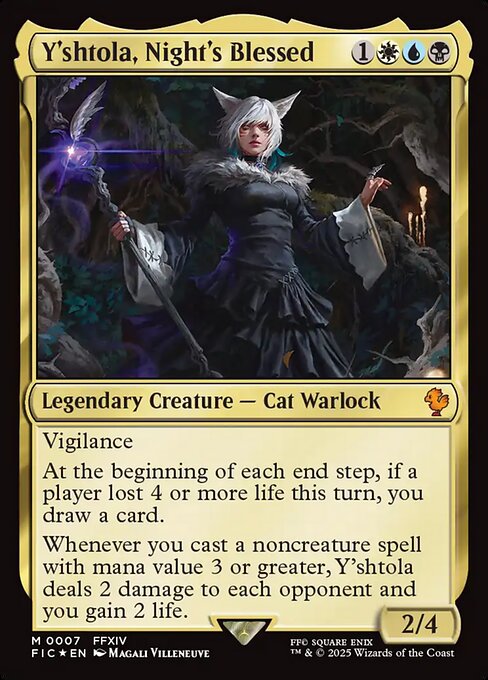
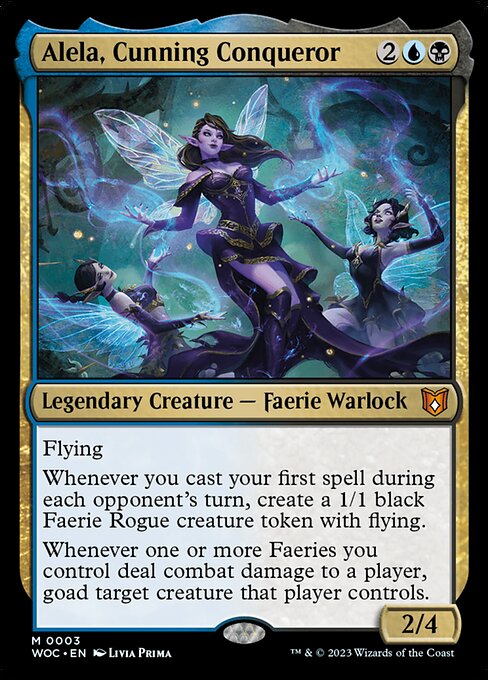
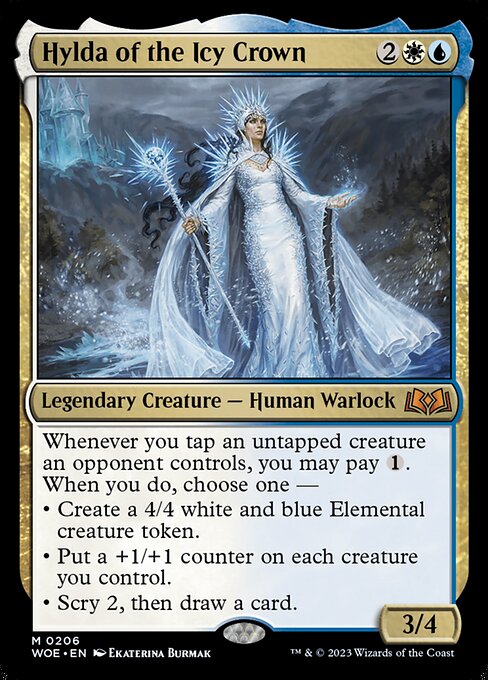
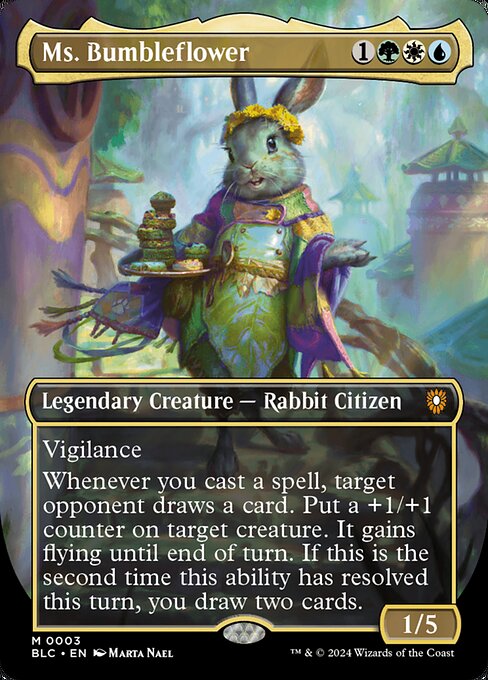
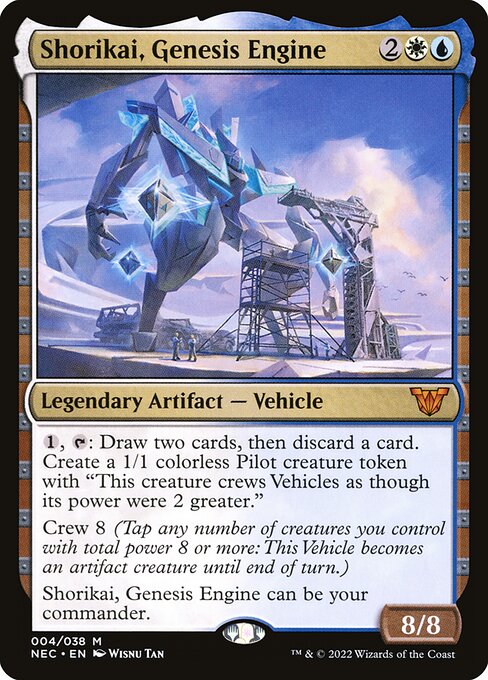
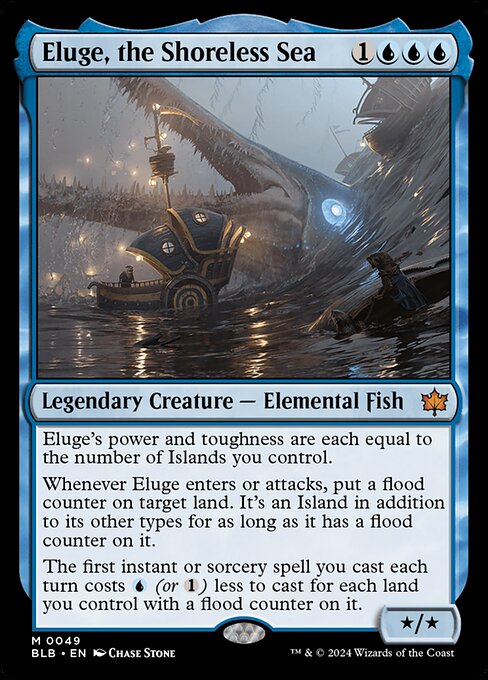
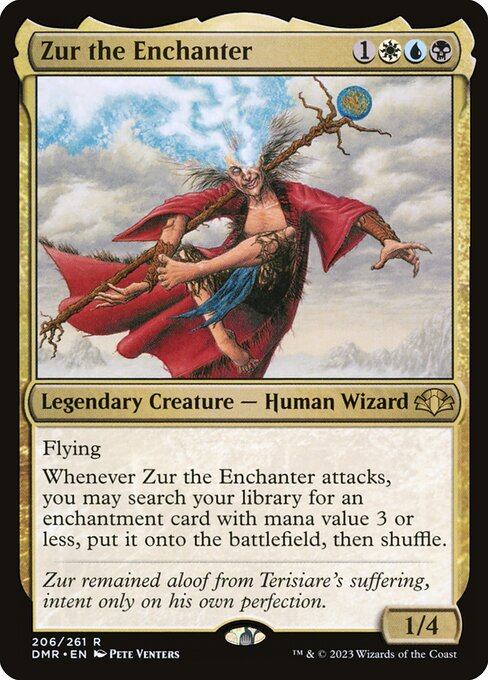
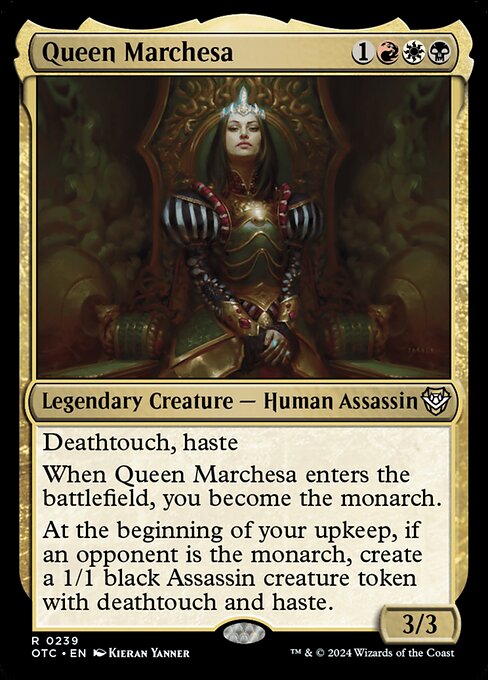
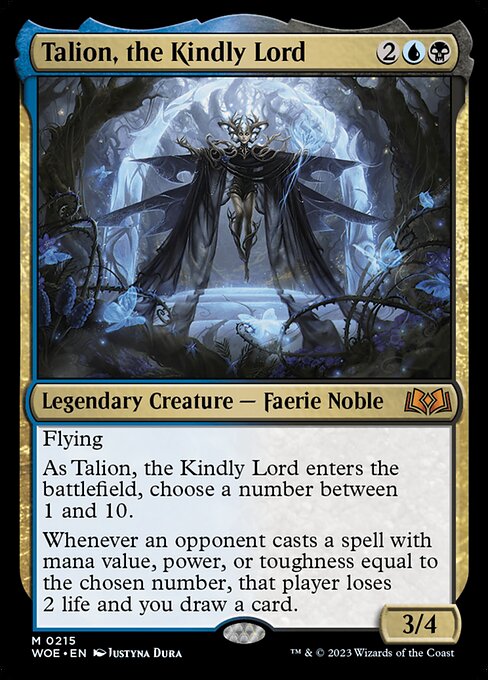
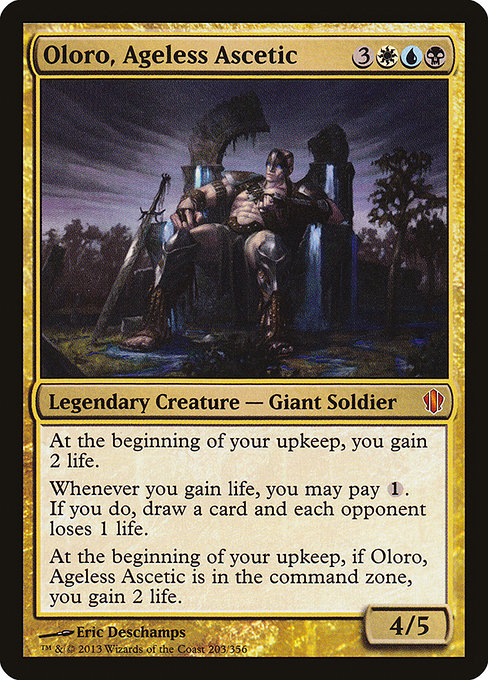
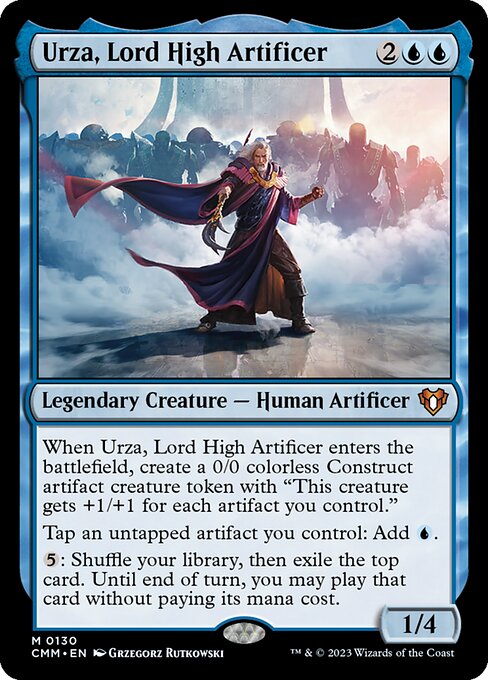
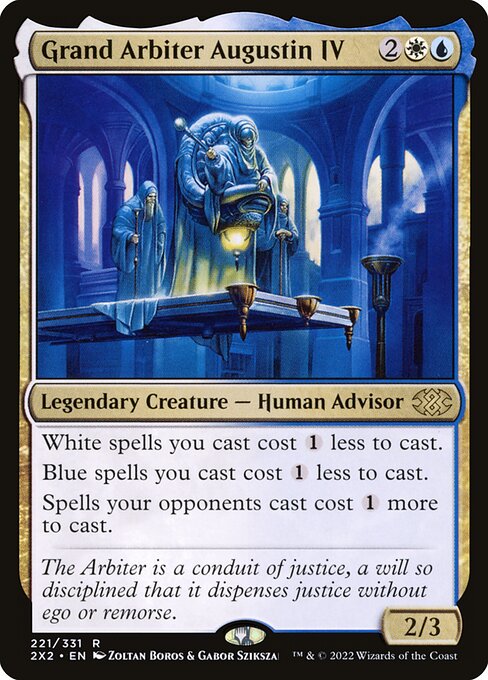
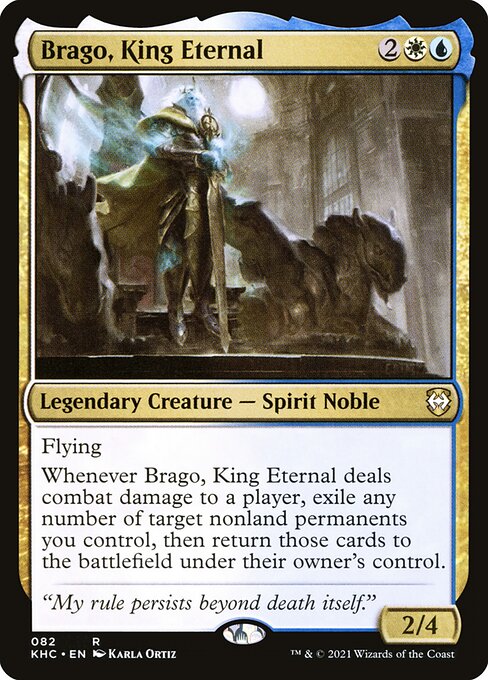
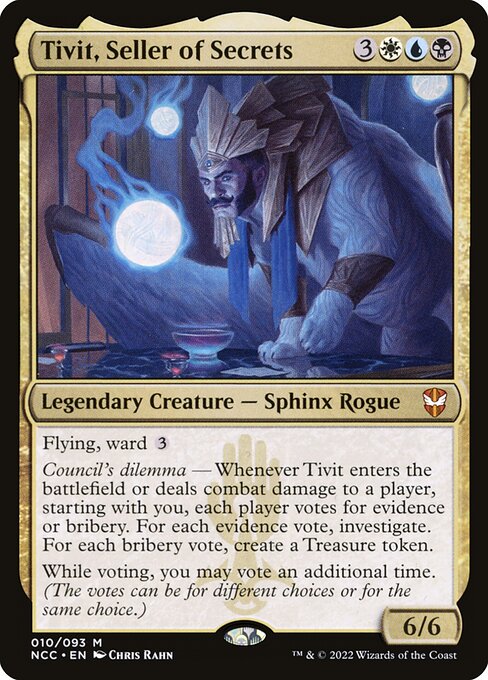
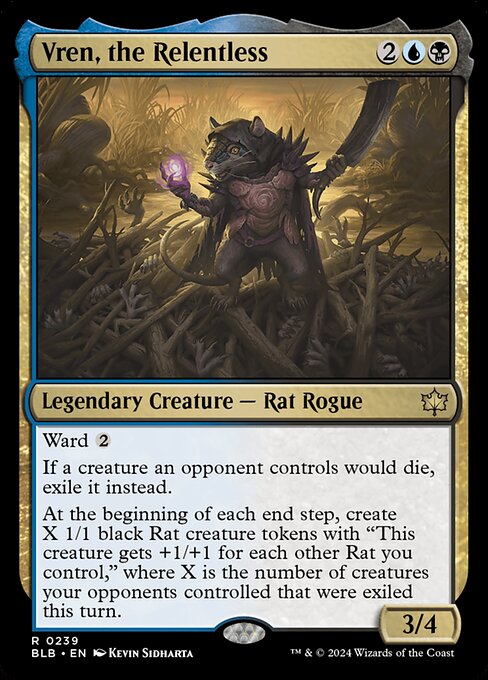
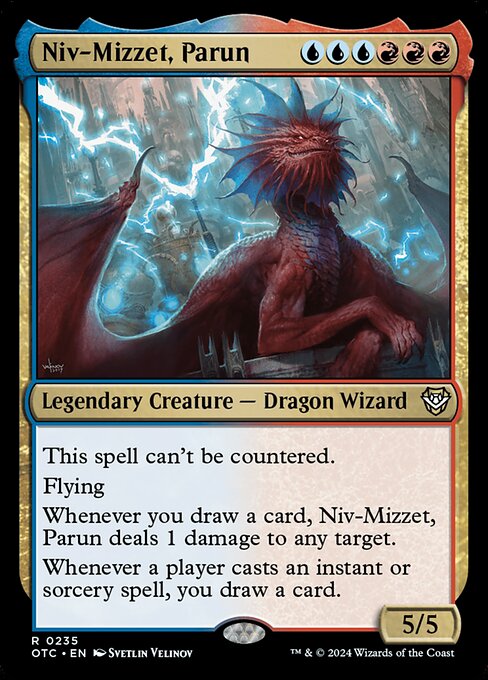
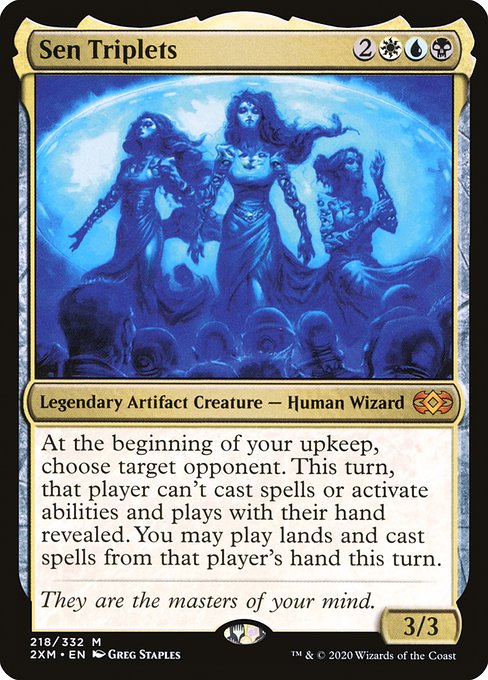
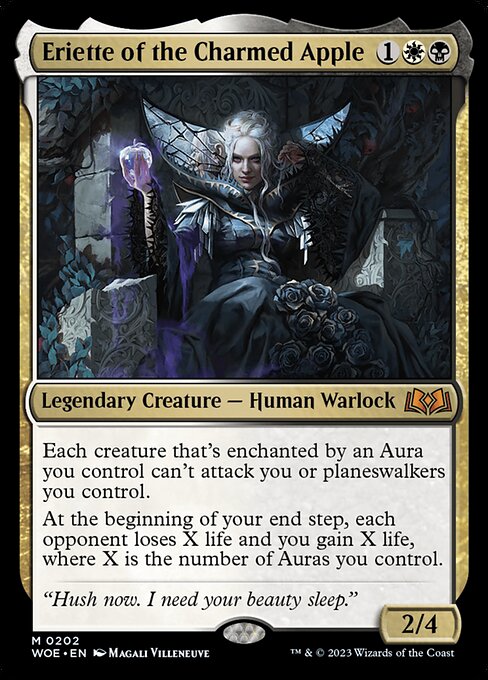
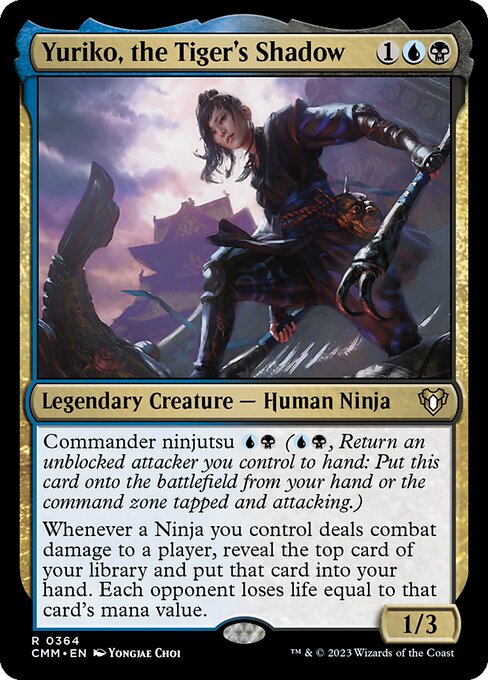

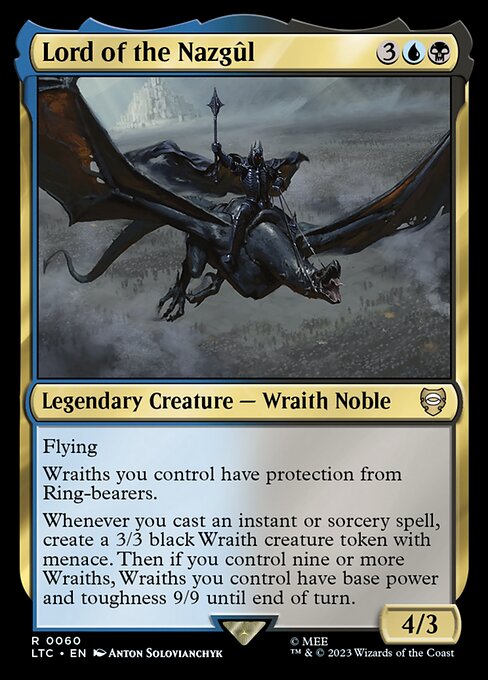
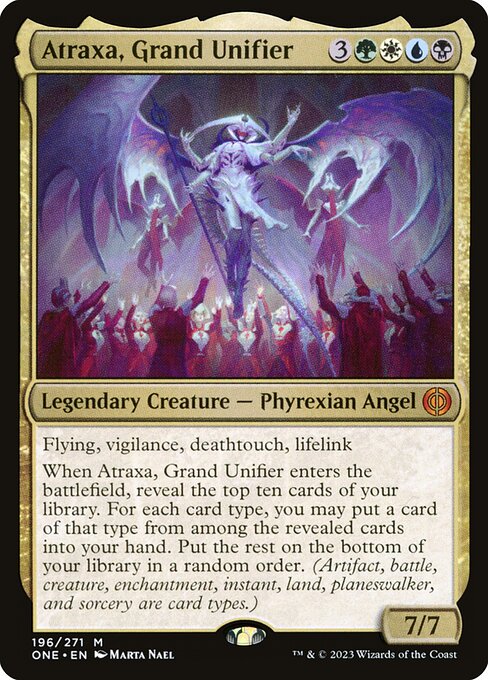
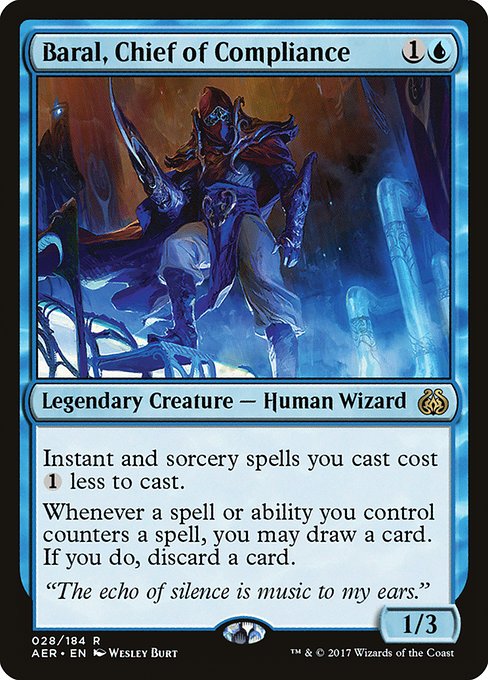
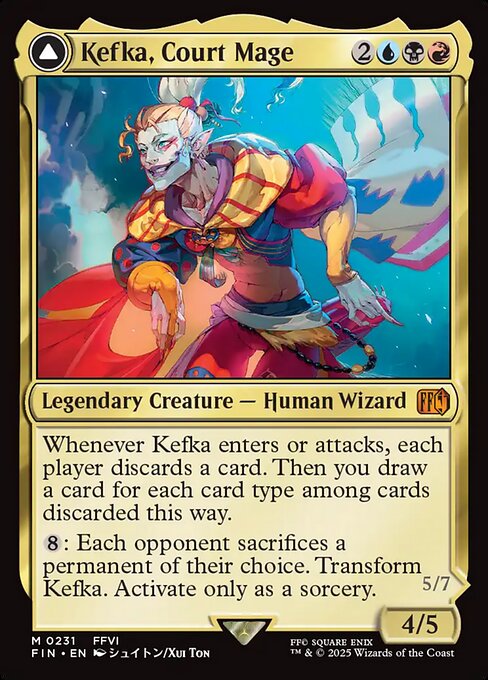
The best control commanders typically provide consistent access to the strategy's core mechanics. Look for commanders that you hold up mana and answer the threats that actually matter.
Control decks win through a combination of Cyclonic Rift, Rhystic Study, Swords to Plowshares, and other synergistic pieces that control decks are for players who enjoy deciding which threats matter, spending answers carefully, and winning after the table has slowed down.
Azorius combines blue counters and draw with white sweepers, removal, and taxes. However, Dimir trades white sweepers for black removal, discard, tutors, and graveyard value.
One-for-one answers lose value against three opponents, so control can run out of interaction. Slow clocks invite the table to focus you once you become the obstacle to their plans. Control can struggle against decks that rebuild quickly from sweepers, such as tokens and graveyard engines. Long games and repeated answers can create social pressure at casual tables.