Spellslinger decks are for players who want each instant and sorcery to advance the board, refill the hand, or pressure life totals. This strategy wants to cast cheap spells across every turn cycle, using spellslinger commanders, magecraft payoffs, and copy effects, to win through accumulated damage, spell-made tokens, or card advantage. Unlike Storm, it does not need one huge chain turn, and unlike Combo it is not waiting for specific pieces to end the game at once. The best instants and sorceries decks reward steady sequencing and careful use of interaction.


Izzet combines blue cantrips and counters with red burn, copy effects, and impulse draw.

Grixis adds tutors, recursion, and drain so spell chains can find and reuse key pieces.

Jeskai adds protection, tax pieces, and token payoffs to the core Izzet spell engine.
Spellslinger decks excel through a specific playstyle and win conditions. Here's how they work:
✓ You fill your deck with cheap instants and sorceries that matter in many game states.
✓ You convert each cast into damage tokens cards or mana through payoff permanents.
✓ You hold up interaction so defending yourself still advances the engine.
✓ You refill with cantrips wheels and recursion to keep casting.
✓ You close through accumulated triggers a token air force or a large spell from your resource lead.
Magecraft engine that draws whenever you cast or copy an instant or sorcery.
Turns instants and sorceries into damage against each opponent.
Makes a flying Drake for each instant or sorcery you cast.
Generates Treasure from spell casts to fund longer turns.
Low-cost payoff that converts instants and sorceries into creature tokens.
Spellslinger fits players who like holding up mana, playing on the stack, and having useful decisions on each turn. The basic loop is accessible, but sequencing cantrips, removal, and protection rewards practice. Budget builds work well because many cantrips and payoff creatures are inexpensive.
Storm chains one large turn; Spellslinger earns steady value from each cast.
Combo assembles fixed pieces; Spellslinger wins by repeating cast triggers.
Control answers first; Spellslinger turns answers and cantrips into proactive triggers.
Card Draw makes drawing the engine; Spellslinger spends cards to trigger spell payoffs.
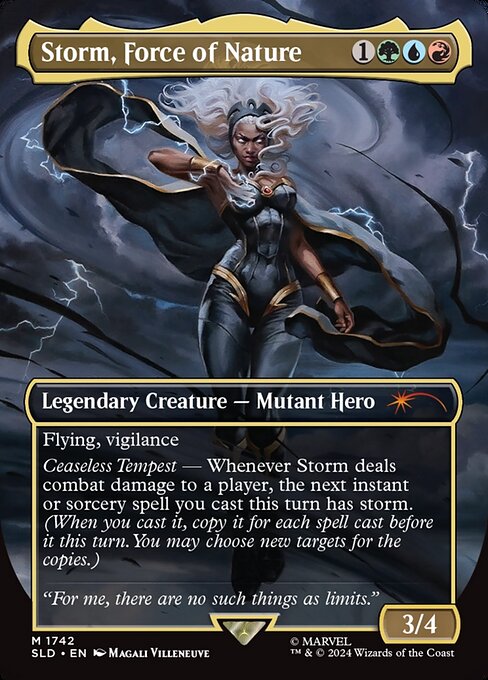
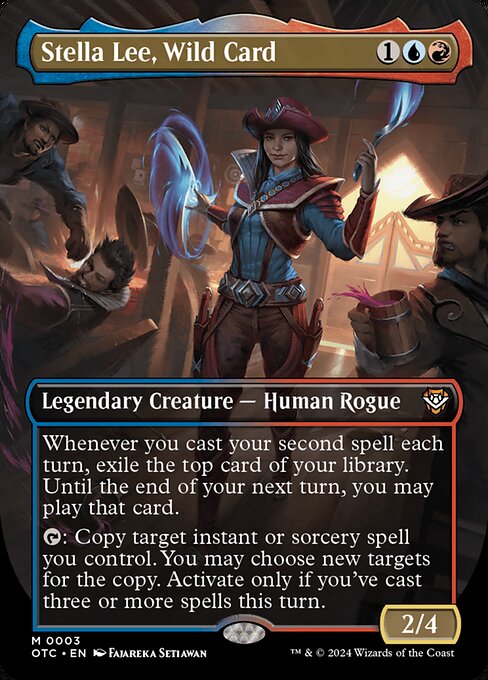
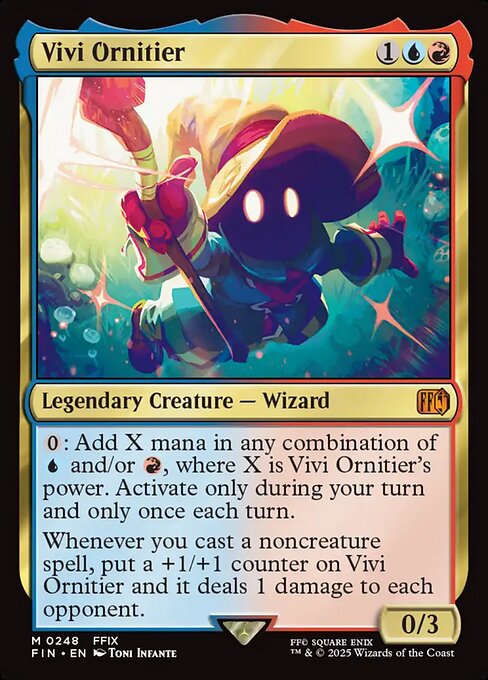
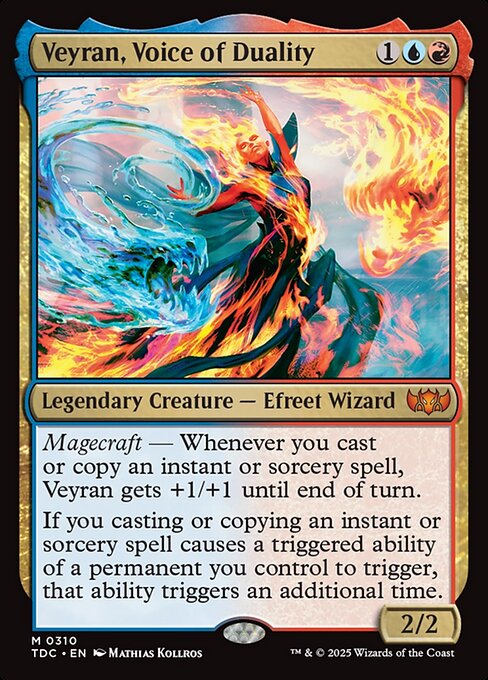
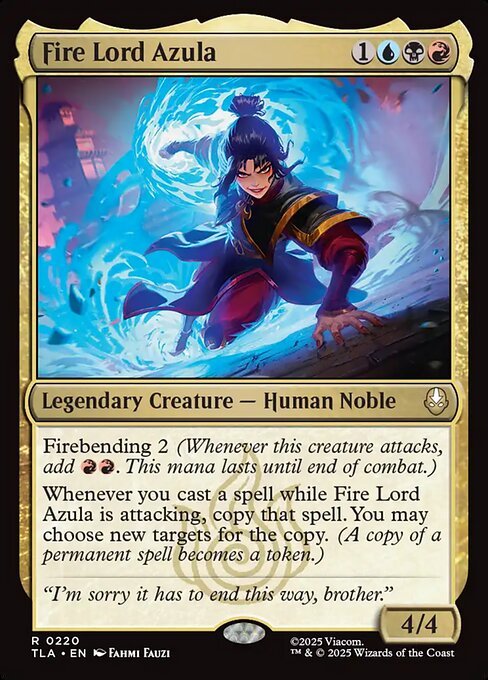
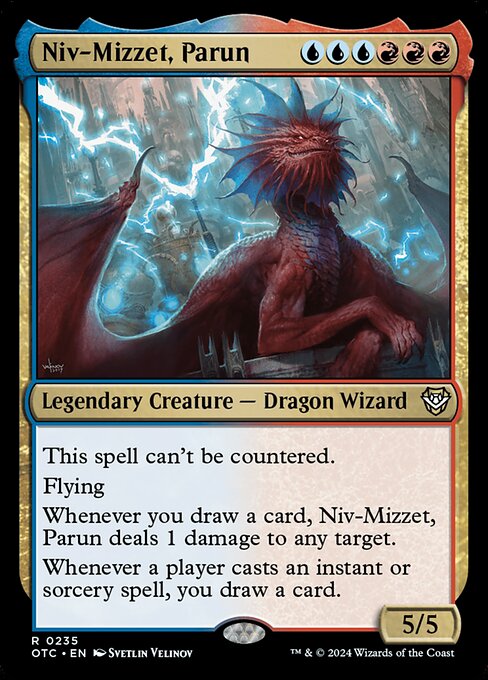
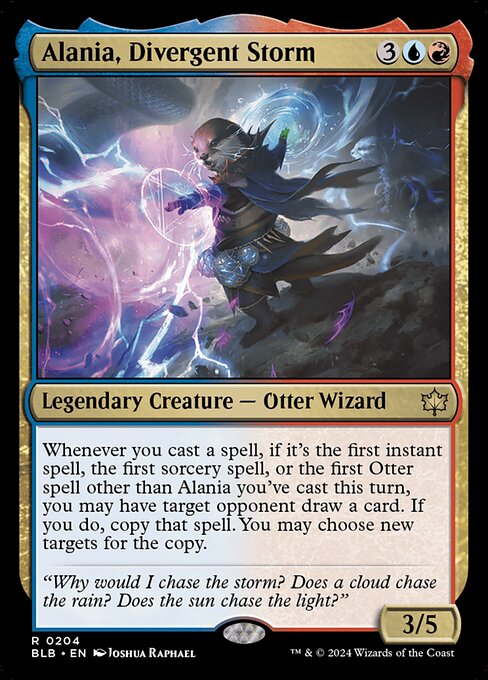
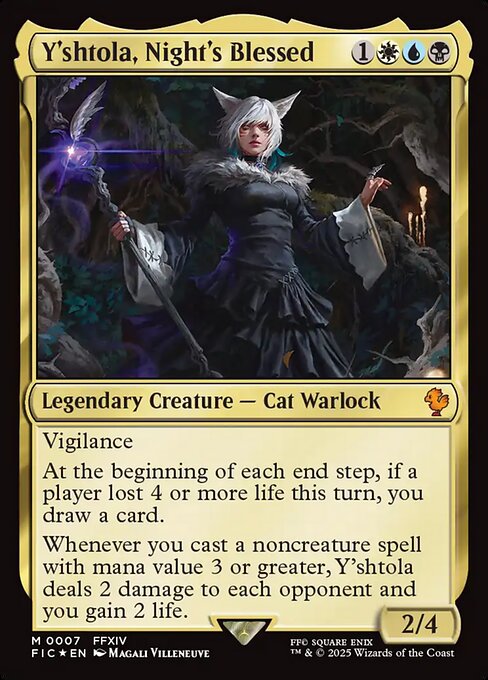
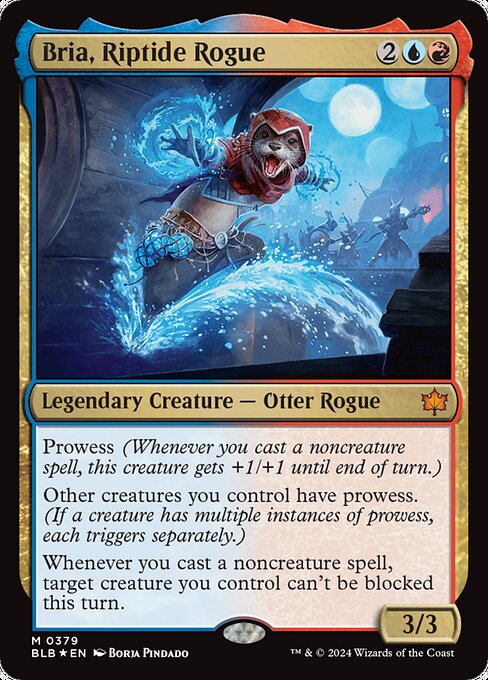
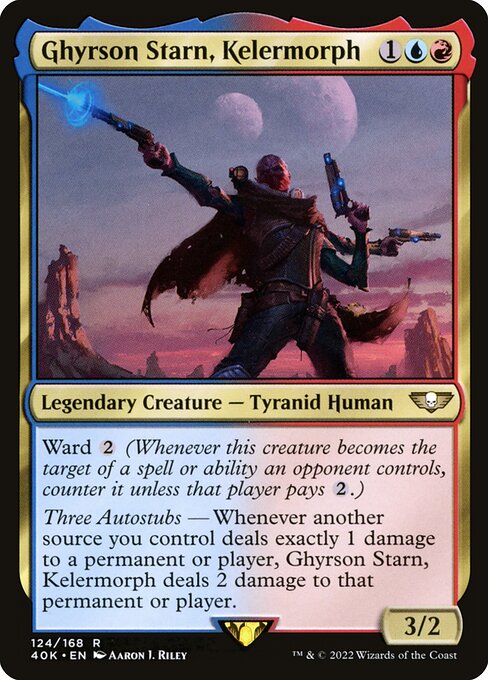
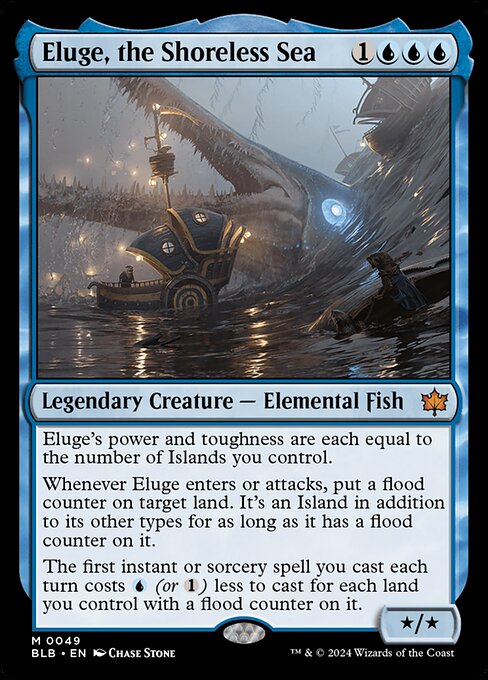
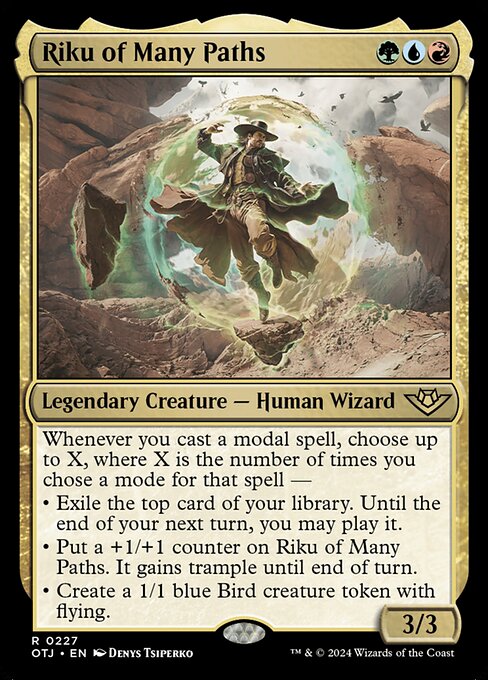
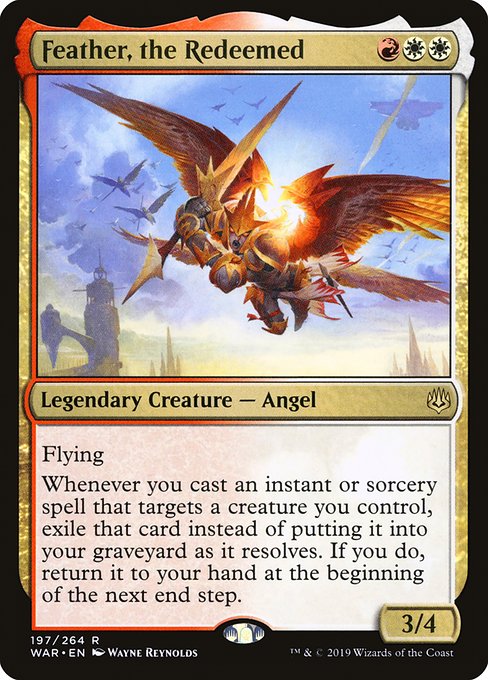
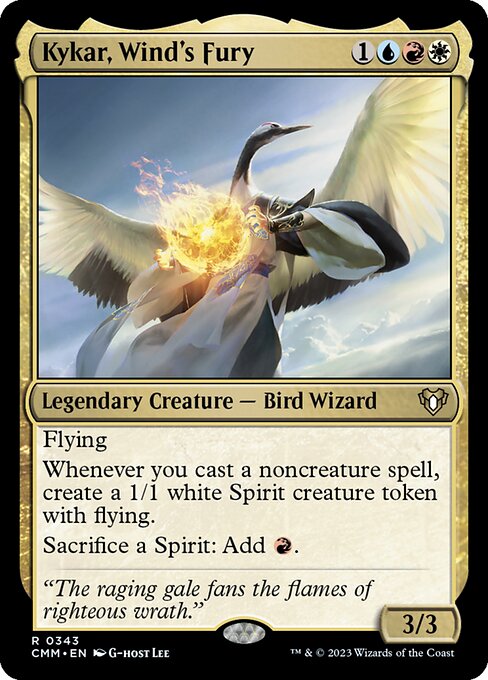
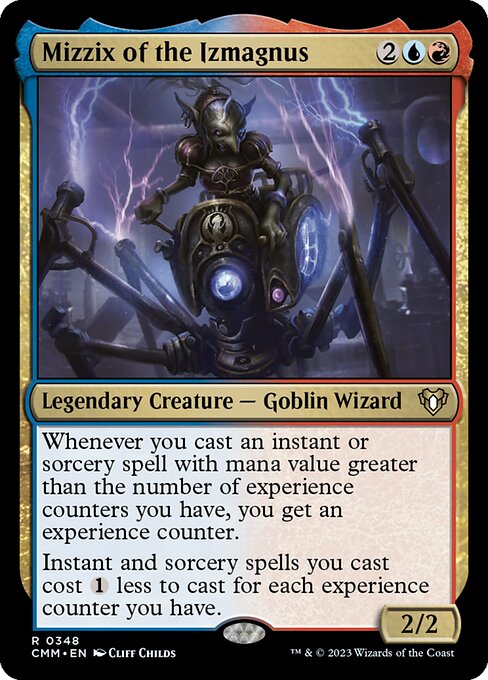
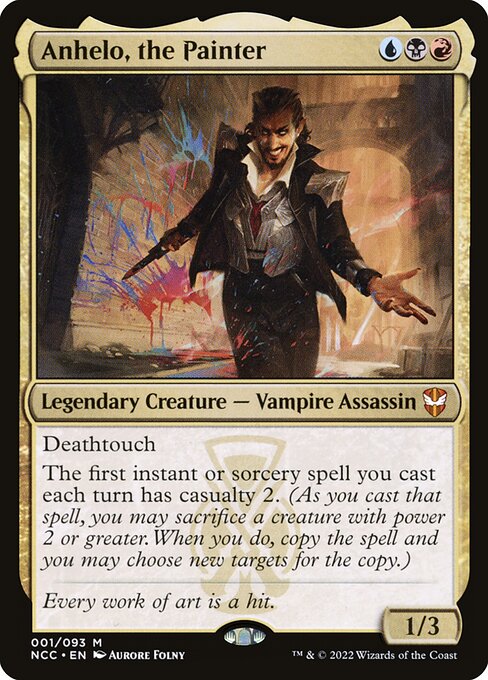
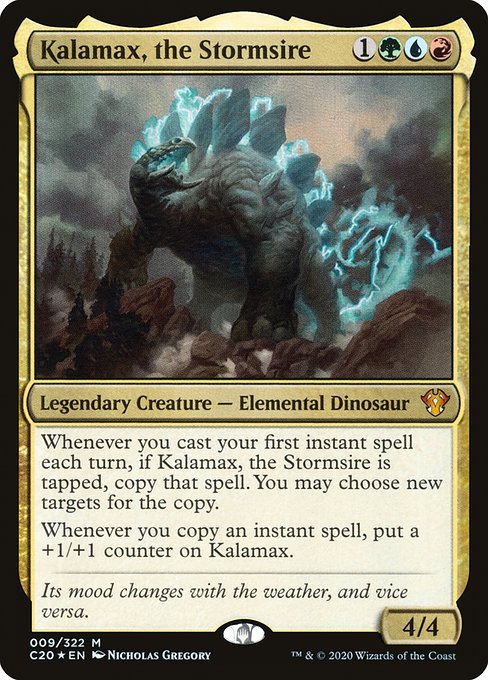
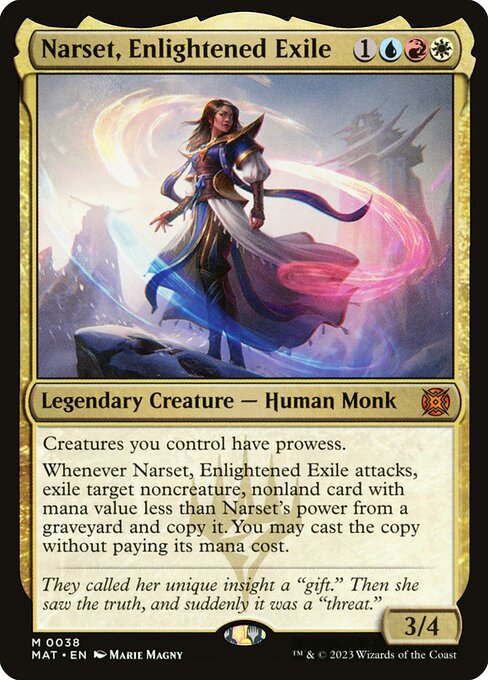
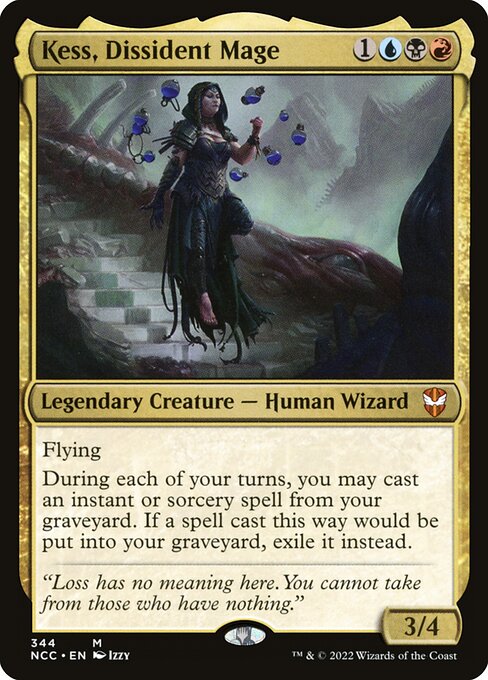
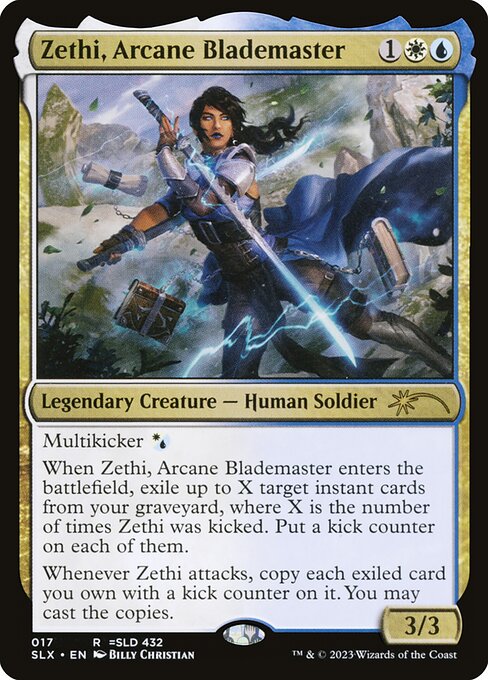
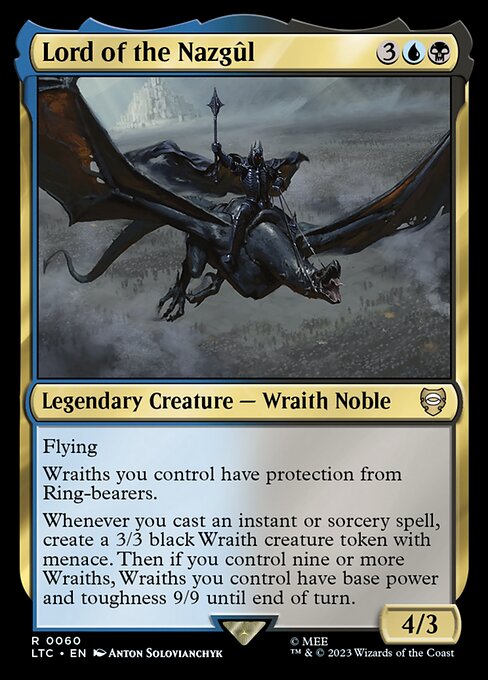
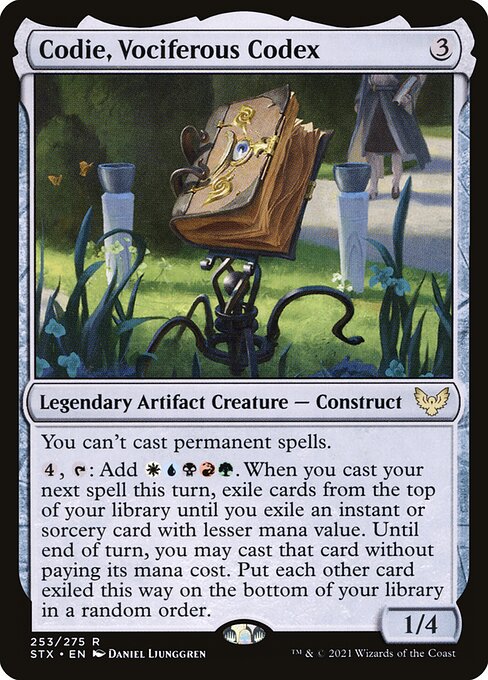
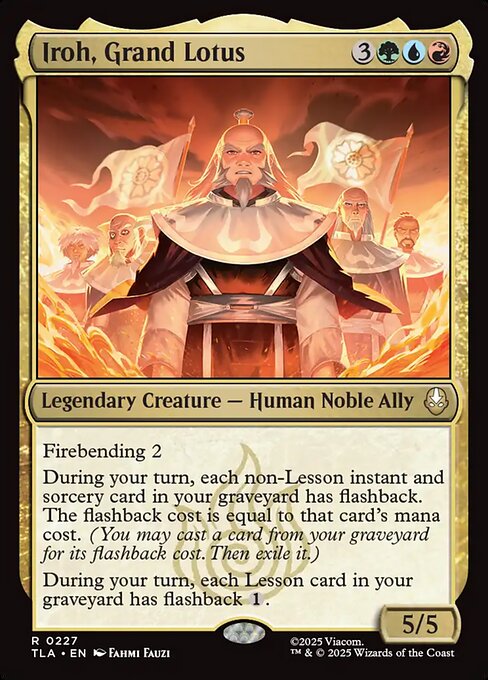
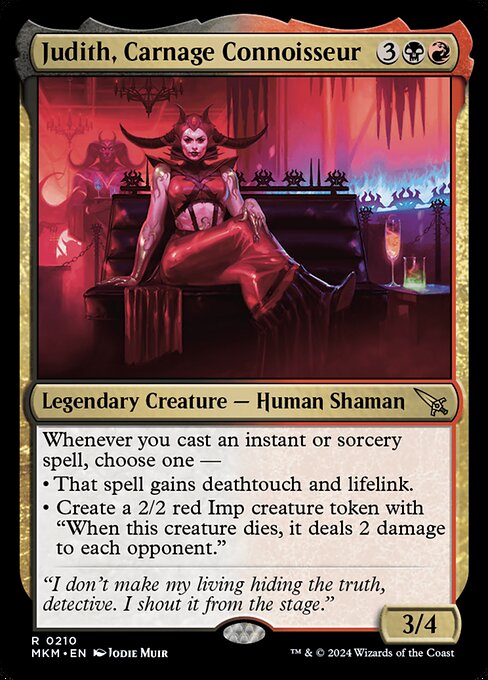
The best spellslinger commanders typically provide consistent access to the strategy's core mechanics. Look for commanders that you fill your deck with cheap instants and sorceries that matter in many game states.
Spellslinger decks win through a combination of Archmage Emeritus, Guttersnipe, Talrand, Sky Summoner, and other synergistic pieces that spellslinger decks are for players who want each instant and sorcery to advance the board, refill the hand, or pressure life totals.
Izzet combines blue cantrips and counters with red burn, copy effects, and impulse draw. However, Grixis adds tutors, recursion, and drain so spell chains can find and reuse key pieces.
Payoff creatures like Guttersnipe and Archmage Emeritus are fragile, and the deck can stall when they are removed. Spellslinger decks can struggle to rebuild after discard or effects that stop extra draw. Taxing pieces that raise spell costs can make cheap cantrips and interaction much harder to chain. The deck may affect the battlefield slowly, inviting attacks before its payoffs are online.