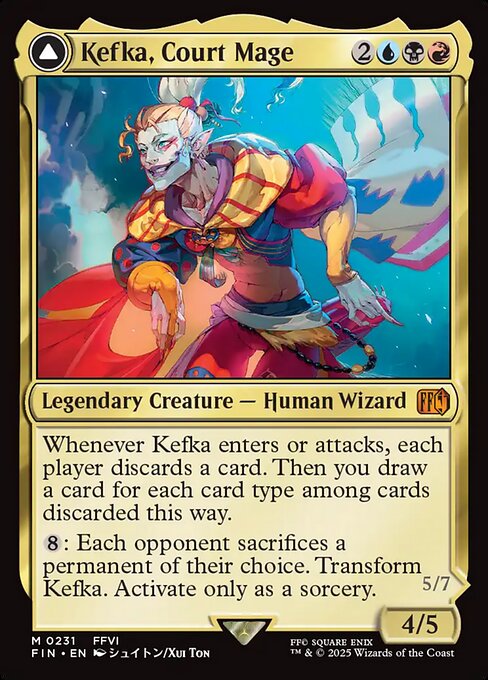
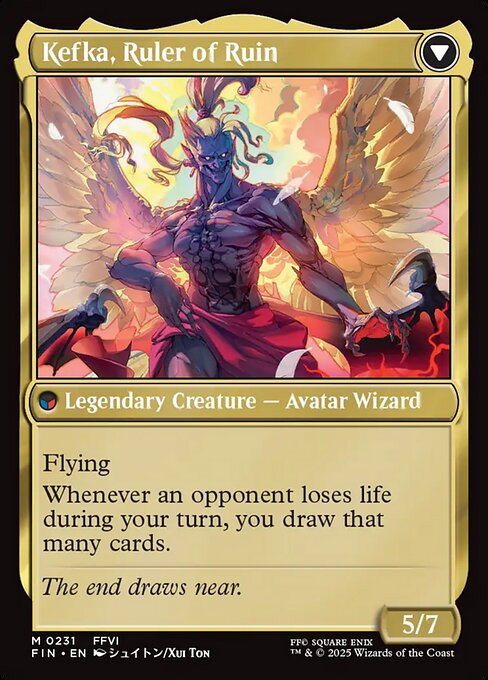
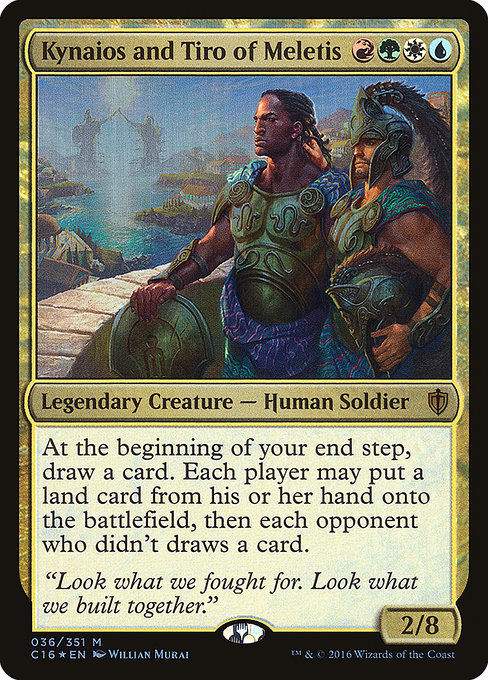
Card Draw decks are for players who want a full hand to be the engine, the protection, and eventually the win condition. This strategy wants to draw extra cards every turn, using card draw commanders, repeatable engines, wheels, and draw payoffs, to win through card advantage EDH plans such as damage triggers, stocked interaction, or superior late-game resources. Unlike Control, it is not only answering threats, and unlike Spellslinger it cares about the draw event more than the spell cast. The best card draw commanders either refill you directly or convert each extra card into pressure.

Mono-blue offers Rhystic Study, Mystic Remora, wheels, cantrips, and broad card advantage engines.

Izzet pairs draw engines with Niv-Mizzet style damage payoffs and spell support.

Dimir adds drain payoffs, tutors, and wheels that punish opposing draws.

Simic ties draw to ramp and creatures, turning extra cards into mana and board presence.
Card Draw decks excel through a specific playstyle and win conditions. Here's how they work:
✓ You deploy cheap draw engines early and let them accumulate cards.
✓ You draw beyond your normal turn draw whenever the deck can afford it.
✓ You convert extra cards into damage life drain tokens or stocked answers.
✓ You hold up interaction because your engines refill what you spend.
✓ You win late by turning more cards into more relevant resources.
Repeatable draw engine that taxes opponents or refills your hand.
Early draw engine that punishes opponents for casting noncreature spells.
Draws two cards whenever an opponent draws, scaling in multiplayer.
Turns your draws into life and opponents' draws into damage.
Converts card draw and spell casts into direct damage.
Card Draw is a friendly engine strategy because extra cards forgive some deckbuilding mistakes and keep options open. Budget engines exist, though premium staples like Rhystic Study can be expensive. It suits players who enjoy planning with a full hand and turning options into a late-game win.
Control draws to answer threats; Card Draw makes the draw triggers central.
Spellslinger rewards casting cantrips; Card Draw rewards the cards drawn.
Group Hug shares resources politically; Card Draw keeps the extra cards mostly private.
Enchantress draws from enchantment casts; Card Draw uses broader draw engines and payoffs.
Blink reuses enter triggers for cards; Card Draw runs draw as the main engine.
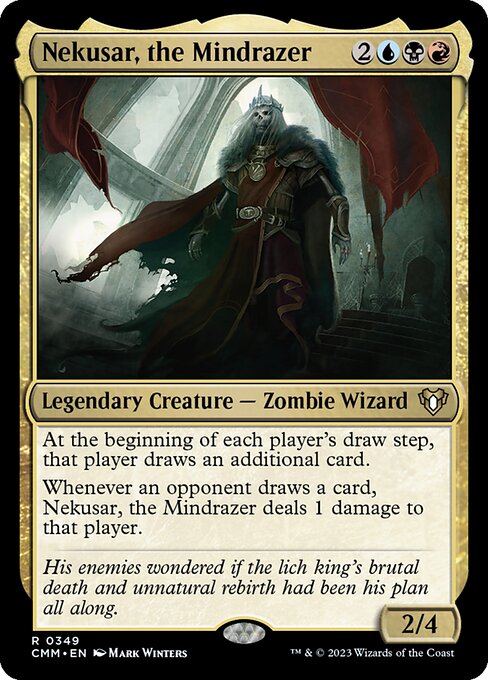
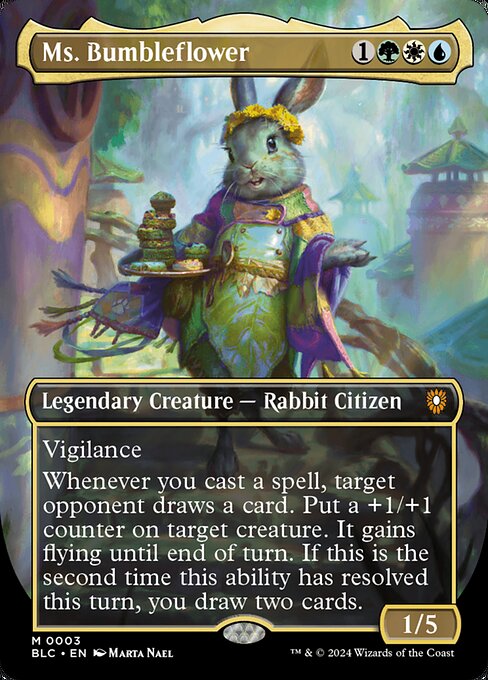
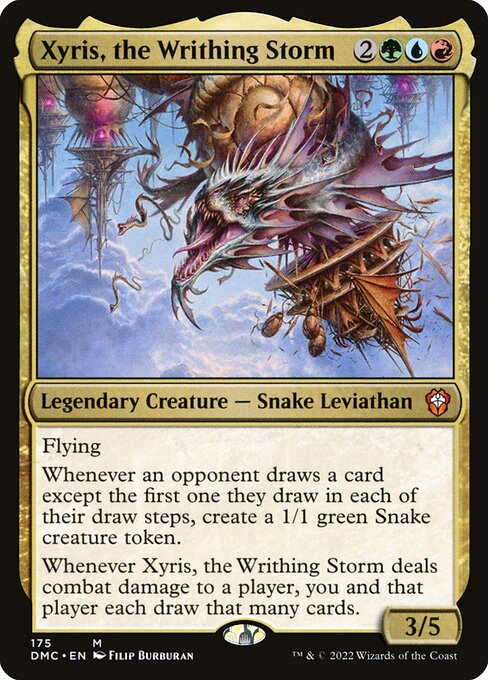
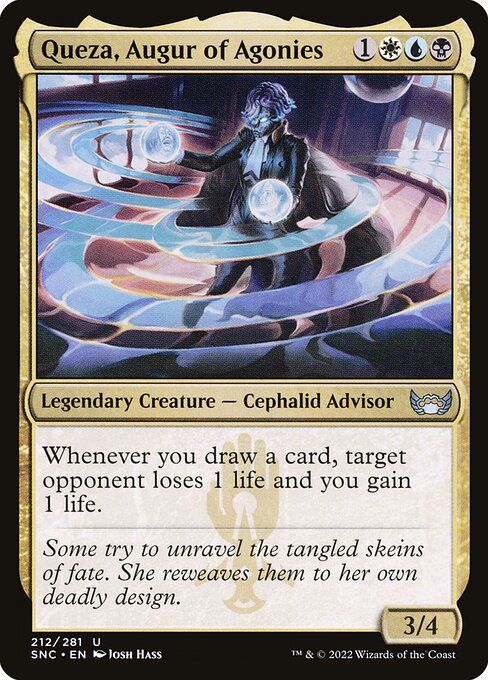
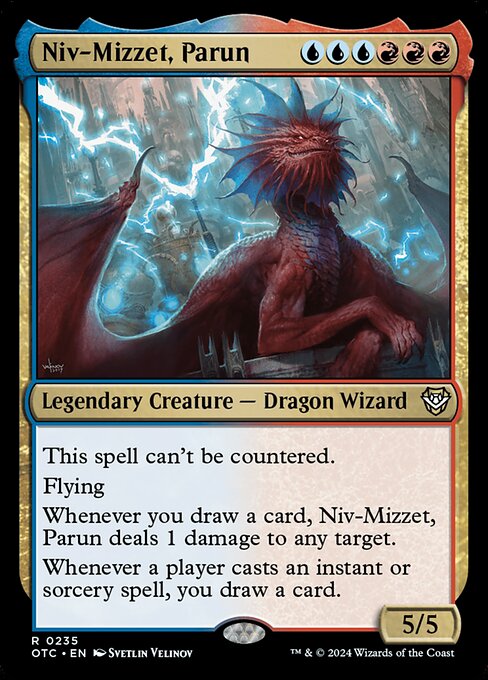
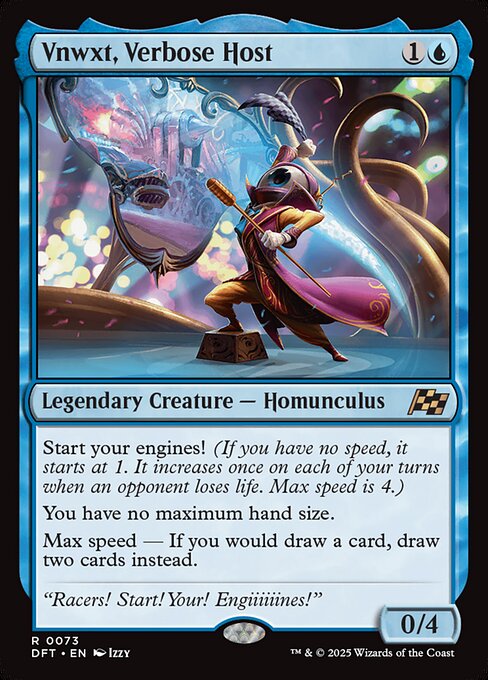
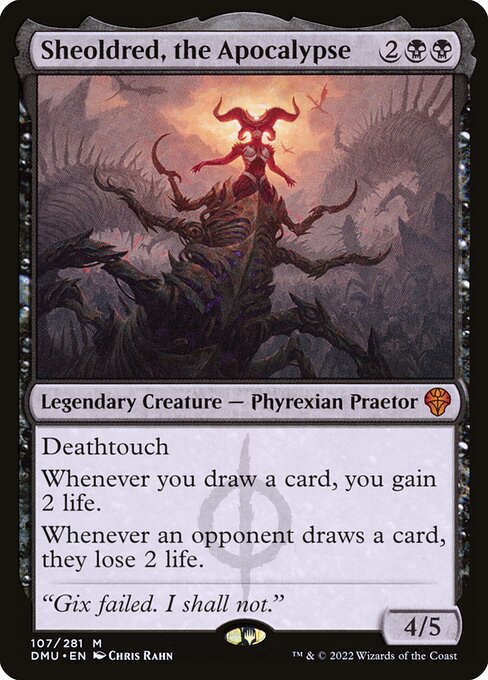
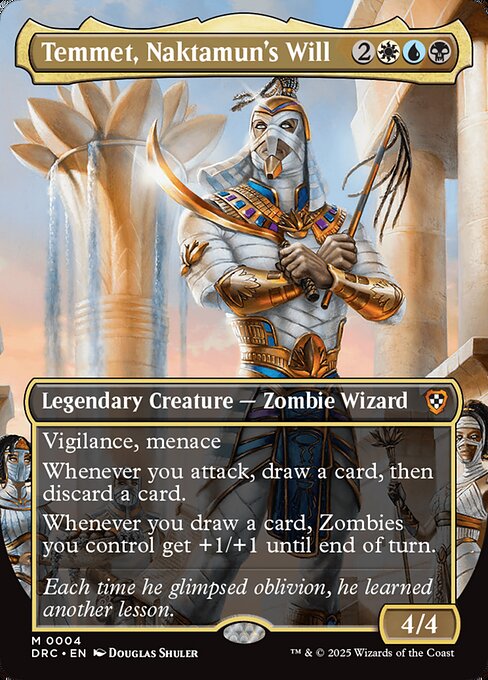
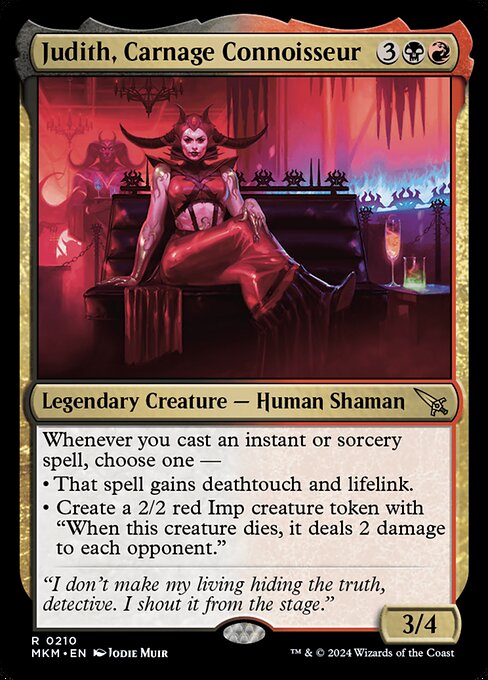
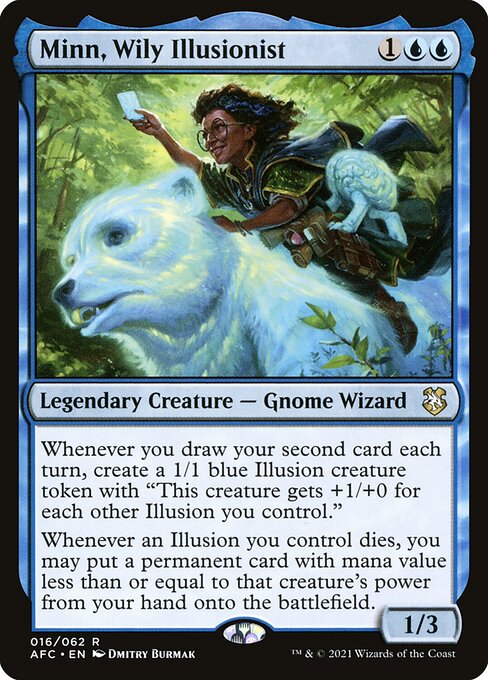
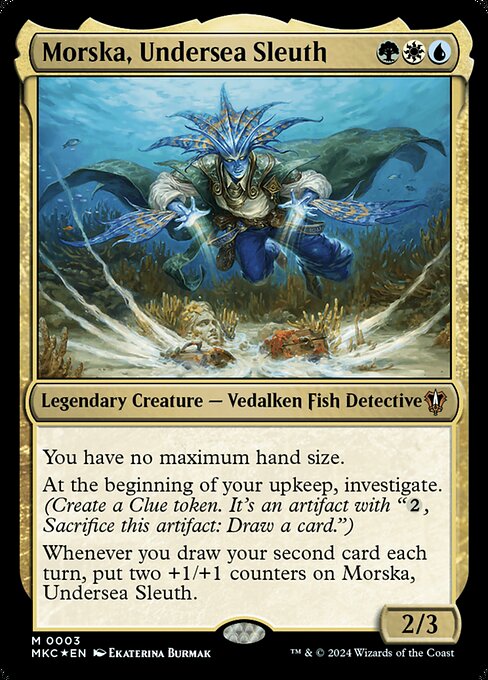
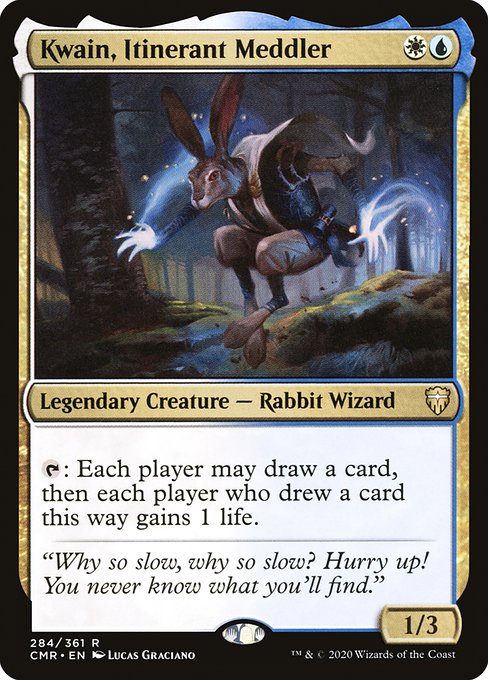
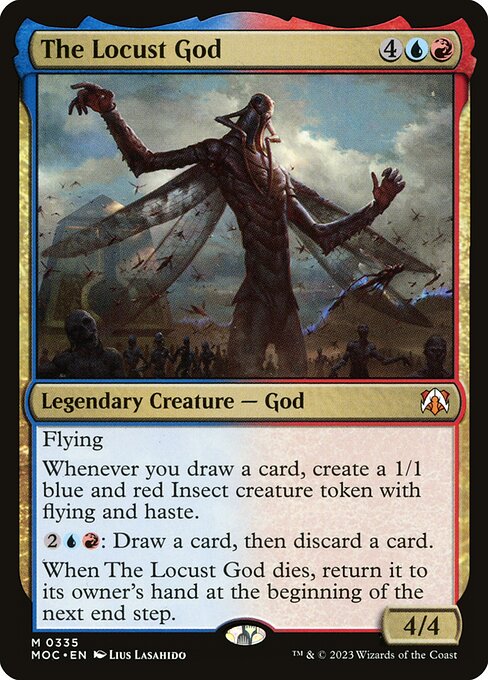
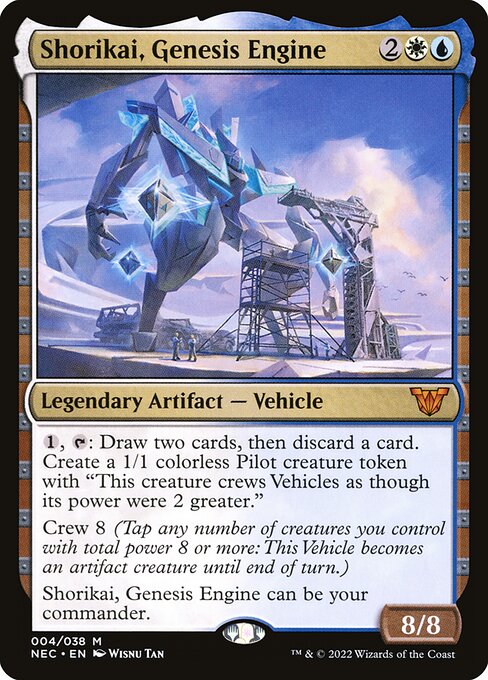
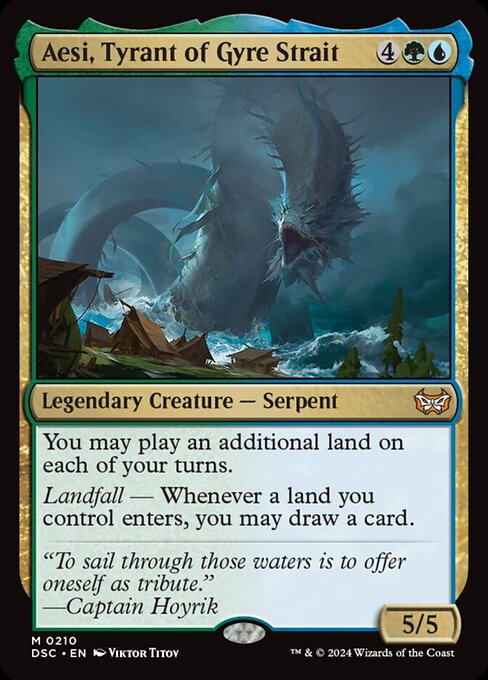
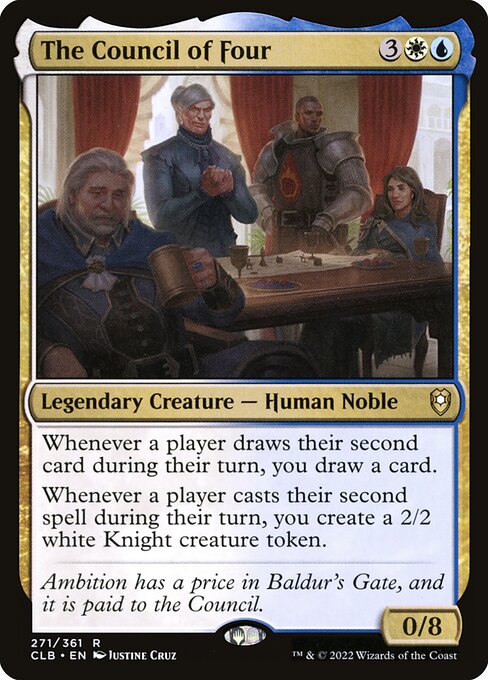
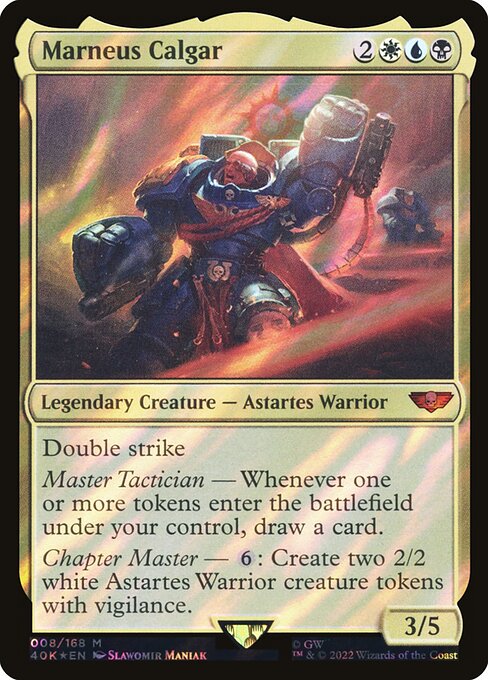
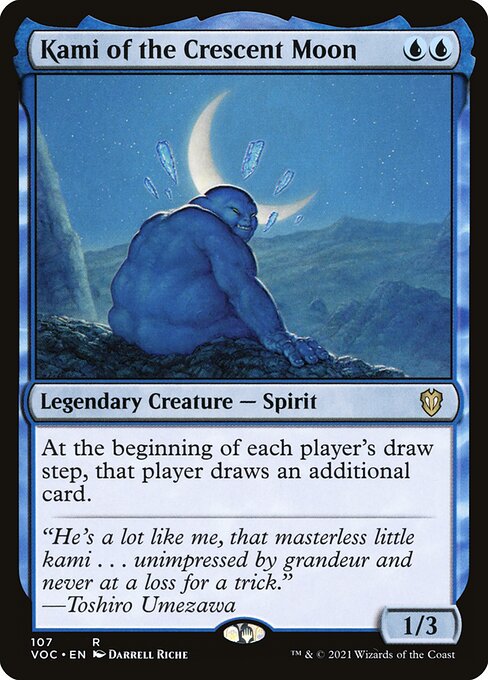
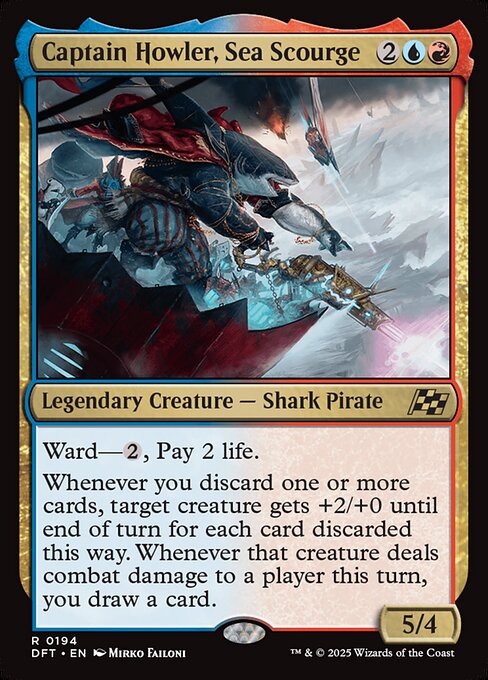
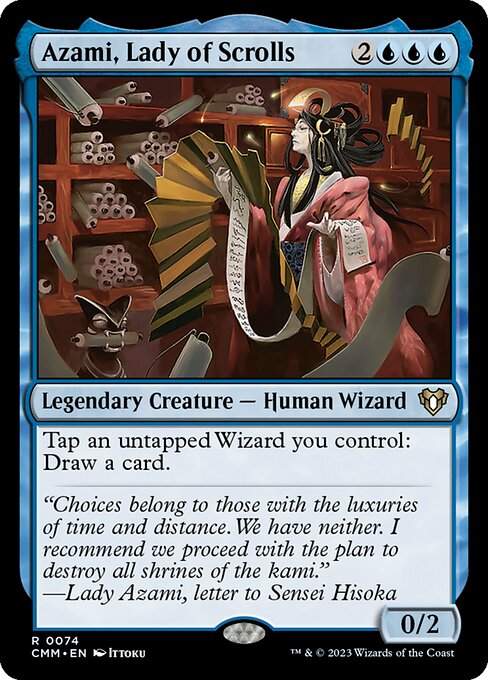
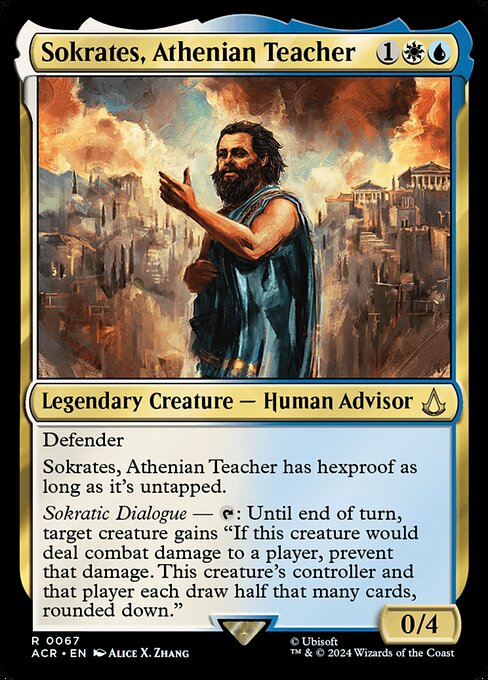
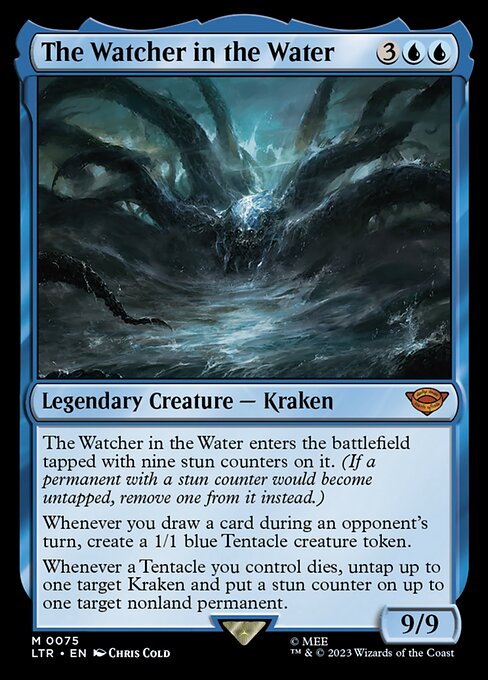
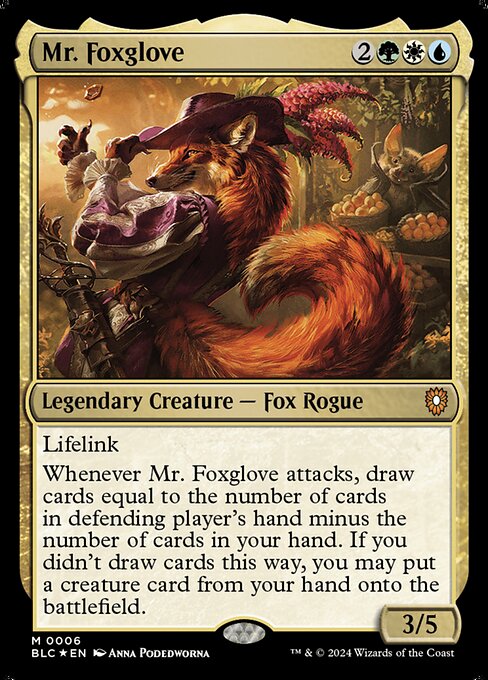
The best card draw commanders typically provide consistent access to the strategy's core mechanics. Look for commanders that you deploy cheap draw engines early and let them accumulate cards.
Card Draw decks win through a combination of Rhystic Study, Mystic Remora, Consecrated Sphinx, and other synergistic pieces that card draw decks are for players who want a full hand to be the engine, the protection, and eventually the win condition.
Mono-blue offers Rhystic Study, Mystic Remora, wheels, cantrips, and broad card advantage engines. However, Izzet pairs draw engines with Niv-Mizzet style damage payoffs and spell support.
Draw engines attract removal and table attention, especially when they come down early. Raw cards are not a board state, so the deck can struggle against fast creature pressure. The deck is vulnerable to effects like Notion Thief or Narset that stop or steal extra draws. Careless drawing can deck you or force key cards into discard without a payoff in play.