


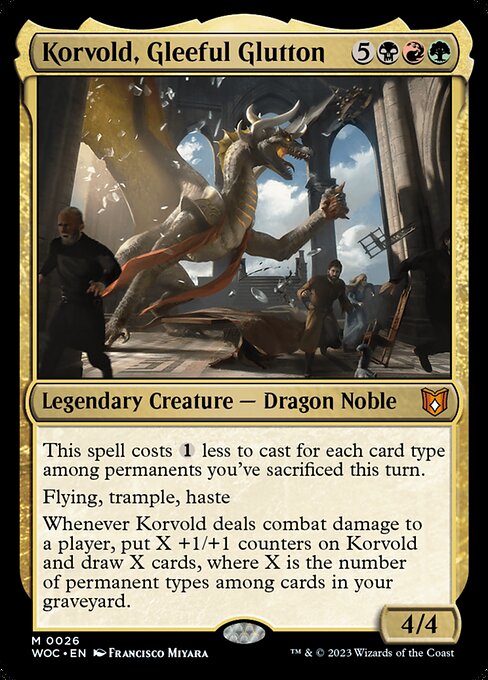
Korvold, Gleeful Glutton
Color Identity



Details
Mana Value
8
Popularity
#2,675
of 3,466 commanders · via EDHREC
Card Text
Legendary Creature — Dragon Noble
This spell costs {1} less to cast for each card type among permanents you've sacrificed this turn.
Flying, trample, haste
Whenever Korvold deals combat damage to a player, put X +1/+1 counters on Korvold and draw X cards, where X is the number of permanent types among cards in your graveyard.
4/4
Playstyle
Midrange · Steady · Minimal interaction · Wins by combat
- Aggression
- 4 of 5
- Speed
- 3 of 5
- Interaction
- 2 of 5
- Combat
- 5 of 5
- Engine
- 4 of 5
- Complexity
- 3 of 5
Card Price
Strategy Guides
Sacrifice Strategy Guide
Sacrifice decks are for players who want their own permanents to be flexible resources rather than pieces to protect at all costs. This strategy wants to feed creatures, artifacts, and tokens into a sacrifice outlet, using fodder makers, recursion, and sacrifice commanders, to win through mana loops, edicts, drain payoffs, or a steady resource lead. Unlike Aristocrats, it is broader than death trigger drain, and unlike Tokens it values bodies mainly as expendable fuel. The best sacrifice commanders keep the engine moving even when opponents point removal at your board.
Voltron Strategy Guide
Voltron decks are for players who want the game to revolve around one protected attacker and the timing of each combat step. This strategy wants to build one creature, usually a commander, using equipment and auras for power, evasion, and protection, to win through 21 commander damage on each opponent. Unlike Tokens or Aggro, Voltron does not spread pressure across many bodies, and unlike broad Equipment decks the gear is focused on one threat rather than a wider artifact engine. The best Voltron commanders make commander damage decks feel like a resource puzzle: suit up, connect, protect the threat, then rebuild if the table answers it.
+1/+1 Counters Strategy Guide
+1/+1 counter decks are for players who want small creature upgrades to become permanent pressure across the board. This strategy wants to grow creatures over several turns, using +1/+1 counter commanders, counter doublers, and counter payoffs, to win through combat damage from creatures that keep getting larger. Unlike Tokens, Counters grows creatures over time instead of making many bodies, and unlike Voltron it spreads power beyond one attacker; unlike Proliferate, it focuses on +1/+1 growth rather than every counter type, while Infect is a separate poison plan. Counters matter decks reward pilots who sequence early creatures, multipliers, and protection so each trigger converts into lasting board presence.
Aggro Strategy Guide
Aggro decks are for players who want to commit threats early, attack often, and make combat math matter every turn. This strategy wants to pressure all opponents with efficient attackers, using anthems, haste, attack triggers, extra combats, and aggro commanders, to win through repeated combat damage before slower engines stabilize. In Commander that still means pushing through 120 total damage, so go-wide aggro EDH decks need refueling and scaling damage rather than only fast starts. Aggro differs from Tokens because it focuses on attacking with the bodies, from Voltron because it spreads pressure across many creatures, and from Infect because it deals life-total damage instead of poison.
Appears in These Collections
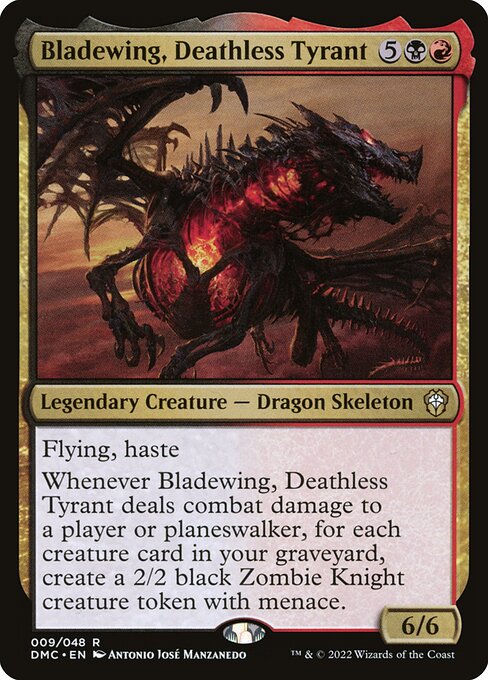
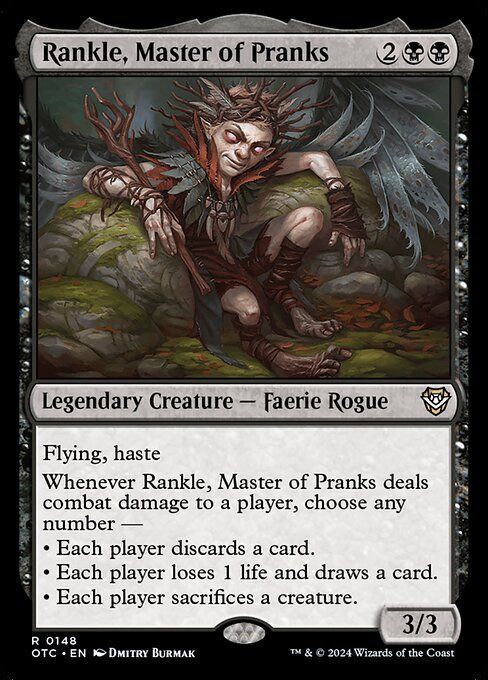
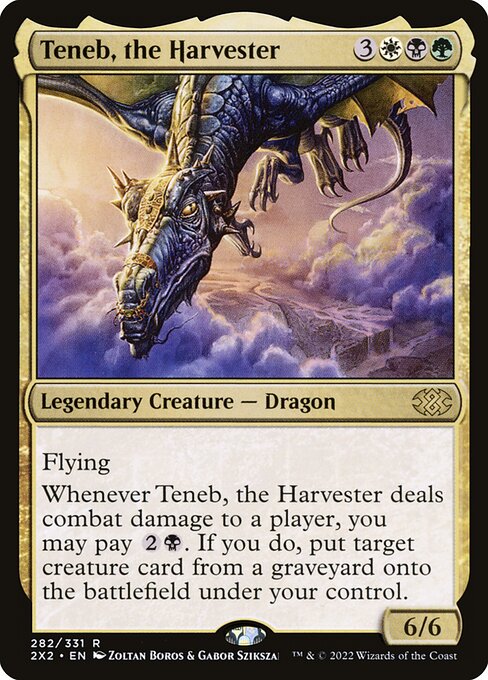
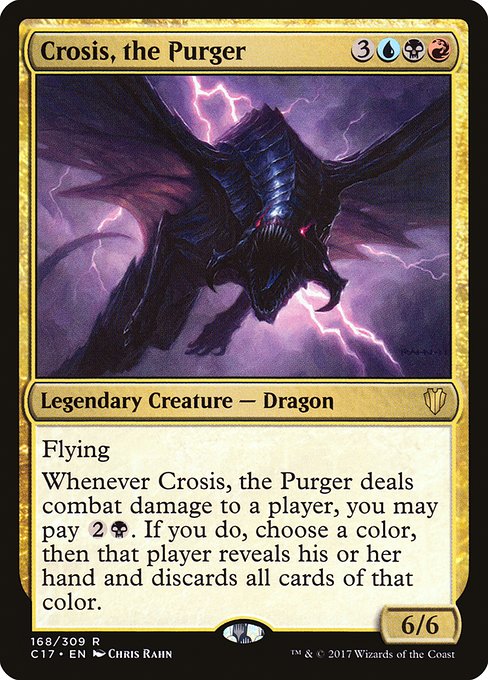
Similar Commanders
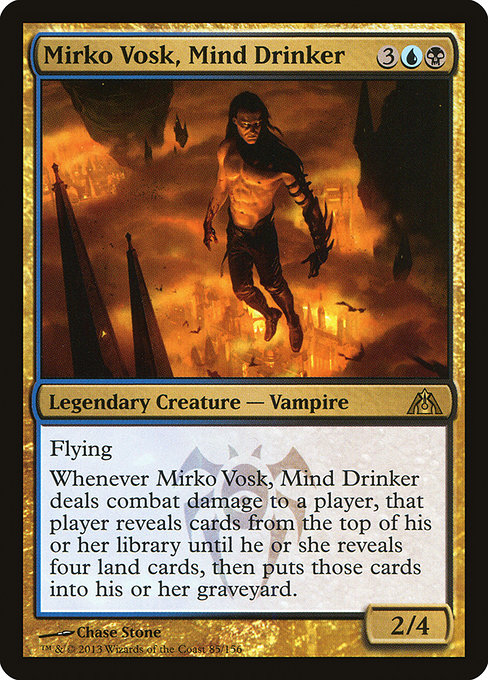
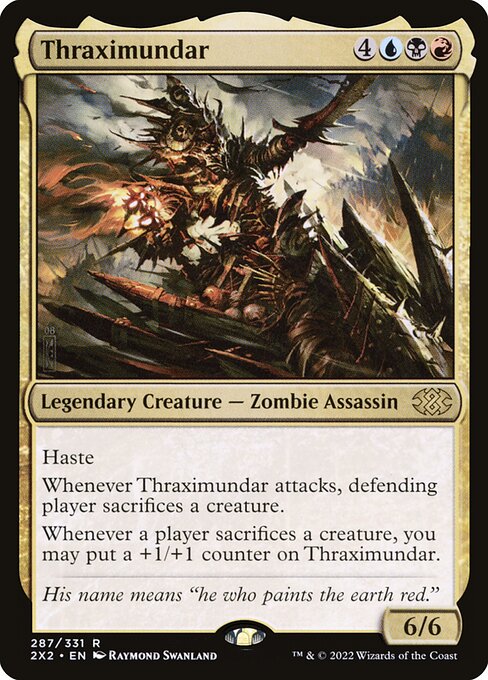
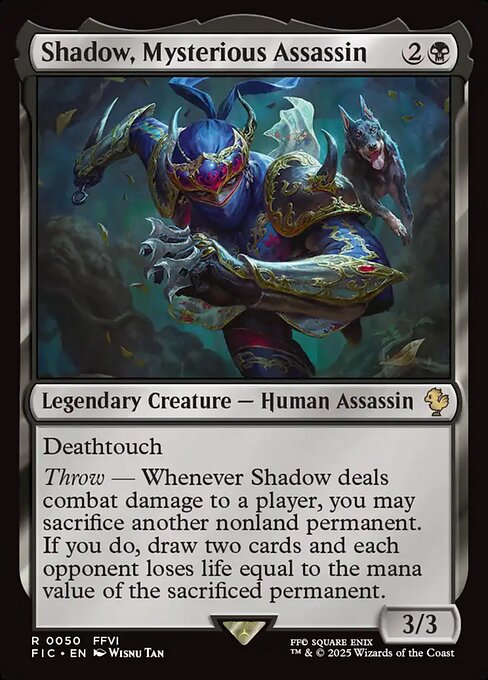
Popular Commanders
| # | Commander | Identity | Strategy | Price |
|---|---|---|---|---|
| 01 | 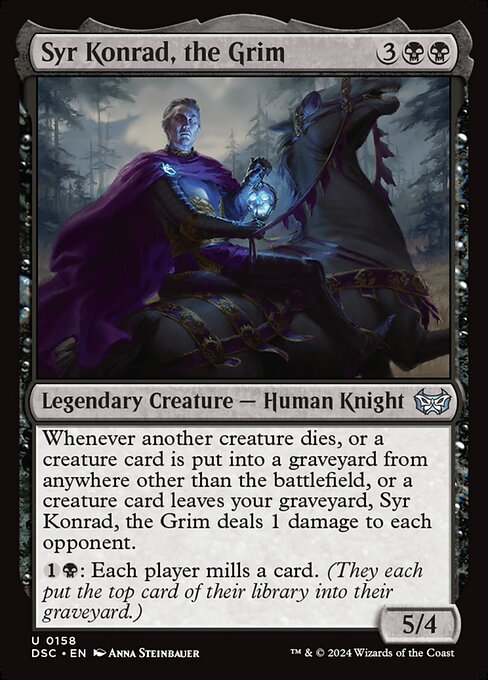 Syr Konrad, the Grim Syr Konrad, the Grim | | Mill | $1.76 |
| 02 | 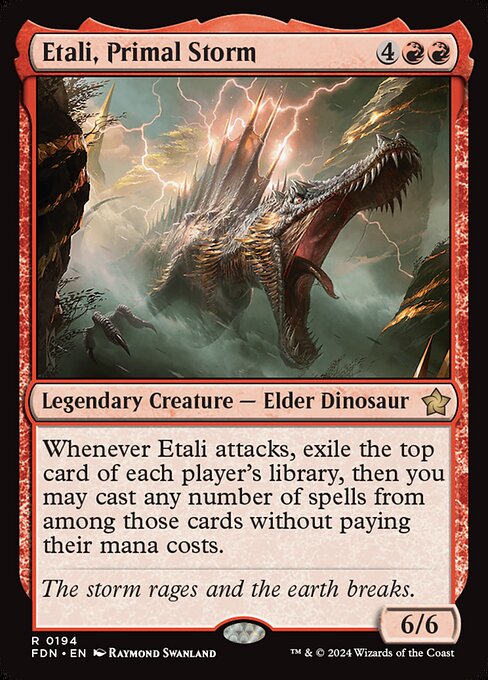 Etali, Primal Storm Etali, Primal Storm | | Extra Combats | $0.66 |
| 03 | 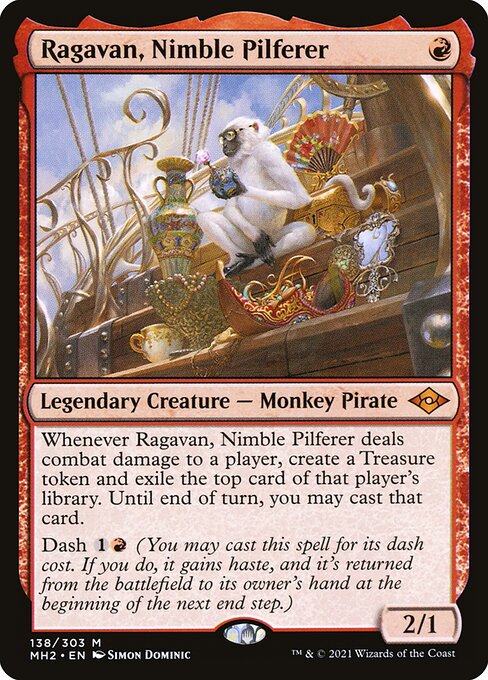 Ragavan, Nimble Pilferer Ragavan, Nimble Pilferer | | Treasure | $41.73 |
| 04 | 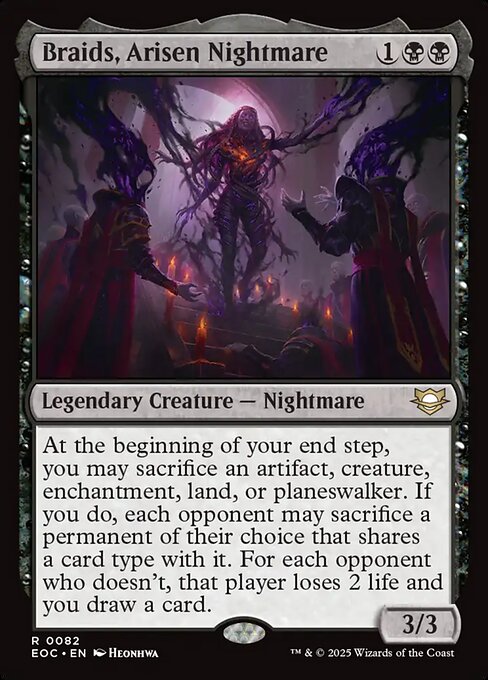 Braids, Arisen Nightmare Braids, Arisen Nightmare | | Aristocrats | $4.61 |
| 05 | 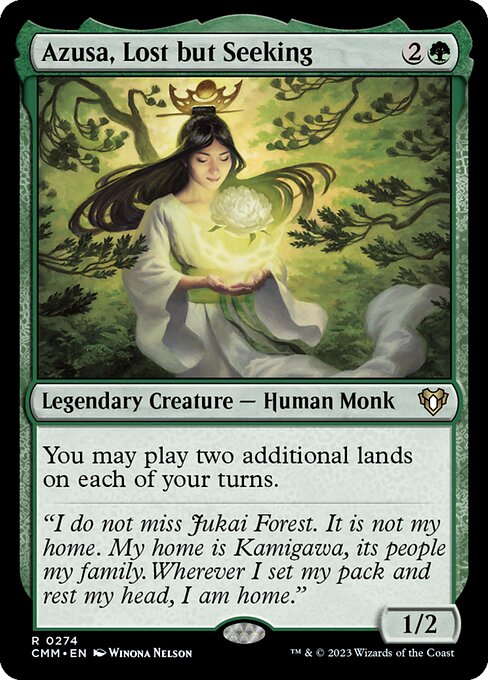 Azusa, Lost but Seeking Azusa, Lost but Seeking | | Lands Matter | $13.07 |
| 06 | 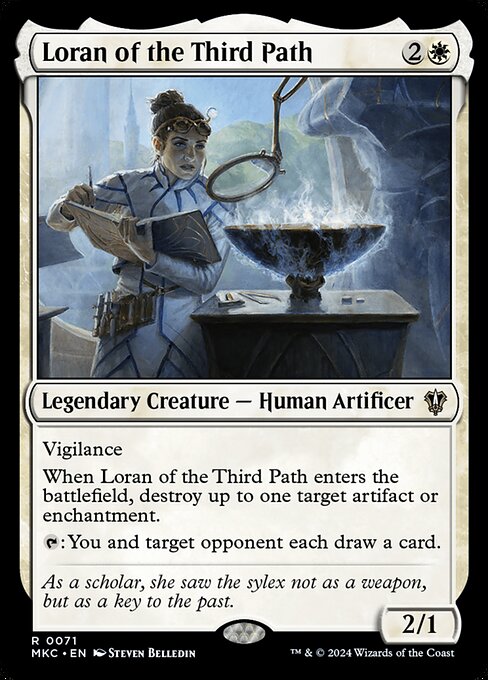 Loran of the Third Path Loran of the Third Path |  | Group Hug | $7.26 |
| 07 | 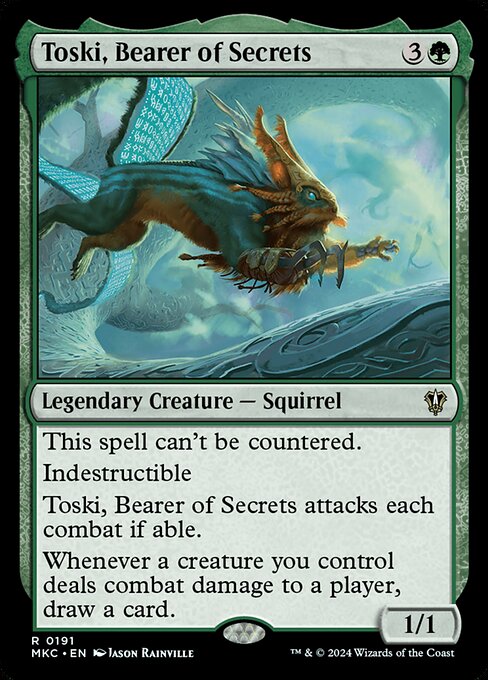 Toski, Bearer of Secrets Toski, Bearer of Secrets | | Equipment | $7.99 |
| 08 | 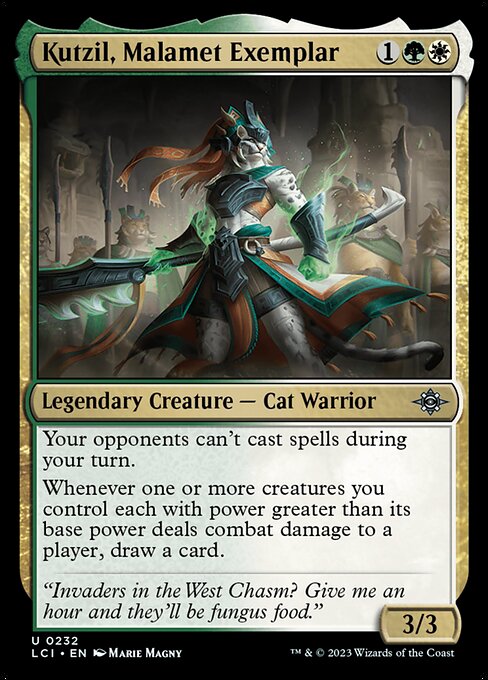 Kutzil, Malamet Exemplar Kutzil, Malamet Exemplar | | +1/+1 Counters | $2.70 |