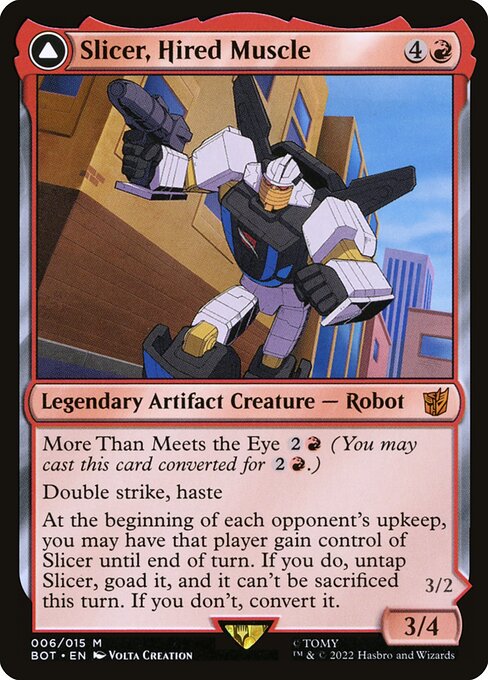
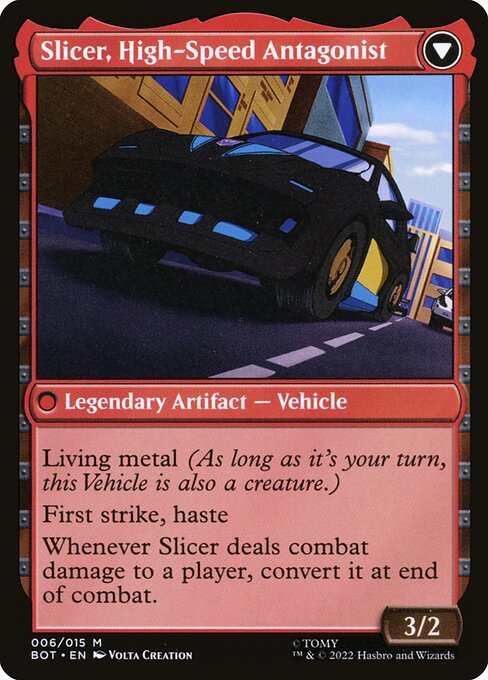
Voltron decks are for players who want the game to revolve around one protected attacker and the timing of each combat step. This strategy wants to build one creature, usually a commander, using equipment and auras for power, evasion, and protection, to win through 21 commander damage on each opponent. Unlike Tokens or Aggro, Voltron does not spread pressure across many bodies, and unlike broad Equipment decks the gear is focused on one threat rather than a wider artifact engine. The best Voltron commanders make commander damage decks feel like a resource puzzle: suit up, connect, protect the threat, then rebuild if the table answers it.


Boros turns red-white aggression into equipment cost reducers, double strike, and extra combats.

Azorius pairs white auras with blue evasion and counterspells to keep one attacker connecting.

Selesnya supports aura Voltron with hexproof bodies, enchantment draw, and combat-sized growth.
Izzet uses prowess-style commanders, spell protection, and double strike to turn casts into damage.
Voltron decks excel through a specific playstyle and win conditions. Here's how they work:
✓ You choose one creature usually your commander and make each card support its attacks.
✓ You add equipment and auras that convert mana into power evasion and protection.
✓ You track commander damage for each opponent and pick attacks that can connect.
✓ You hold protection so removal and bounce do not reset your whole turn.
✓ You rebuild after answers by reusing equipment or recasting the commander.
✓ You close by removing players one at a time through oversized combat damage.
Adds ten power cheaply when equip cost reducers or instant-speed attachment effects are online.
Gives haste and hexproof so the suited creature can attack before removal catches up.
Turns a board of artifacts and enchantments into a large power boost.
Adds relevant protection and untaps lands so you can attack while keeping interaction available.
Turns spare mana into an unblockable commander damage attack from a land slot.
Voltron is approachable because the plan is visible on one creature and the commander gives the deck a reliable focal point. The main skill is sequencing attacks, protection, and rebuilds so you do not spend every resource into one answer. It suits players who enjoy combat math, clear pressure, and commander damage as a win route.
Equipment can support many bodies; Voltron commits the gear to one commander damage threat.
Counters spreads permanent growth; Voltron stacks temporary and reusable buffs on one attacker.
Aura Voltron uses enchantments for damage; Enchantress uses them as a draw engine.
Infect can use one attacker too, but it wins through ten poison instead of commander damage.
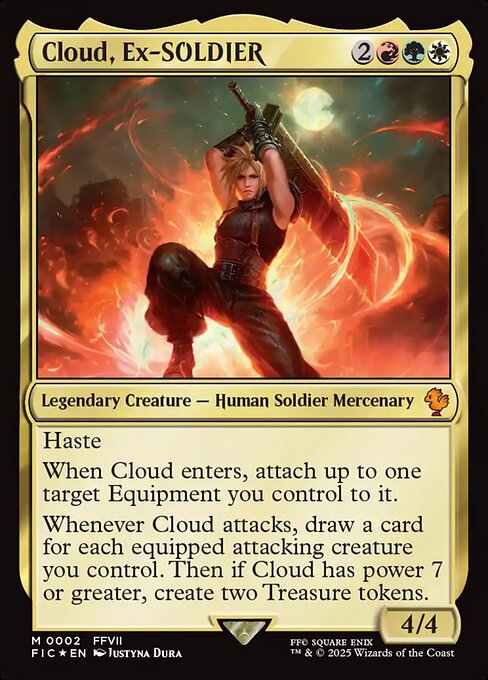
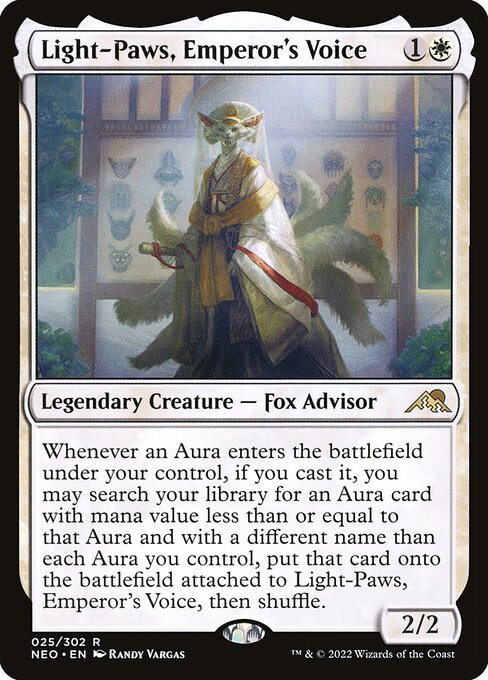
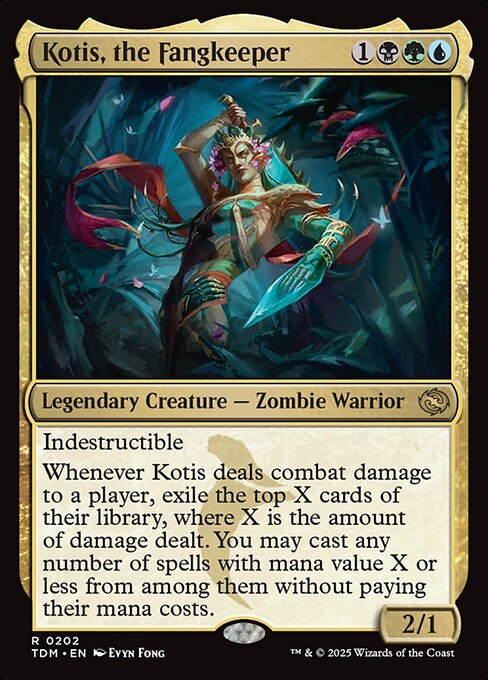

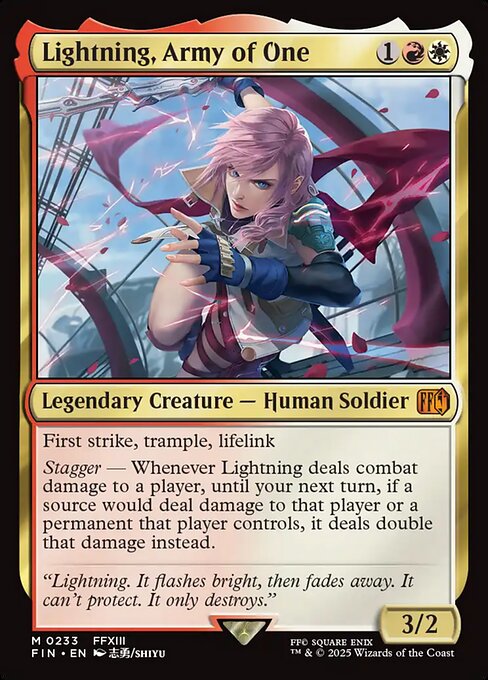
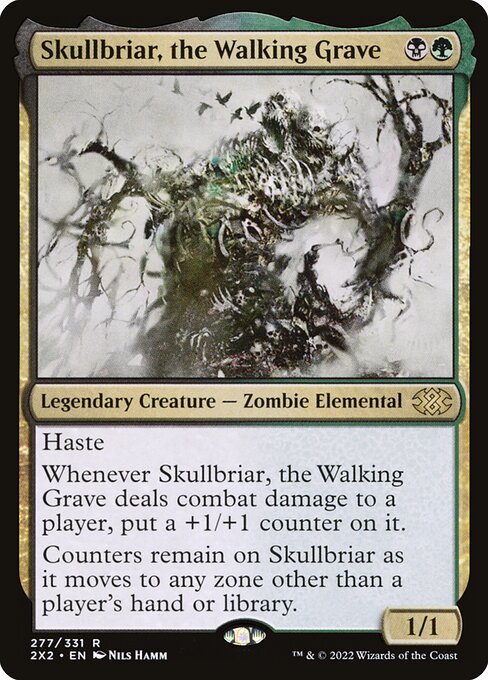
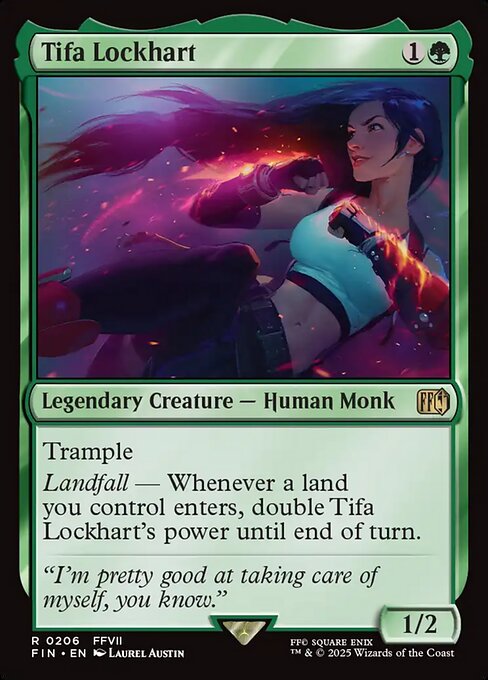
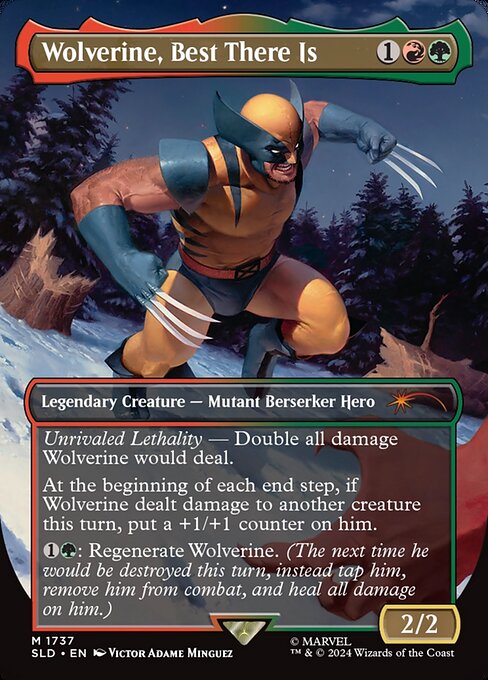
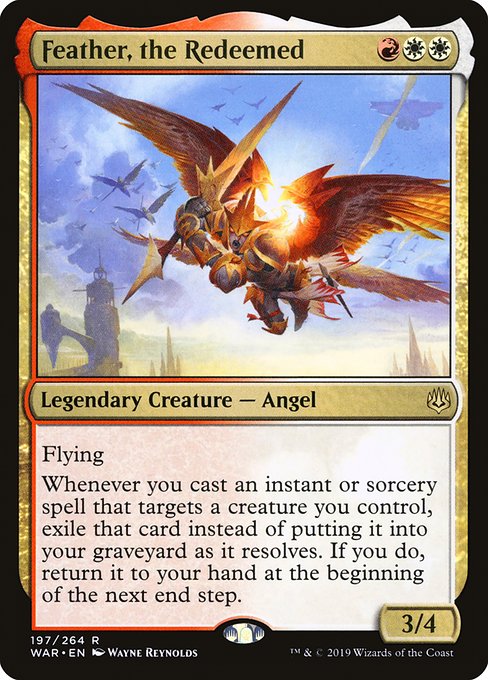
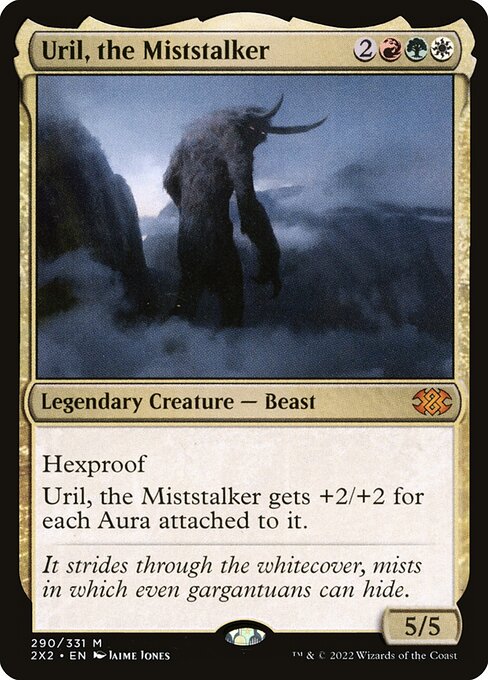
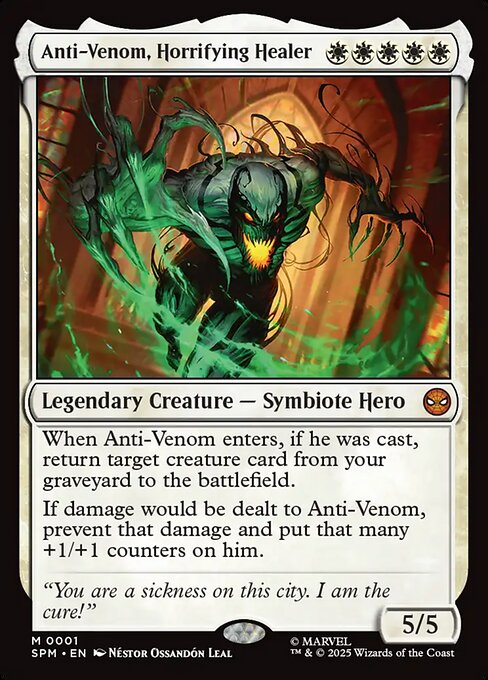
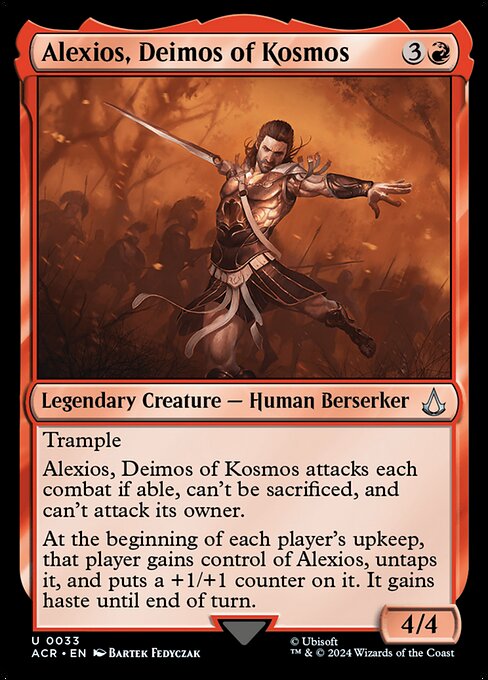
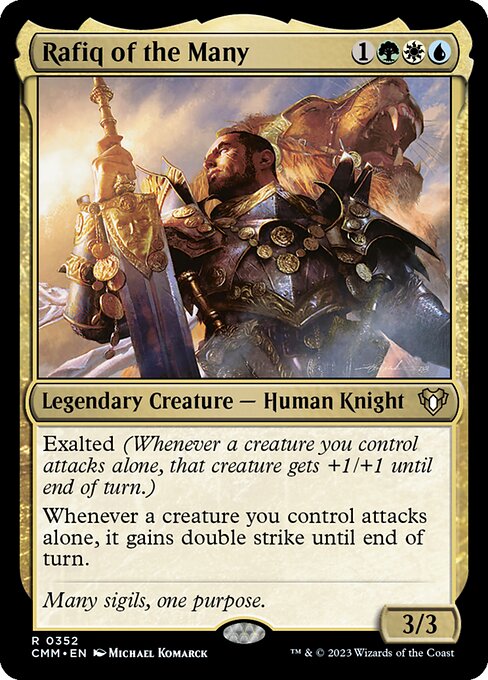
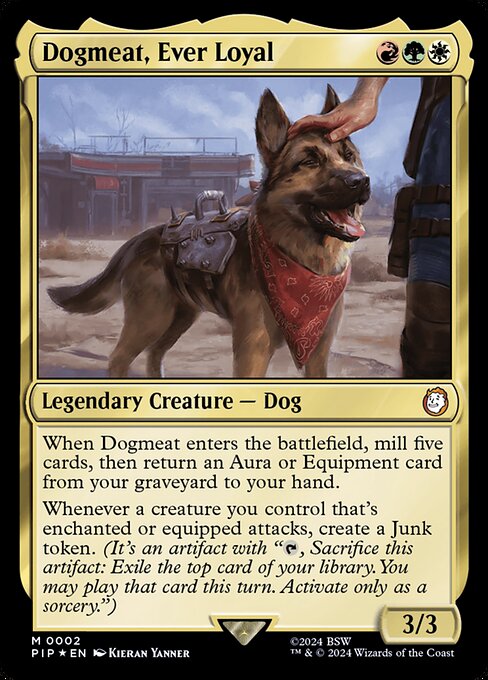
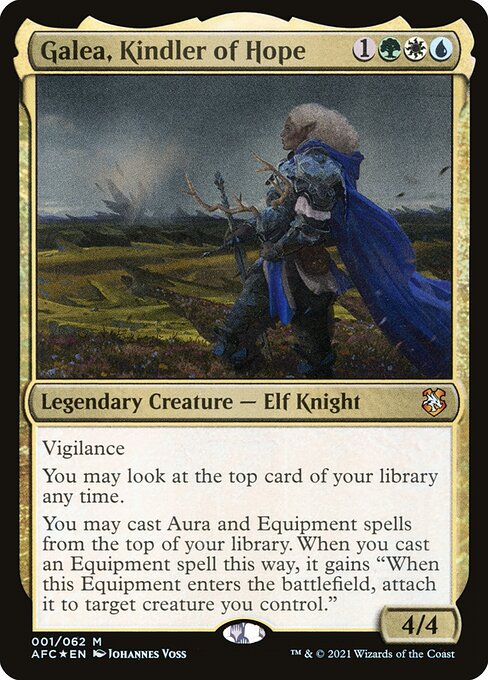
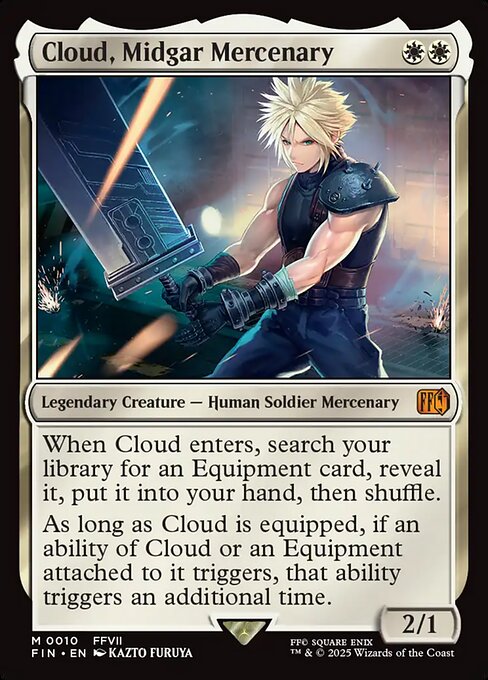
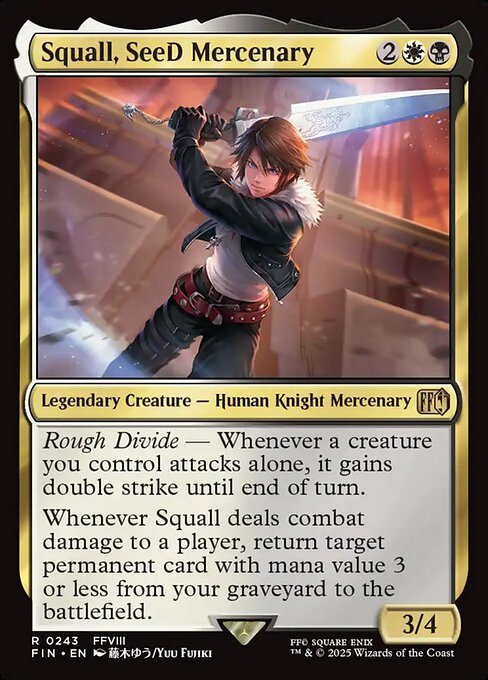
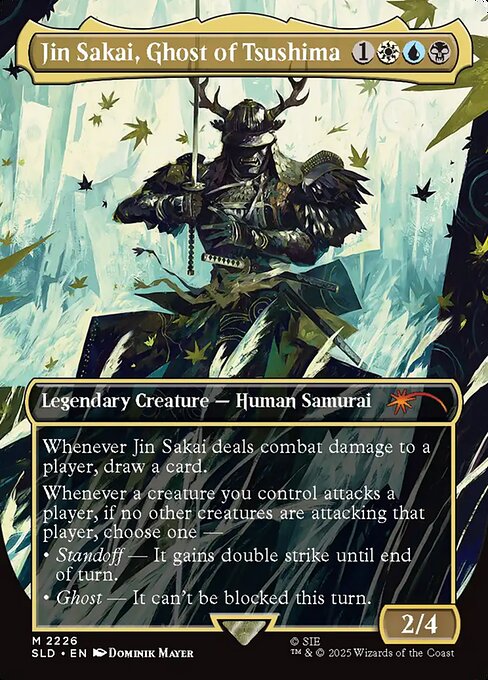

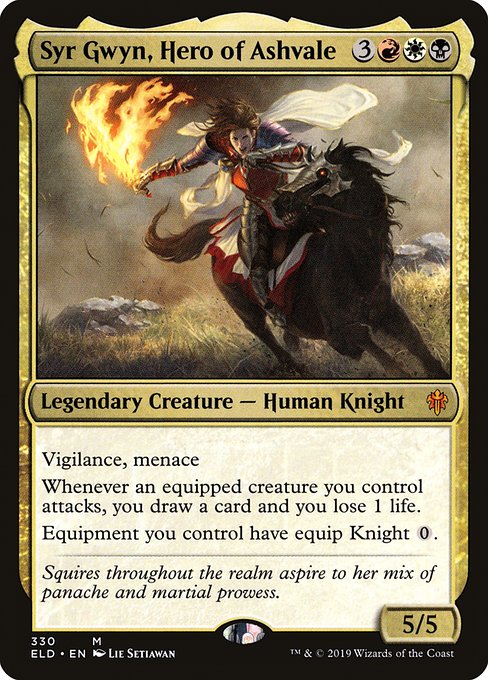
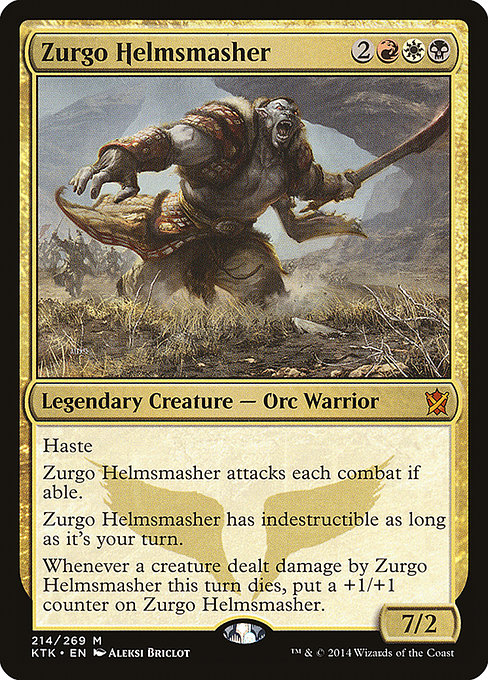
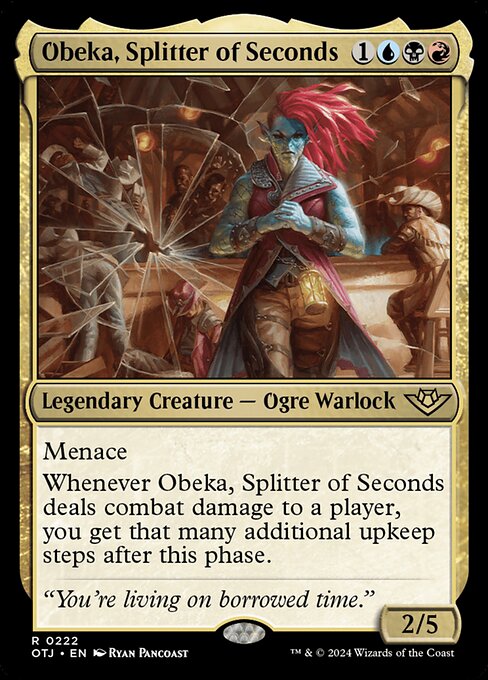
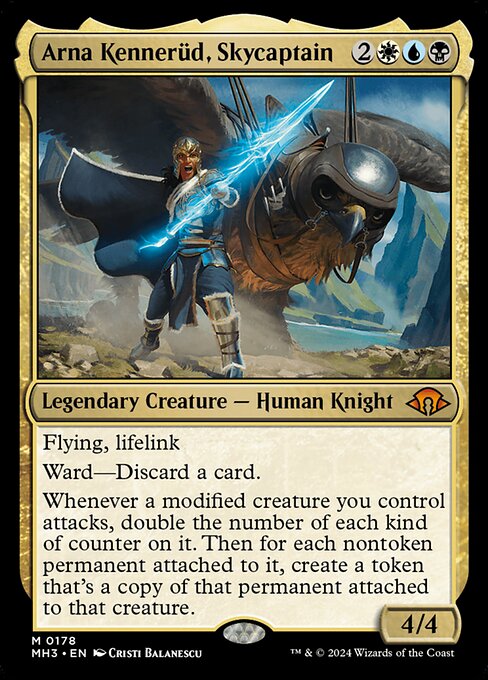
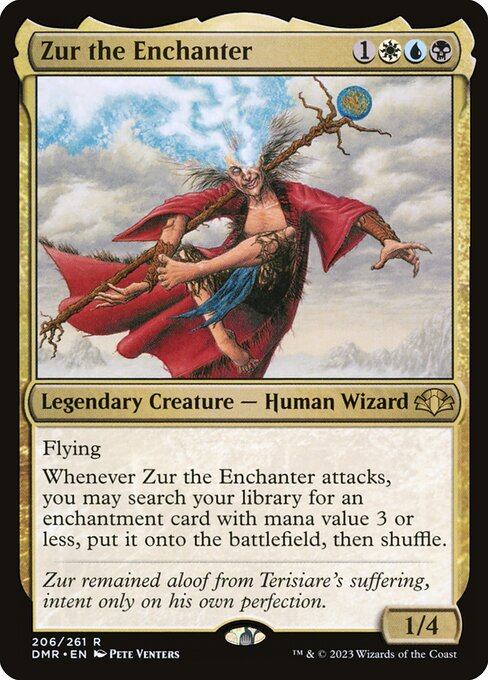
The best voltron commanders typically provide consistent access to the strategy's core mechanics. Look for commanders that you choose one creature usually your commander and make each card support its attacks.
Voltron decks win through a combination of Colossus Hammer, Swiftfoot Boots, All That Glitters, and other synergistic pieces that voltron decks are for players who want the game to revolve around one protected attacker and the timing of each combat step.
Boros turns red-white aggression into equipment cost reducers, double strike, and extra combats. However, Azorius pairs white auras with blue evasion and counterspells to keep one attacker connecting.
Voltron puts most resources into one creature, so repeated removal and commander tax can exhaust its mana. Sacrifice edicts and mass bounce can answer the threat without targeting through hexproof or protection. The deck often removes players one at a time, which gives the rest of the table time to coordinate. Aura-heavy builds can lose several cards when the creature dies, making rebuilds harder than equipment builds.