Aggro decks are for players who want to commit threats early, attack often, and make combat math matter every turn. This strategy wants to pressure all opponents with efficient attackers, using anthems, haste, attack triggers, extra combats, and aggro commanders, to win through repeated combat damage before slower engines stabilize. In Commander that still means pushing through 120 total damage, so go-wide aggro EDH decks need refueling and scaling damage rather than only fast starts. Aggro differs from Tokens because it focuses on attacking with the bodies, from Voltron because it spreads pressure across many creatures, and from Infect because it deals life-total damage instead of poison.


Boros stacks anthems, haste, extra combats, protection, and attack-trigger payoffs like battle cry.

Gruul brings haste, larger bodies, trample, and ramp that deploys multiple attackers per turn.

Mardu adds removal, drain, token pressure, and doubled attack triggers for resilient combat turns.
Mono-red offers cheap creatures, haste, impulse draw, extra combats, and burn for weakened opponents.
Aggro decks excel through a specific playstyle and win conditions. Here's how they work:
✓ You deploy cheap efficient creatures early and attack before engines stabilize.
✓ You spread pressure across opponents while tracking who can absorb the least damage.
✓ You use anthems haste and attack triggers to make small bodies scale.
✓ You chain extra combat steps when one board can convert into lethal damage.
✓ You refuel with combat draw or commander triggers because 120 damage requires more than a fast start.
Converts a wide board of shared creature types into scaling combat damage.
Adds repeatable combat steps so one board can attack multiple times.
Doubles attack triggers, improving raid, battle cry, and myriad payoffs.
Refills your hand when multiple attackers connect with opponents.
Gives your creatures haste so new attackers pressure immediately.
Aggro is beginner-friendly because the core plan is clear: play creatures, attack, and keep pressure on the right players. It can be built on a tight budget with cheap creatures, anthems, and combat draw. It suits players who enjoy proactive turns, table reading, and honest combat math.
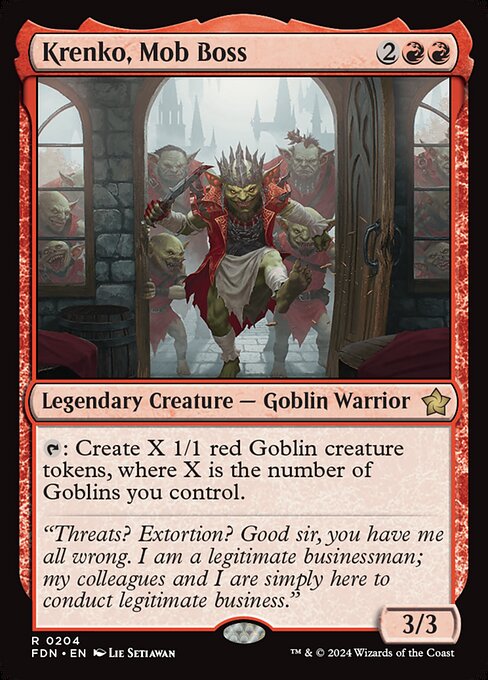
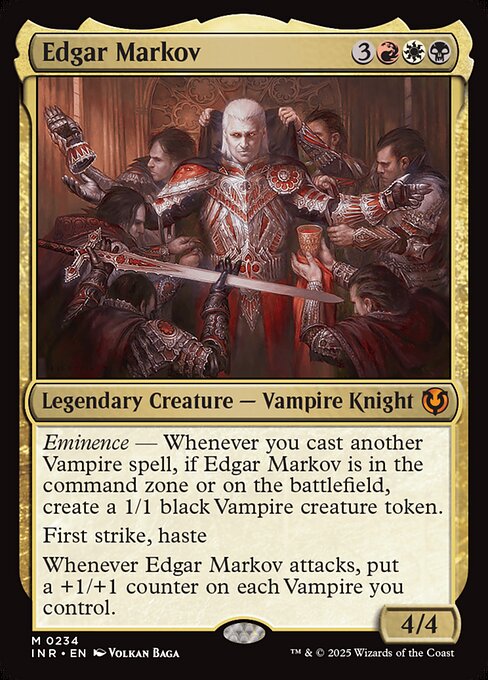

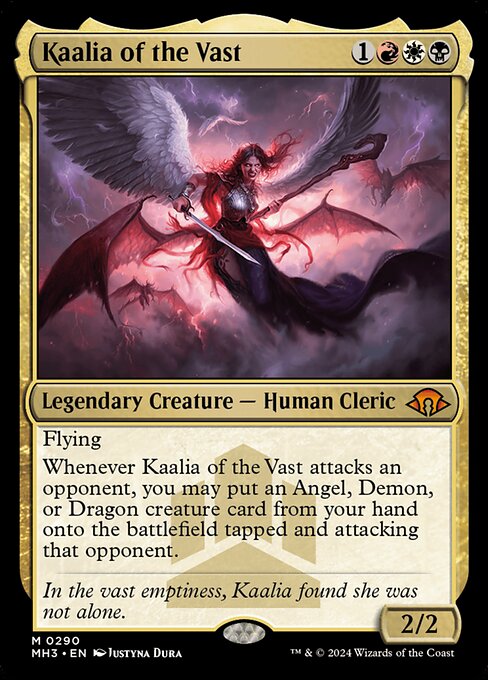
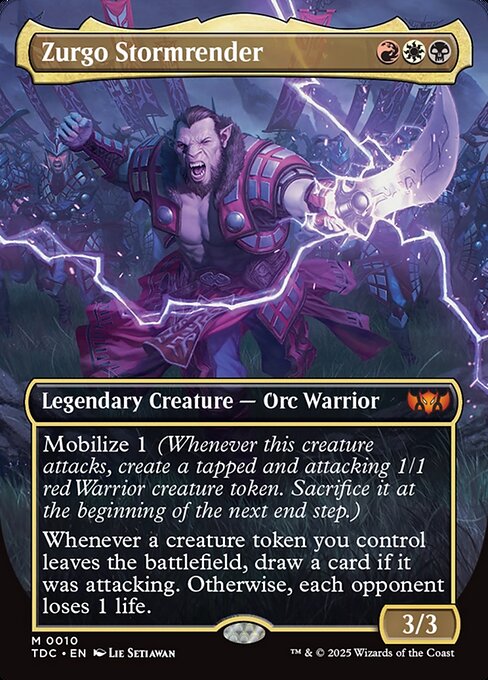
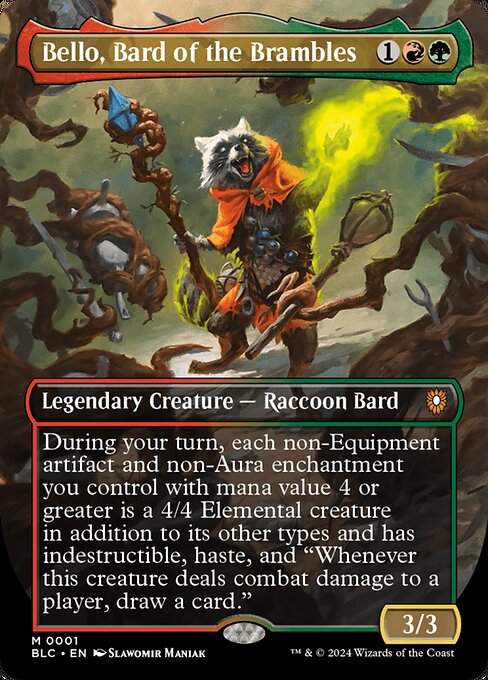
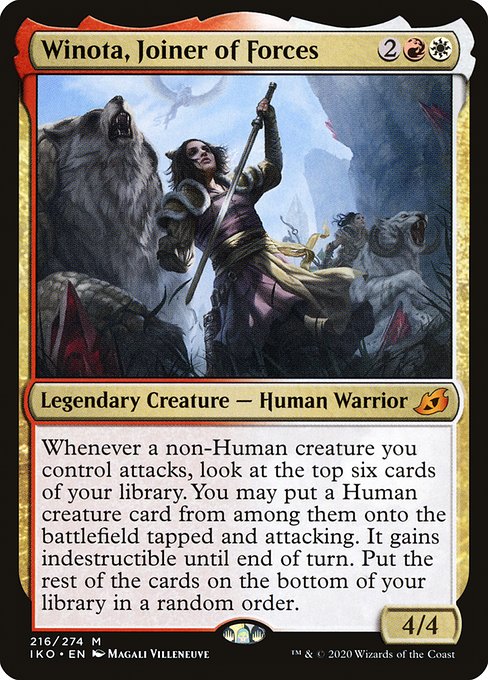
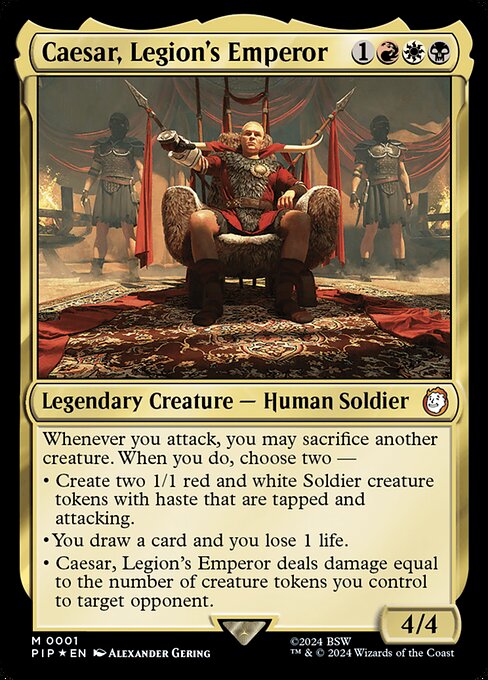
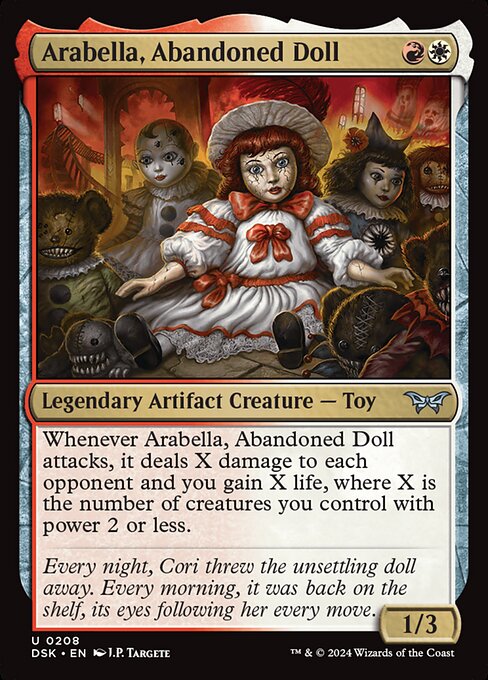
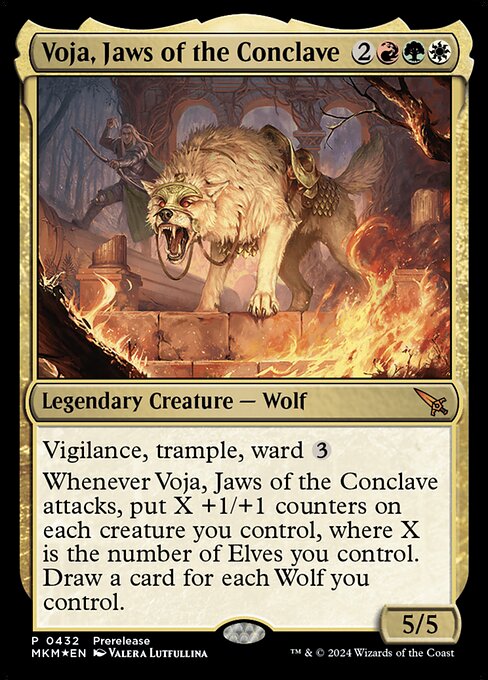
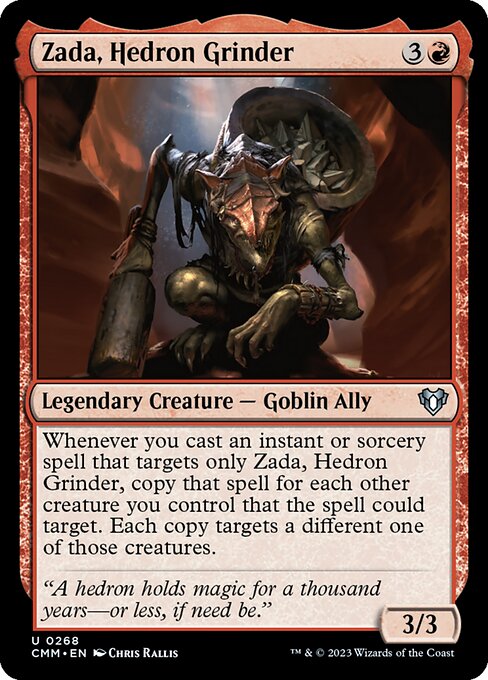
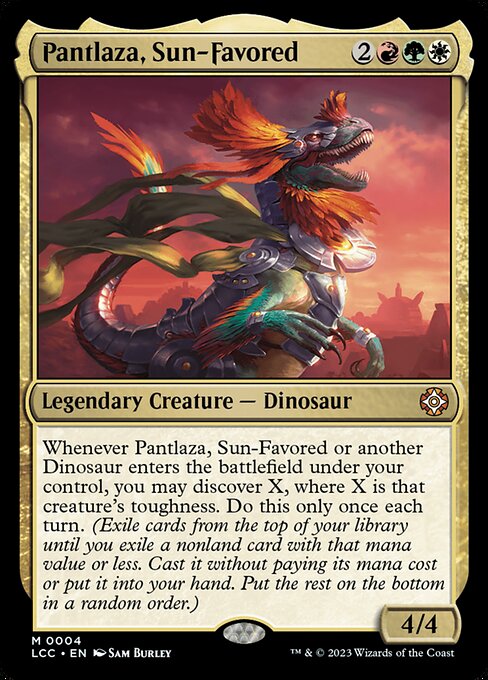
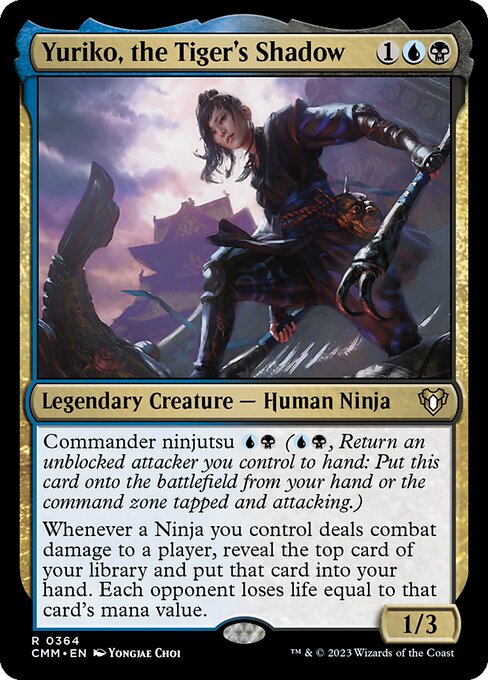
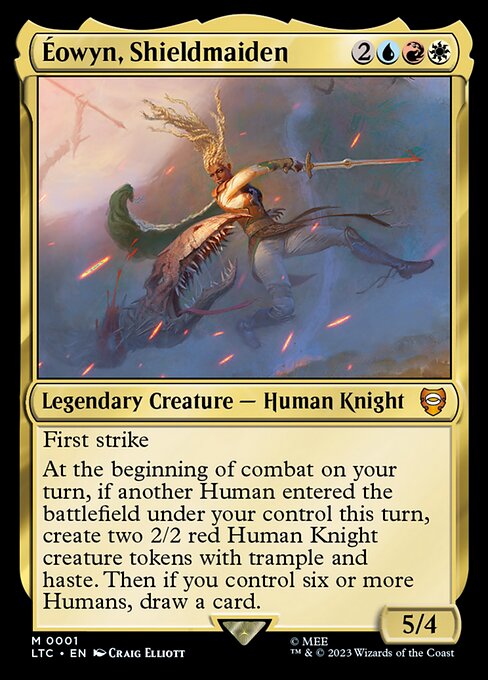
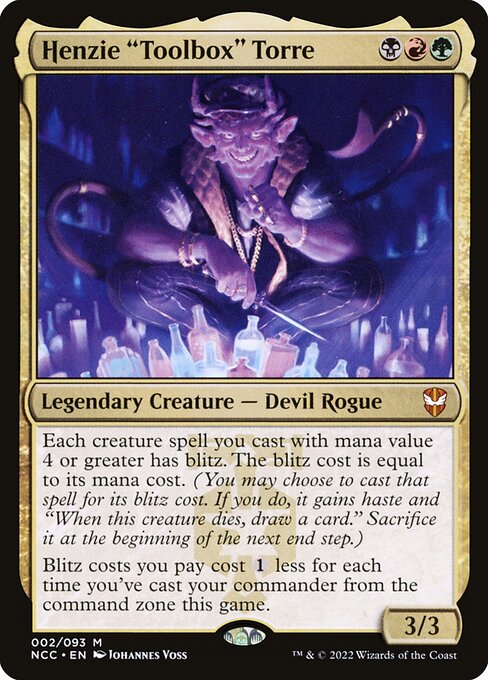
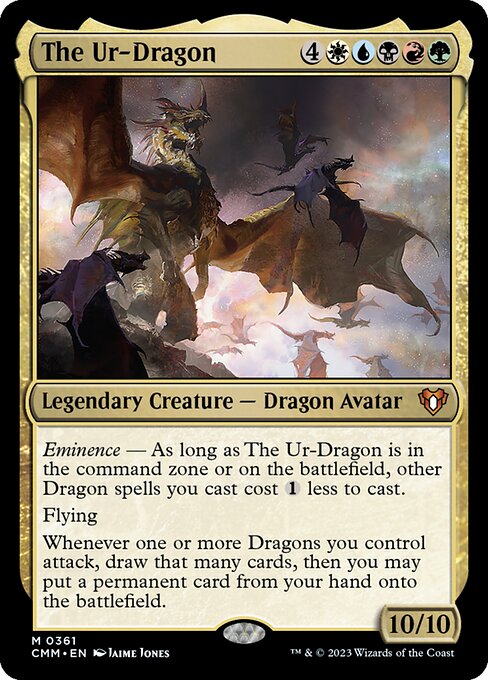
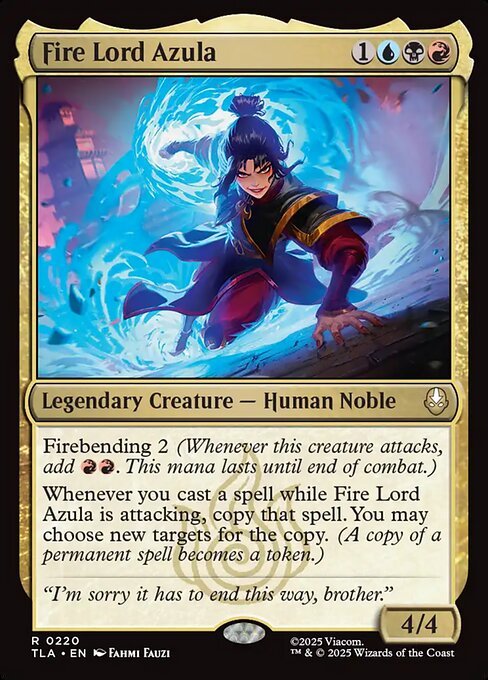
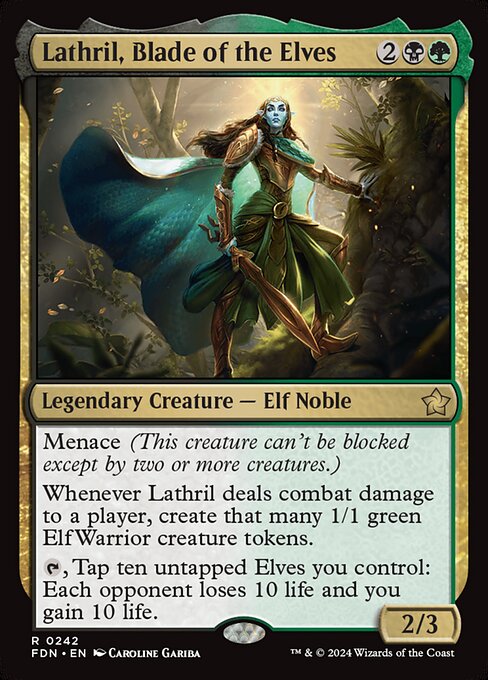
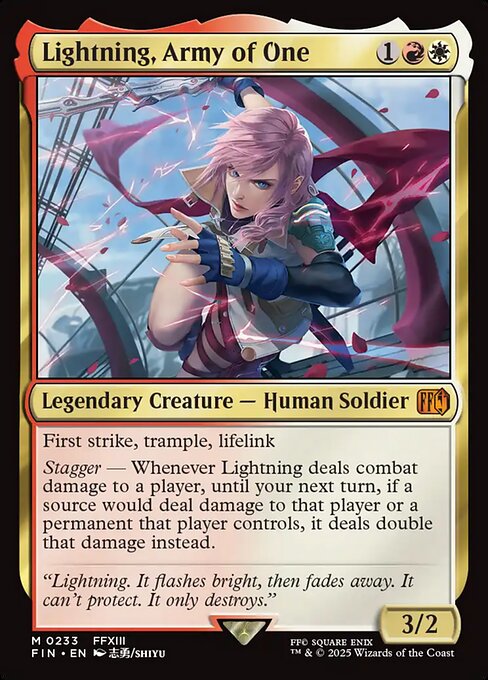
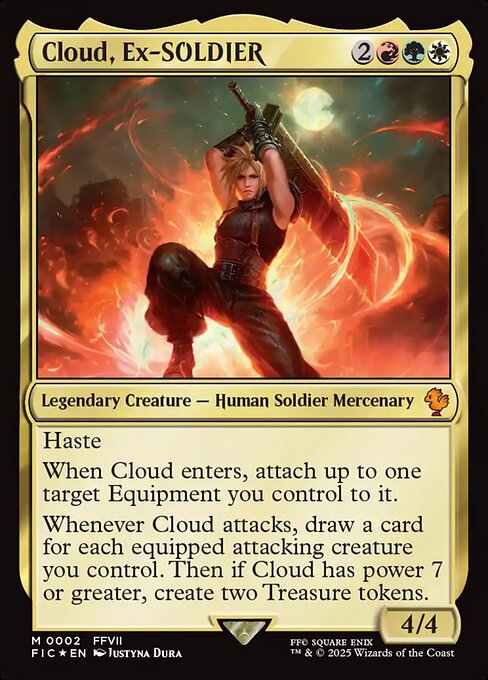
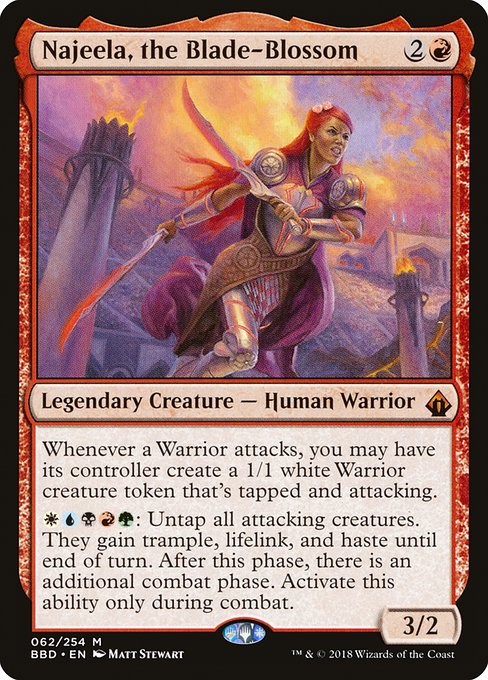
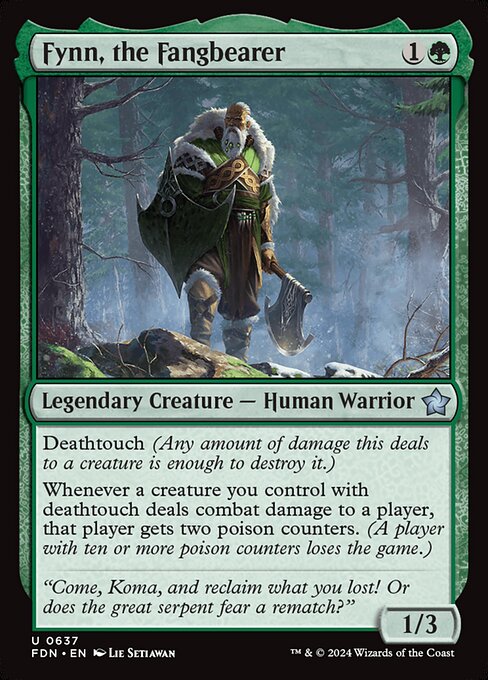
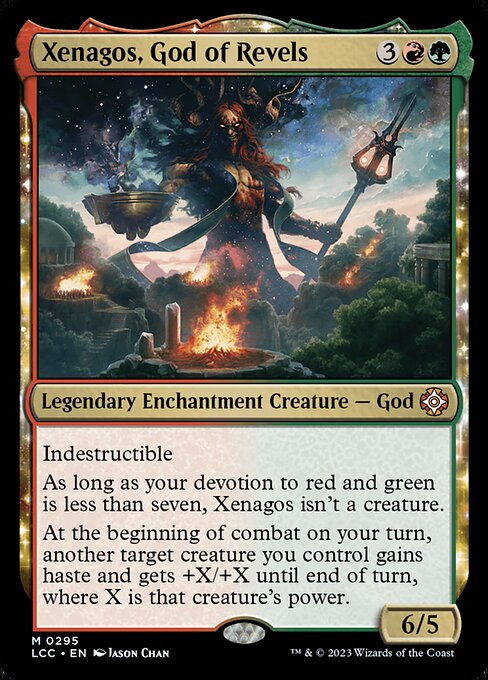
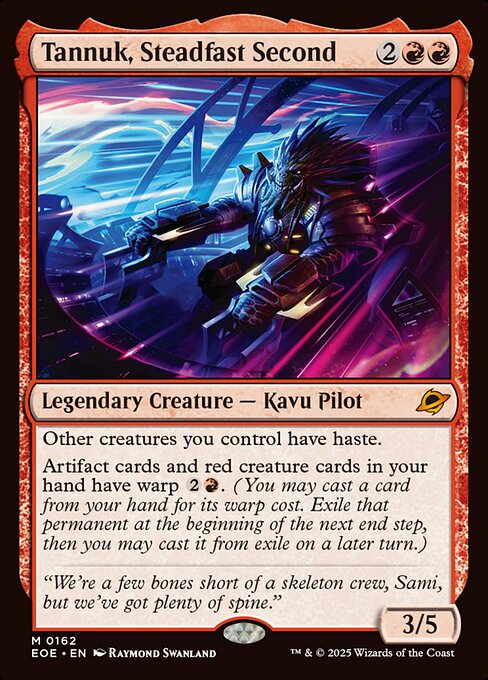
The best aggro commanders typically provide consistent access to the strategy's core mechanics. Look for commanders that you deploy cheap efficient creatures early and attack before engines stabilize.
Aggro decks win through a combination of Shared Animosity, Aggravated Assault, Isshin, Two Heavens as One, and other synergistic pieces that aggro decks are for players who want to commit threats early, attack often, and make combat math matter every turn.
Boros stacks anthems, haste, extra combats, protection, and attack-trigger payoffs like battle cry. However, Gruul brings haste, larger bodies, trample, and ramp that deploys multiple attackers per turn.
Board wipes can erase several turns of development with one card, so overextending is a constant risk. Dealing 120 total damage across three opponents means the deck can run out of gas without dedicated refueling. Pillow-fort and lifegain decks can outlast early pressure and take over once the game goes long. Late-game topdecks can be weak because cheap attackers lose impact as the table develops.