


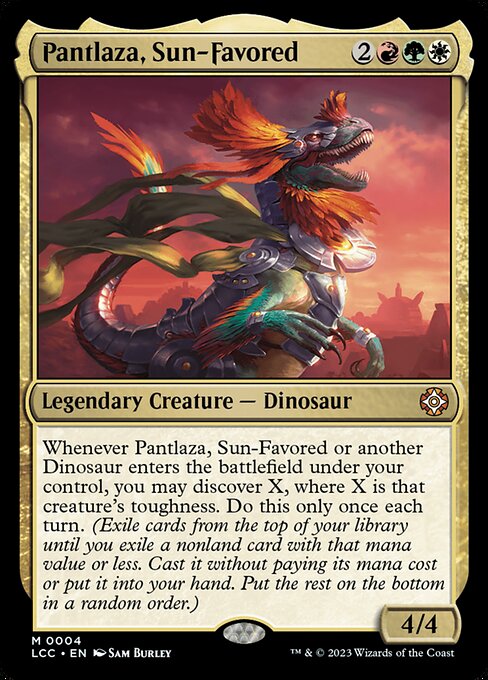
Pantlaza, Sun-Favored
Color Identity



Details
Mana Value
5
Popularity
#270
of 3,466 commanders · via EDHREC
Card Text
Legendary Creature — Dinosaur
Whenever Pantlaza or another Dinosaur you control enters, you may discover X, where X is that creature's toughness. Do this only once each turn. (Exile cards from the top of your library until you exile a nonland card with that mana value or less. Cast it without paying its mana cost or put it into your hand. Put the rest on the bottom in a random order.)
4/4
Playstyle
Midrange · Steady · Minimal interaction · Wins by combat
- Aggression
- 3 of 5
- Speed
- 2 of 5
- Interaction
- 1 of 5
- Combat
- 4 of 5
- Engine
- 4 of 5
- Complexity
- 4 of 5
Card Price
Strategy Guides
Ramp Strategy Guide
Ramp decks are for players who want to spend the early game accelerating so later turns happen ahead of schedule. This strategy wants to build more mana than the table, using mana ramp EDH staples, extra land drops, dorks, and rocks, to win through earlier threats, large spells, or a resource lead opponents must answer. Ramp is different from Landfall because acceleration is the point, and different from Big Mana because it is the engine rather than the payoff. The best ramp commanders reward extra mana sources while still giving you something meaningful to cast.
Blink Strategy Guide
Blink decks are for players who want every creature to matter more than once. This strategy wants to exile and return creatures with enter-the-battlefield effects, using blink commanders, flicker spells, and repeatable engines, to win through compounding value, protected threats, or trigger loops. Unlike Control, Blink handles the game through reusable creature triggers instead of mostly counterspells, and unlike Tokens it may make bodies incidentally rather than going wide first. The best blink commanders make modest creatures convert into cards, removal, ramp, and rebuilt boards over several turns.
Aggro Strategy Guide
Aggro decks are for players who want to commit threats early, attack often, and make combat math matter every turn. This strategy wants to pressure all opponents with efficient attackers, using anthems, haste, attack triggers, extra combats, and aggro commanders, to win through repeated combat damage before slower engines stabilize. In Commander that still means pushing through 120 total damage, so go-wide aggro EDH decks need refueling and scaling damage rather than only fast starts. Aggro differs from Tokens because it focuses on attacking with the bodies, from Voltron because it spreads pressure across many creatures, and from Infect because it deals life-total damage instead of poison.
Combo Strategy Guide
Combo decks are for players who enjoy finding a narrow line, protecting it, and ending the game with specific cards working together. This strategy wants to assemble combo commanders, tutors, draw, and compact two-card or three-card packages, using infinite combos or deterministic loops, to win in one decisive moment. Unlike Spellslinger it is not paid for every spell cast, unlike Storm it does not need a long chain turn, and unlike Big Mana it does not rely on casting one enormous payoff. The best combo decks EDH players build balance speed with enough interaction to survive the table's disruption.
Appears in These Collections
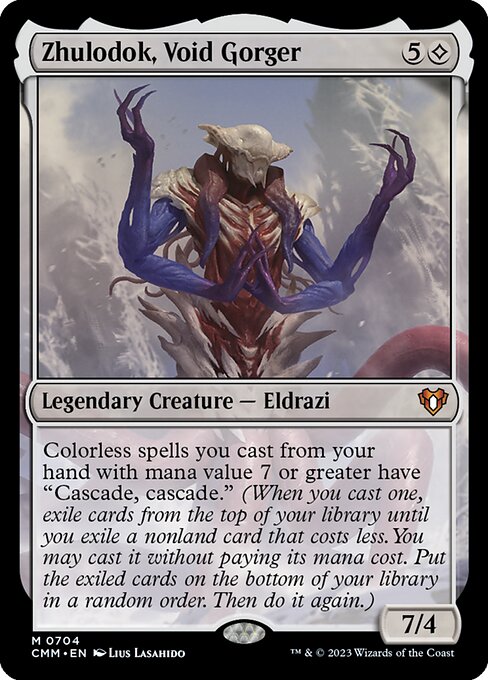
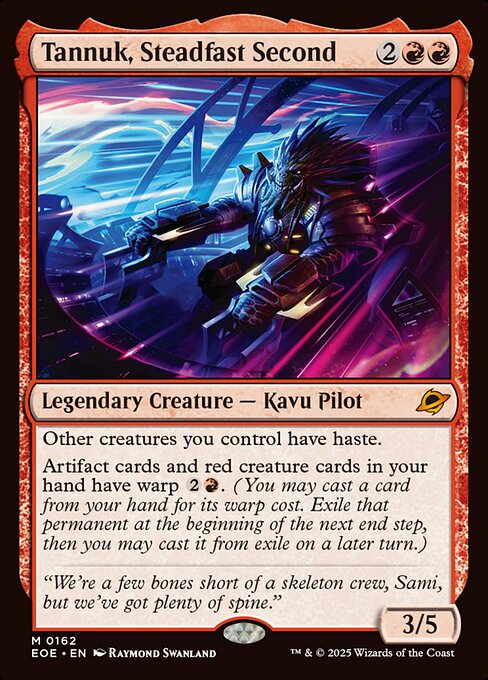
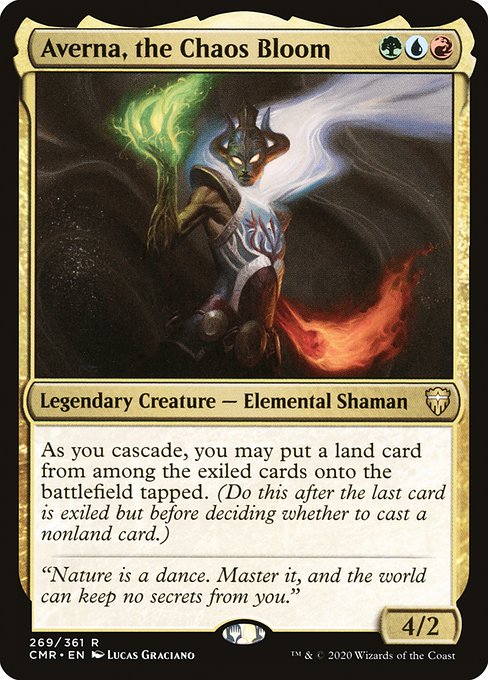
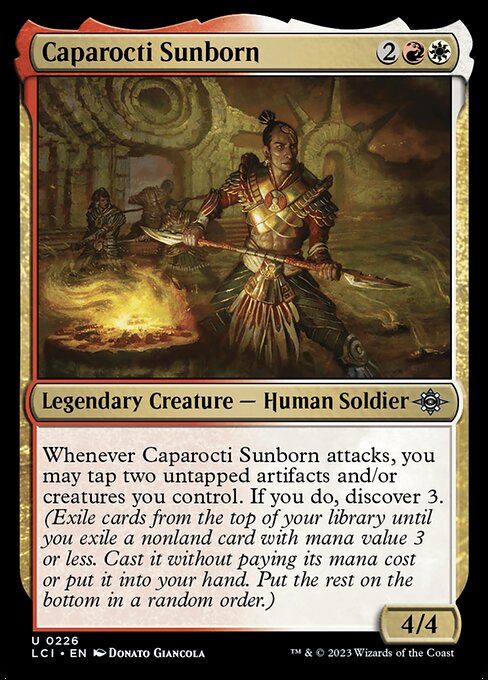
Similar Commanders

Popular Commanders
| # | Commander | Identity | Strategy | Price |
|---|---|---|---|---|
| 01 | 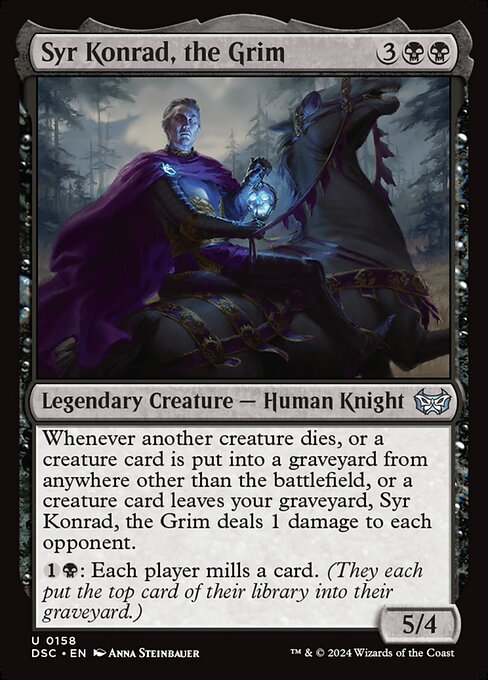 Syr Konrad, the Grim Syr Konrad, the Grim |  | Mill | $1.76 |
| 02 | 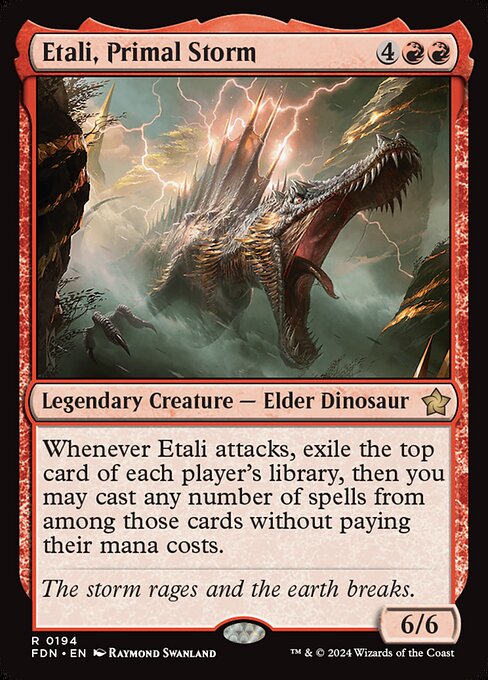 Etali, Primal Storm Etali, Primal Storm | | Extra Combats | $0.66 |
| 03 | 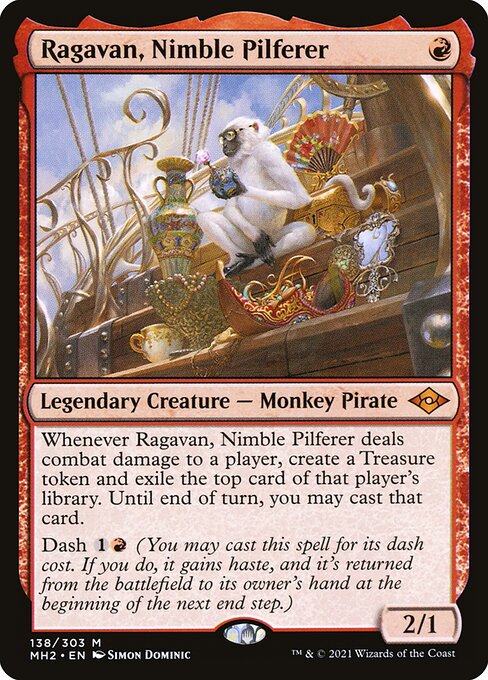 Ragavan, Nimble Pilferer Ragavan, Nimble Pilferer | | Treasure | $41.73 |
| 04 | 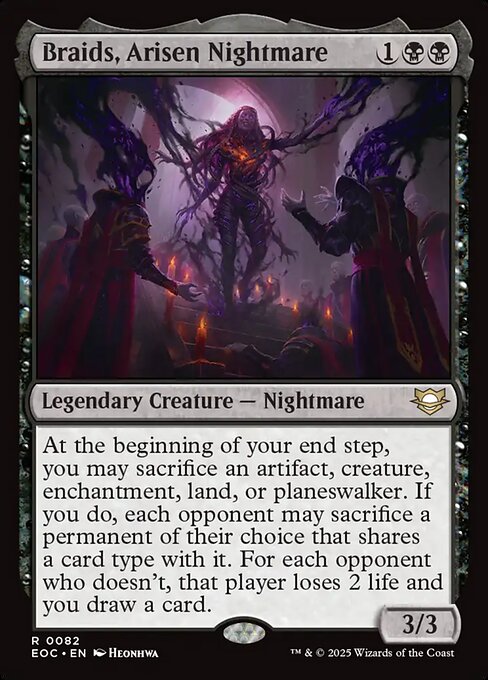 Braids, Arisen Nightmare Braids, Arisen Nightmare | | Aristocrats | $4.61 |
| 05 | 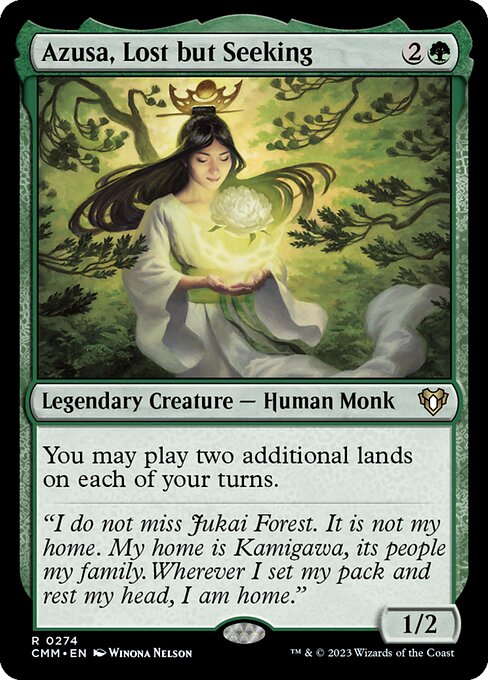 Azusa, Lost but Seeking Azusa, Lost but Seeking | | Lands Matter | $13.07 |
| 06 | 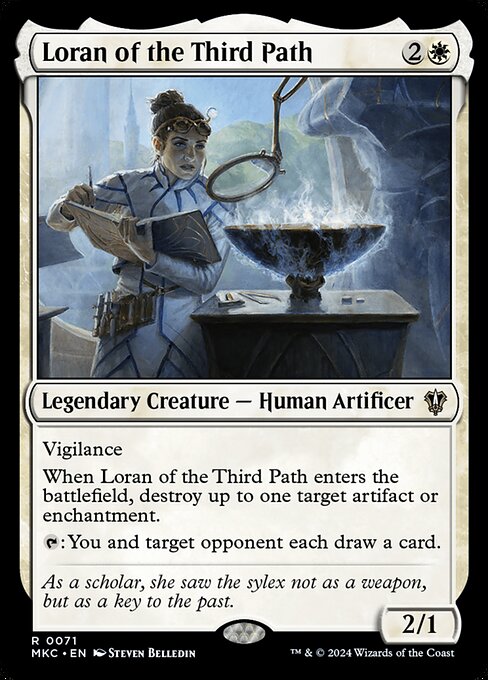 Loran of the Third Path Loran of the Third Path | | Group Hug | $7.26 |
| 07 | 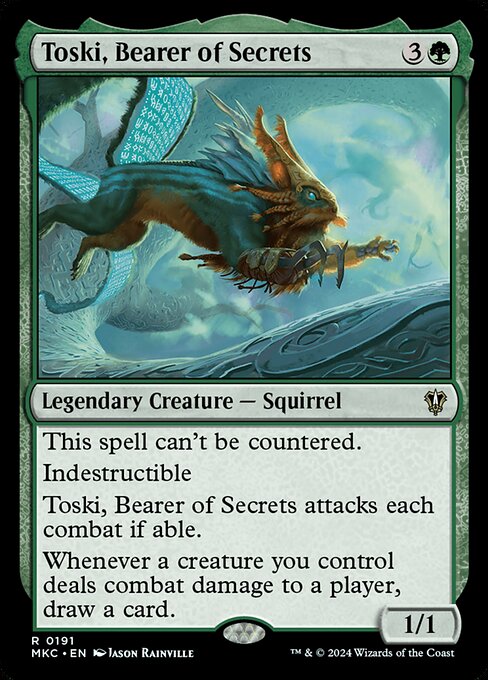 Toski, Bearer of Secrets Toski, Bearer of Secrets | | Equipment | $7.99 |
| 08 | 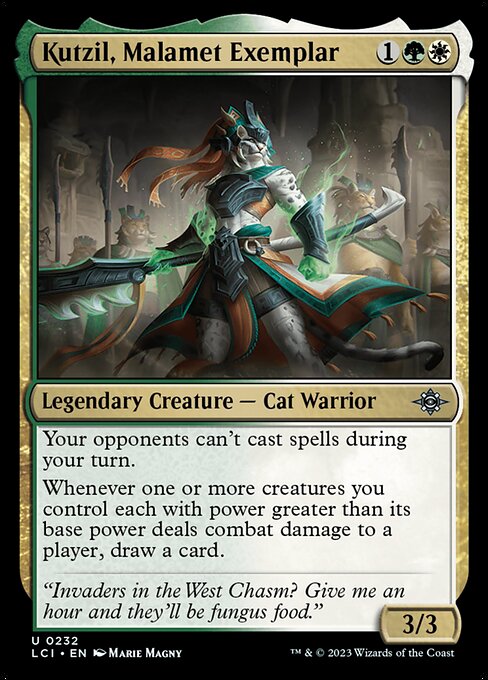 Kutzil, Malamet Exemplar Kutzil, Malamet Exemplar | | +1/+1 Counters | $2.70 |