


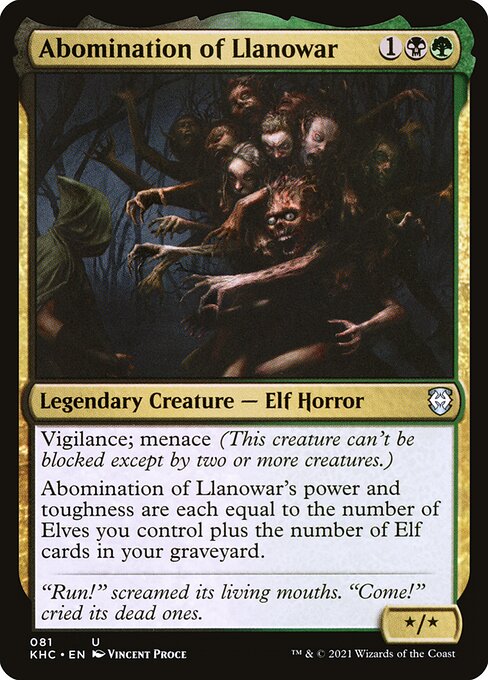
Abomination of Llanowar
Color Identity


Details
Mana Value
3
Popularity
#879
of 3,466 commanders · via EDHREC
Card Text
Legendary Creature — Elf Horror
Vigilance; menace (This creature can't be blocked except by two or more creatures.)
Abomination of Llanowar's power and toughness are each equal to the number of Elves you control plus the number of Elf cards in your graveyard.
*/*
Playstyle
Aggro · Steady · Minimal interaction · Wins by combat
- Aggression
- 4 of 5
- Speed
- 3 of 5
- Interaction
- 2 of 5
- Combat
- 5 of 5
- Engine
- 4 of 5
- Complexity
- 2 of 5
Card Price
Strategy Guides
Tokens Strategy Guide
Token decks are for players who want one card to become many bodies and then decide whether those bodies attack, block, draw cards, or fuel another engine. This strategy wants to flood the battlefield with creatures, using token commanders, repeatable generators, and anthem effects, to win through a go wide attack or by converting the swarm into damage, drain, or mana. Tokens is different from Aristocrats because making bodies comes first, from Counters because it grows wide instead of tall, and from Voltron because it spreads pressure across many creatures. The best token decks EDH players build reward patience against sweepers and careful timing on the finishing turn.
Voltron Strategy Guide
Voltron decks are for players who want the game to revolve around one protected attacker and the timing of each combat step. This strategy wants to build one creature, usually a commander, using equipment and auras for power, evasion, and protection, to win through 21 commander damage on each opponent. Unlike Tokens or Aggro, Voltron does not spread pressure across many bodies, and unlike broad Equipment decks the gear is focused on one threat rather than a wider artifact engine. The best Voltron commanders make commander damage decks feel like a resource puzzle: suit up, connect, protect the threat, then rebuild if the table answers it.
Graveyard Strategy Guide
Graveyard decks are for players who want every discarded, milled, or destroyed card to remain part of the game plan. This strategy wants to stock the graveyard, using self-mill, discard outlets, sacrifice, and dredge-style cards, to win by recurring threats, lands, and value pieces until opponents run out of clean answers. Unlike Reanimator, graveyard value decks EDH players build are not centered on one huge creature arriving early, and unlike Mill they use self-mill as fuel rather than treating libraries as the main target. The best graveyard commanders turn the graveyard into a steady resource engine that can rebuild after removal.
Mill Strategy Guide
Mill decks are for players who want to pressure a different resource: the cards left in each library. This strategy wants to put cards from libraries into graveyards, using repeatable mill commanders, doublers, and self-mill engines, to win by emptying opponents' decks or by converting stocked graveyards into value. Unlike Reanimator, Mill is not mainly trying to cheat one creature into play, and unlike Graveyard value it treats milling as the weapon or fuel source rather than the recursion engine itself. The best mill decks EDH players build respect the multiplayer math by multiplying output, protecting engines, or turning every milled card into another resource.
Appears in These Collections
Similar Commanders
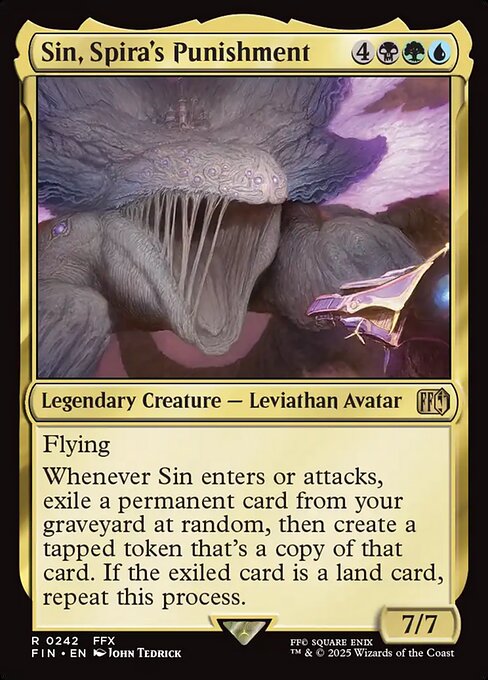
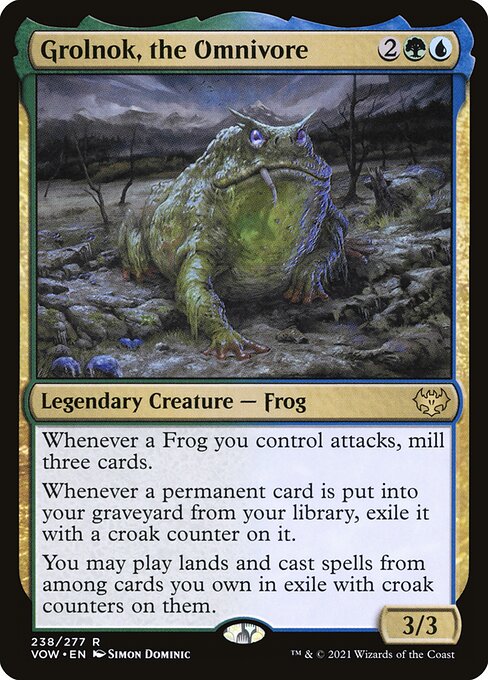
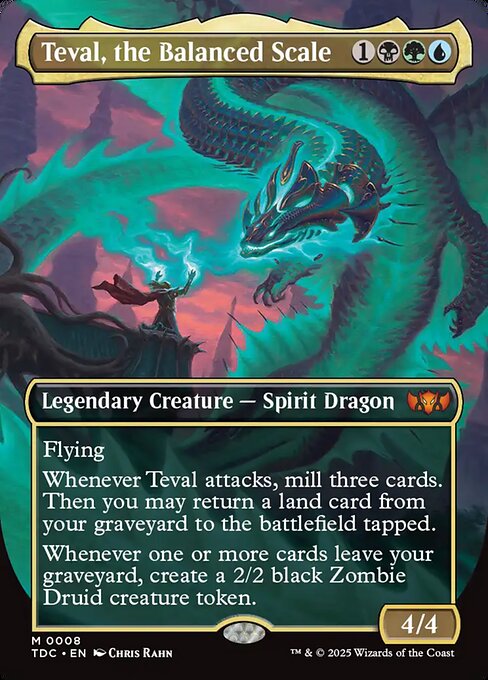
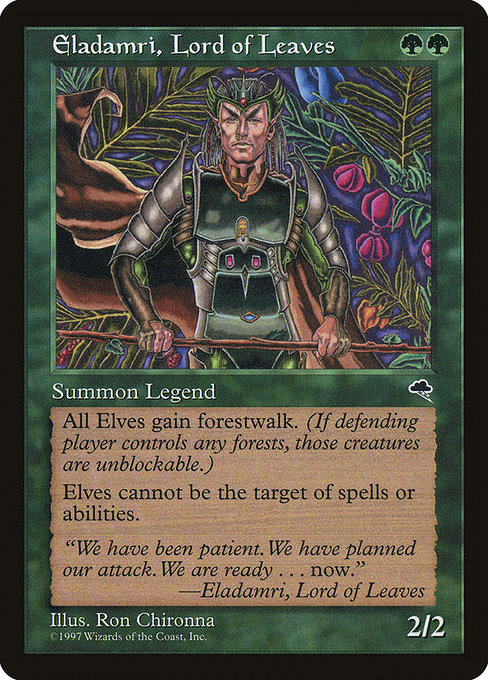
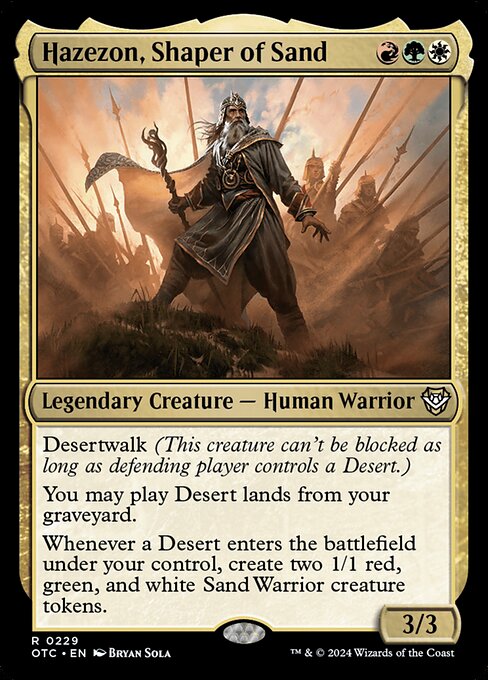
Popular Commanders
| # | Commander | Identity | Strategy | Price |
|---|---|---|---|---|
| 01 | 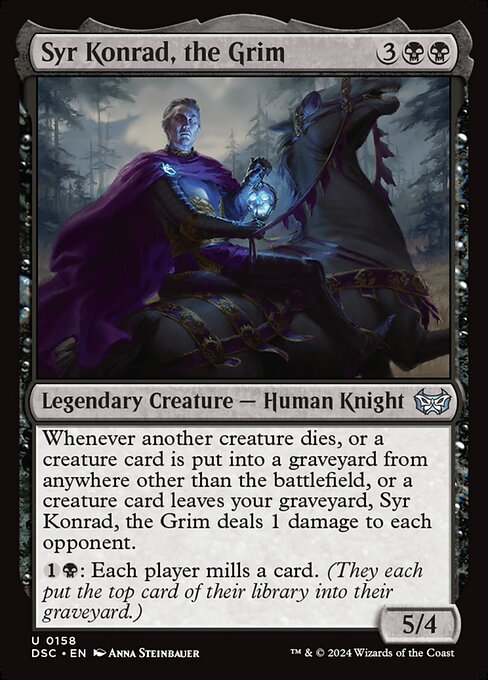 Syr Konrad, the Grim Syr Konrad, the Grim | | Mill | $1.76 |
| 02 | 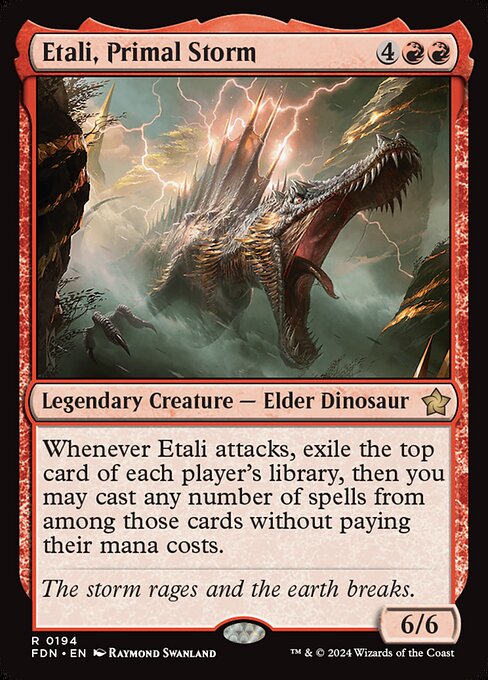 Etali, Primal Storm Etali, Primal Storm |  | Extra Combats | $0.66 |
| 03 | 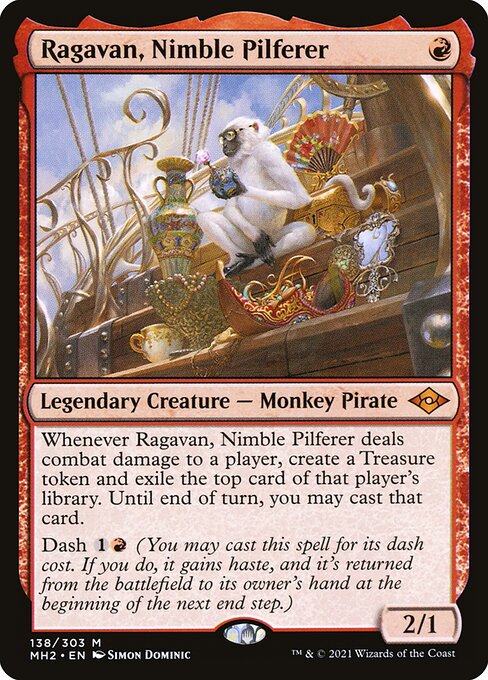 Ragavan, Nimble Pilferer Ragavan, Nimble Pilferer | | Treasure | $41.73 |
| 04 | 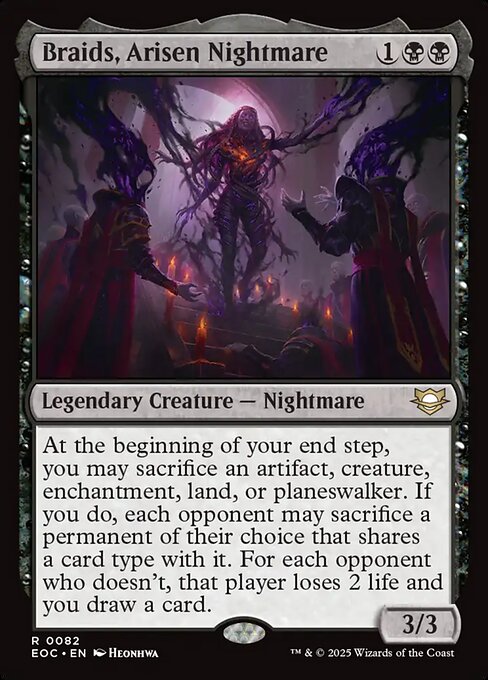 Braids, Arisen Nightmare Braids, Arisen Nightmare | | Aristocrats | $4.61 |
| 05 | 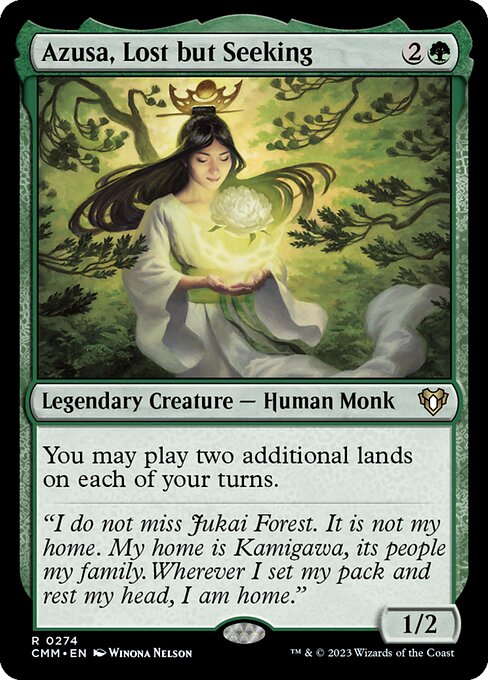 Azusa, Lost but Seeking Azusa, Lost but Seeking | | Lands Matter | $13.07 |
| 06 | 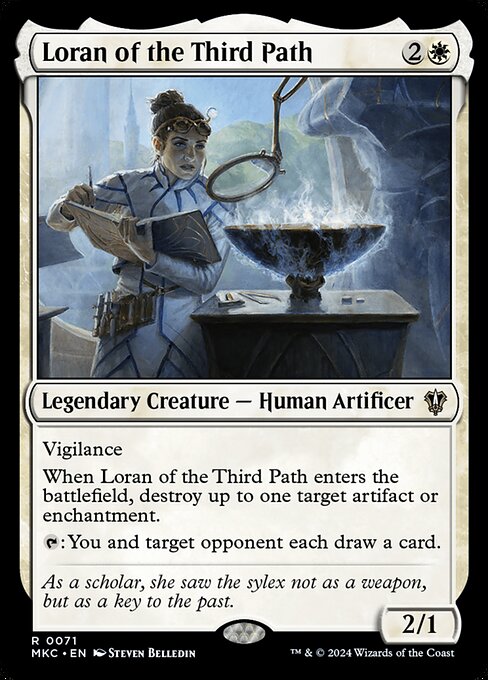 Loran of the Third Path Loran of the Third Path |  | Group Hug | $7.26 |
| 07 | 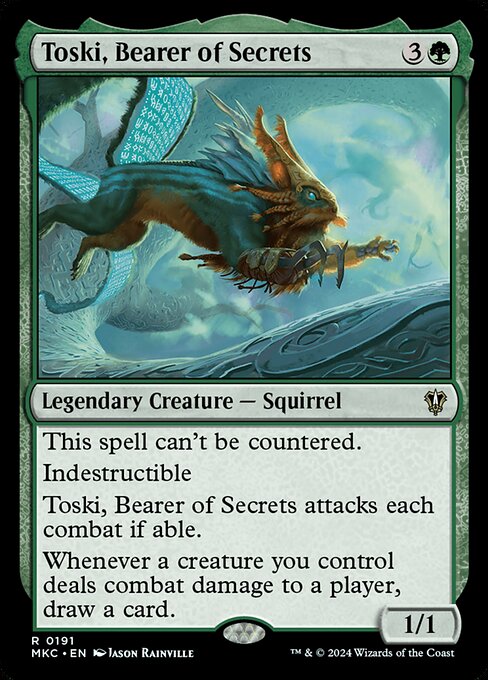 Toski, Bearer of Secrets Toski, Bearer of Secrets | | Equipment | $7.99 |
| 08 | 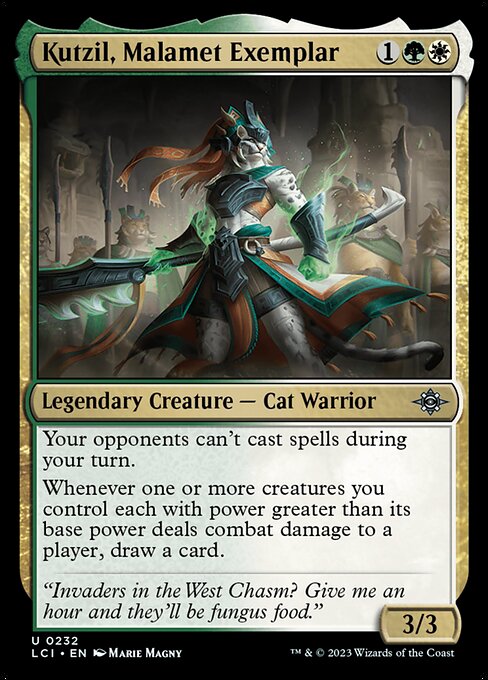 Kutzil, Malamet Exemplar Kutzil, Malamet Exemplar | | +1/+1 Counters | $2.70 |