

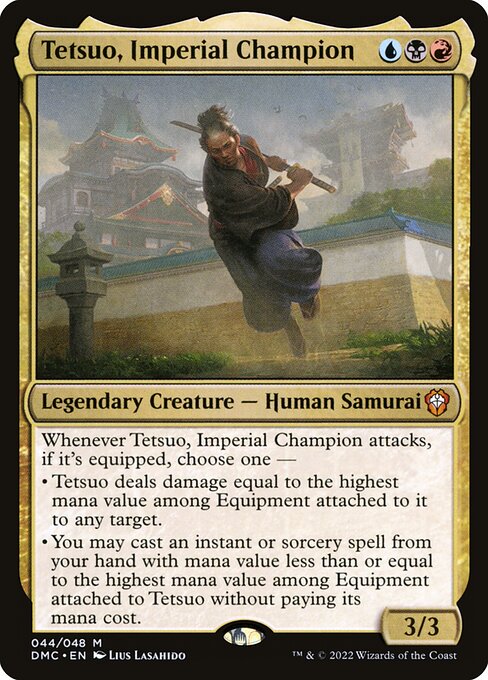
Tetsuo, Imperial Champion
Color Identity



Details
Mana Value
3
Popularity
#2,696
of 3,466 commanders · via EDHREC
Card Text
Legendary Creature — Human Samurai
Whenever Tetsuo attacks, if it's equipped, choose one —
• Tetsuo deals damage equal to the greatest mana value among Equipment attached to it to any target.
• You may cast an instant or sorcery spell from your hand with mana value less than or equal to the greatest mana value among Equipment attached to Tetsuo without paying its mana cost.
3/3
Playstyle
Aggro · Steady · Heavy interaction · Wins by combat
- Aggression
- 4 of 5
- Speed
- 3 of 5
- Interaction
- 3 of 5
- Combat
- 4 of 5
- Engine
- 4 of 5
- Complexity
- 4 of 5
Card Price
Tags
Strategy Guides
Equipment Strategy Guide
Equipment decks are for players who want the gear itself to be the engine, turning ordinary creatures into credible attackers. This strategy wants to assemble weapons, tutors, and equip-cost shortcuts, using equipment commanders that find or attach gear, to win through upgraded combat, commander damage, or a team carrying shared tools. Unlike Voltron, Equipment does not have to put every card on one creature, and unlike Artifacts it focuses on weapons rather than every artifact type. The best equipment decks EDH players build recover well after creature sweepers because the gear usually stays on the battlefield.
Voltron Strategy Guide
Voltron decks are for players who want the game to revolve around one protected attacker and the timing of each combat step. This strategy wants to build one creature, usually a commander, using equipment and auras for power, evasion, and protection, to win through 21 commander damage on each opponent. Unlike Tokens or Aggro, Voltron does not spread pressure across many bodies, and unlike broad Equipment decks the gear is focused on one threat rather than a wider artifact engine. The best Voltron commanders make commander damage decks feel like a resource puzzle: suit up, connect, protect the threat, then rebuild if the table answers it.
Spellslinger Strategy Guide
Spellslinger decks are for players who want each instant and sorcery to advance the board, refill the hand, or pressure life totals. This strategy wants to cast cheap spells across every turn cycle, using spellslinger commanders, magecraft payoffs, and copy effects, to win through accumulated damage, spell-made tokens, or card advantage. Unlike Storm, it does not need one huge chain turn, and unlike Combo it is not waiting for specific pieces to end the game at once. The best instants and sorceries decks reward steady sequencing and careful use of interaction.
Artifacts Strategy Guide
Artifact decks are for players who want cheap permanents, mana rocks, and utility pieces to become one connected engine. This strategy wants to build artifact count and mana density, using artifact commanders, cost reducers, Treasure, recursion, and untap effects, to win through construct armies, loops, or artifact payoffs. Unlike Equipment, it cares about every artifact rather than just weapons, and unlike Ramp it turns the mana rocks themselves into the engine instead of only casting bigger spells. The best artifact decks EDH players build reward careful sequencing because each small piece can convert the next piece into more mana or cards.
Appears in These Collections
Similar Commanders

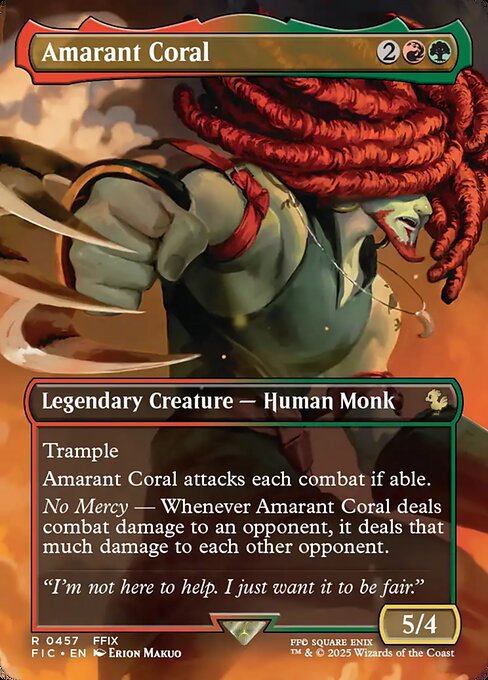
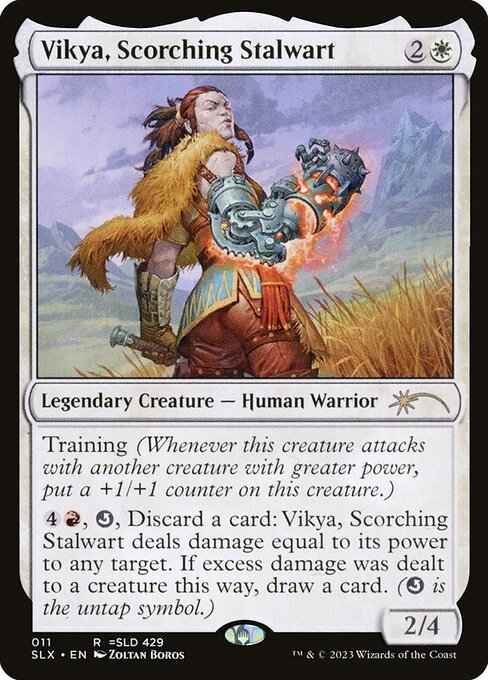
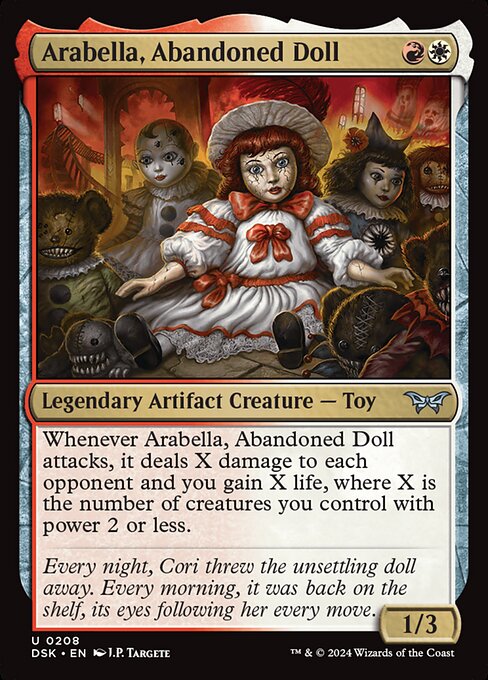
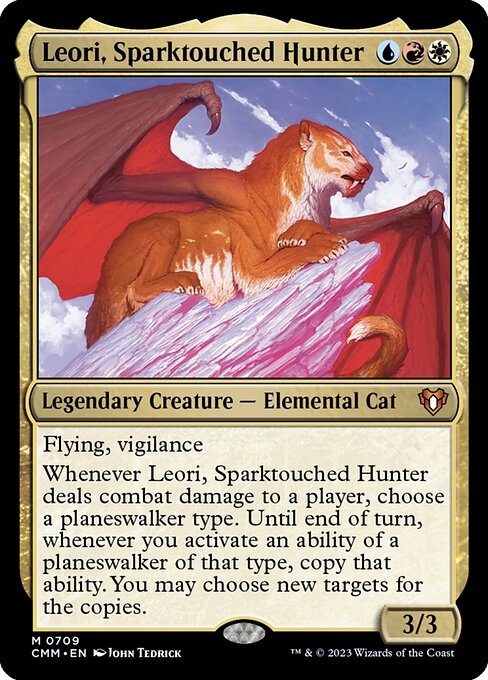
Popular Commanders
| # | Commander | Identity | Strategy | Price |
|---|---|---|---|---|
| 01 | 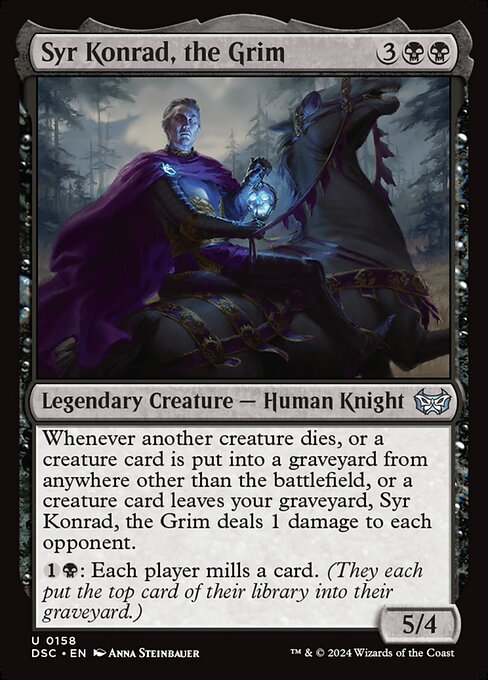 Syr Konrad, the Grim Syr Konrad, the Grim | | Mill | $1.76 |
| 02 | 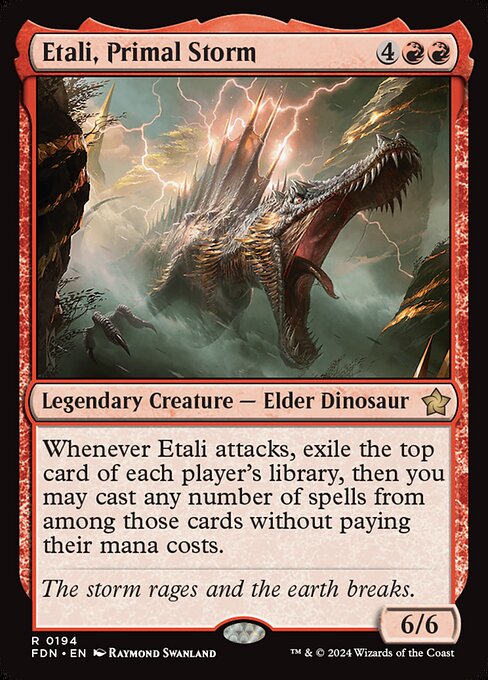 Etali, Primal Storm Etali, Primal Storm | | Extra Combats | $0.66 |
| 03 | 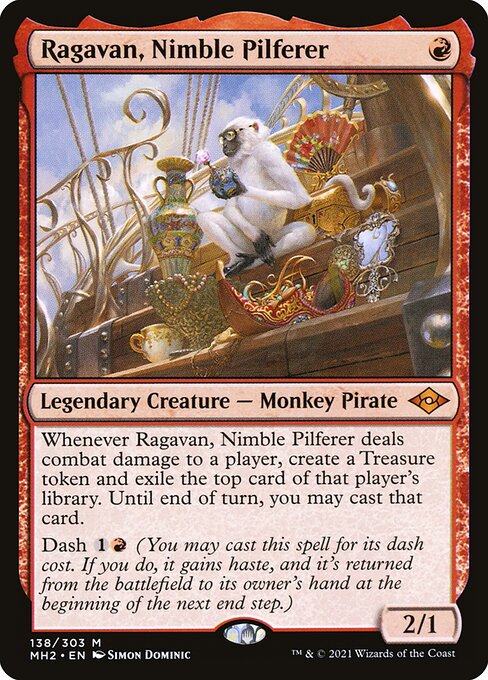 Ragavan, Nimble Pilferer Ragavan, Nimble Pilferer | | Treasure | $41.73 |
| 04 | 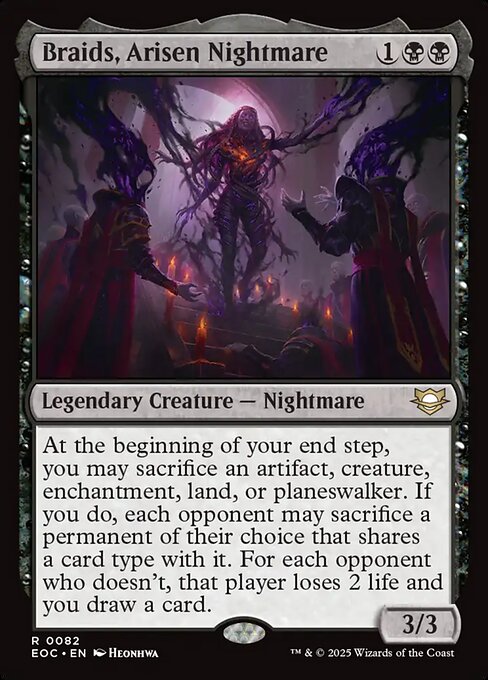 Braids, Arisen Nightmare Braids, Arisen Nightmare | | Aristocrats | $4.61 |
| 05 | 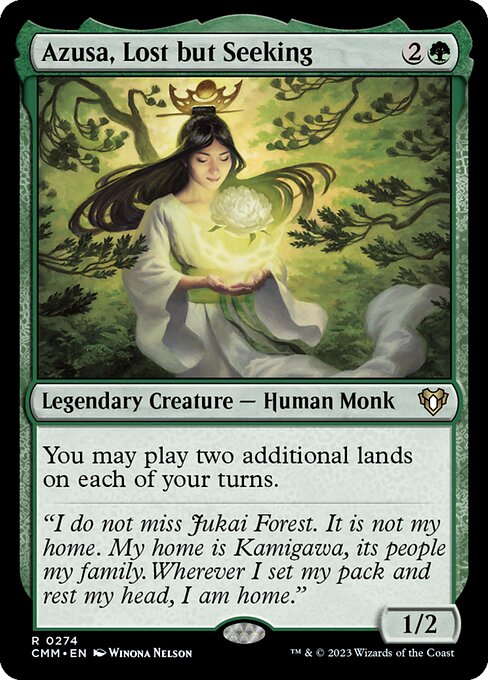 Azusa, Lost but Seeking Azusa, Lost but Seeking |  | Lands Matter | $13.07 |
| 06 | 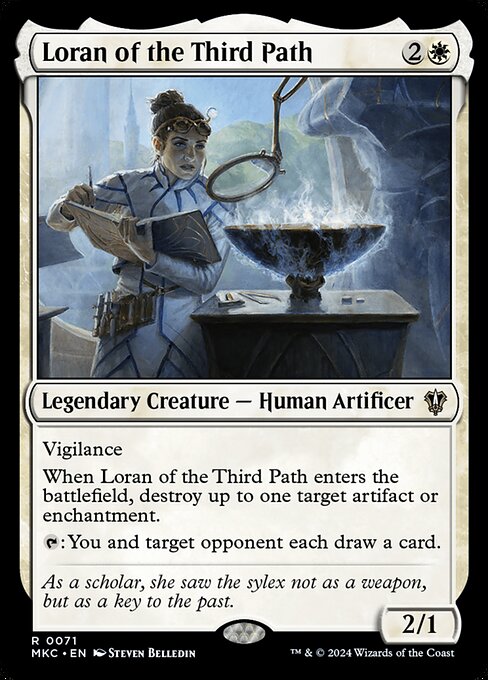 Loran of the Third Path Loran of the Third Path |  | Group Hug | $7.26 |
| 07 | 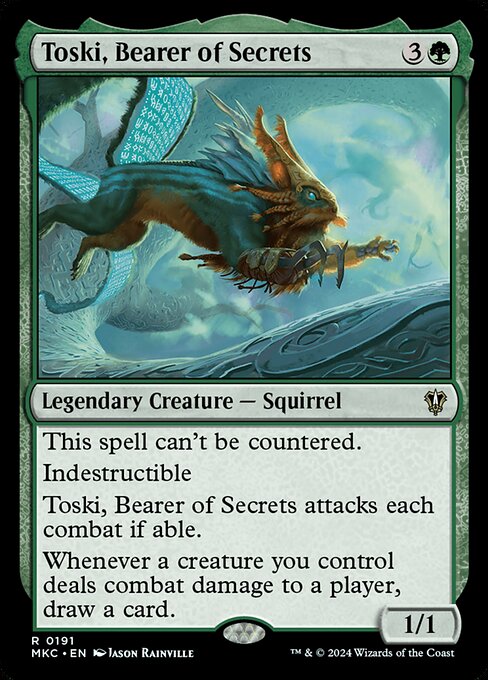 Toski, Bearer of Secrets Toski, Bearer of Secrets | | Equipment | $7.99 |
| 08 | 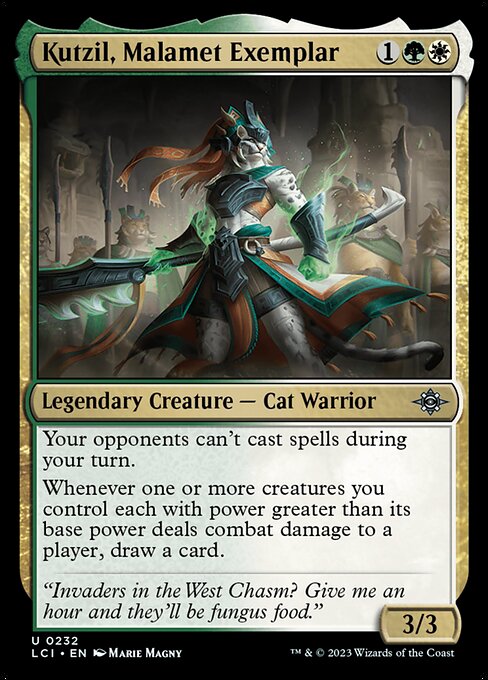 Kutzil, Malamet Exemplar Kutzil, Malamet Exemplar | | +1/+1 Counters | $2.70 |