


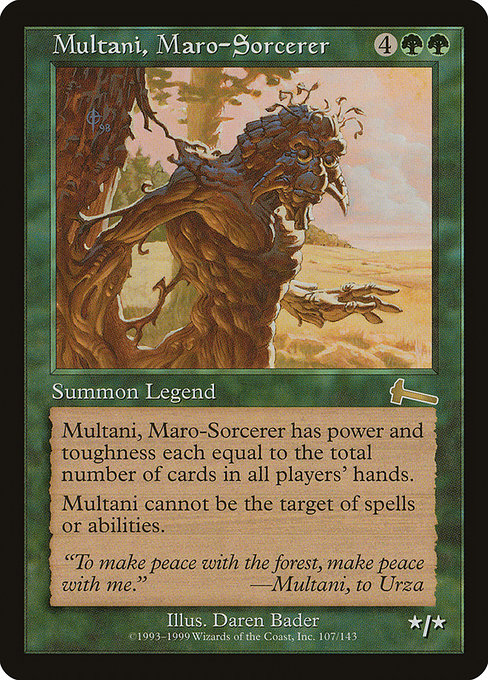
Multani, Maro-Sorcerer
Color Identity

Details
Mana Value
6
Popularity
#2,735
of 3,466 commanders · via EDHREC
Card Text
Legendary Creature — Elemental Sorcerer
Shroud (This creature can't be the target of spells or abilities.)
Multani's power and toughness are each equal to the total number of cards in all players' hands.
*/*
Playstyle
Midrange · Steady · Minimal interaction · Wins by combat
- Aggression
- 3 of 5
- Speed
- 2 of 5
- Interaction
- 3 of 5
- Combat
- 5 of 5
- Engine
- 2 of 5
- Complexity
- 2 of 5
Card Price
Strategy Guides
Group Hug Strategy Guide
Group Hug decks are for players who want table politics to matter as much as board position. This strategy wants to give everyone extra cards, lands, or mana, using group hug commanders and symmetrical resource effects, to win through political leverage, hidden payoffs, or a carefully timed finish. Unlike Lifegain, it does not make your own life total the engine; it gives resources away and tries to profit from who uses them. The best political decks EDH players remember are frank about the risk: your gifts can help the wrong player first.
Voltron Strategy Guide
Voltron decks are for players who want the game to revolve around one protected attacker and the timing of each combat step. This strategy wants to build one creature, usually a commander, using equipment and auras for power, evasion, and protection, to win through 21 commander damage on each opponent. Unlike Tokens or Aggro, Voltron does not spread pressure across many bodies, and unlike broad Equipment decks the gear is focused on one threat rather than a wider artifact engine. The best Voltron commanders make commander damage decks feel like a resource puzzle: suit up, connect, protect the threat, then rebuild if the table answers it.
Card Draw Strategy Guide
Card Draw decks are for players who want a full hand to be the engine, the protection, and eventually the win condition. This strategy wants to draw extra cards every turn, using card draw commanders, repeatable engines, wheels, and draw payoffs, to win through card advantage EDH plans such as damage triggers, stocked interaction, or superior late-game resources. Unlike Control, it is not only answering threats, and unlike Spellslinger it cares about the draw event more than the spell cast. The best card draw commanders either refill you directly or convert each extra card into pressure.
Ramp Strategy Guide
Ramp decks are for players who want to spend the early game accelerating so later turns happen ahead of schedule. This strategy wants to build more mana than the table, using mana ramp EDH staples, extra land drops, dorks, and rocks, to win through earlier threats, large spells, or a resource lead opponents must answer. Ramp is different from Landfall because acceleration is the point, and different from Big Mana because it is the engine rather than the payoff. The best ramp commanders reward extra mana sources while still giving you something meaningful to cast.
Appears in These Collections
Similar Commanders


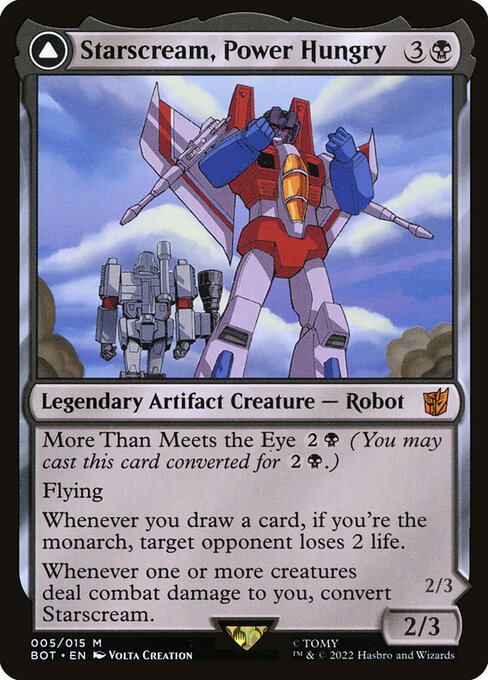
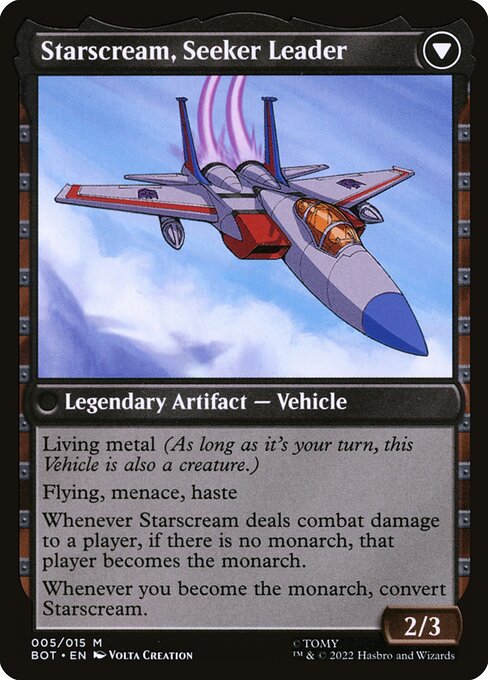
Starscream, Power Hungry // Starscream, Seeker Leader

Popular Commanders
| # | Commander | Identity | Strategy | Price |
|---|---|---|---|---|
| 01 | 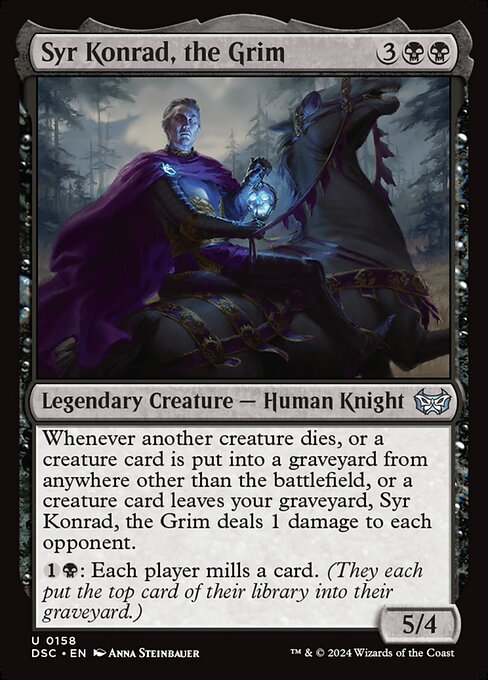 Syr Konrad, the Grim Syr Konrad, the Grim | | Mill | $1.76 |
| 02 | 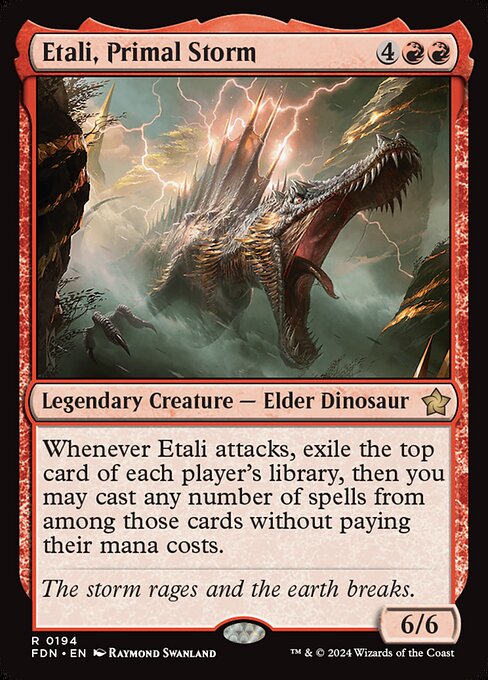 Etali, Primal Storm Etali, Primal Storm |  | Extra Combats | $0.66 |
| 03 | 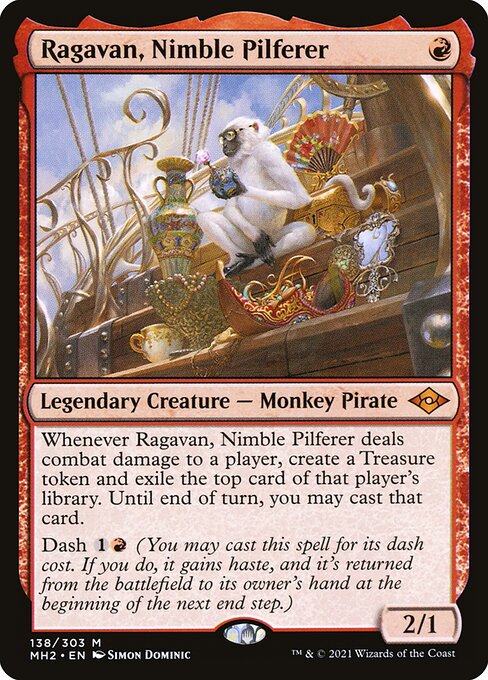 Ragavan, Nimble Pilferer Ragavan, Nimble Pilferer | | Treasure | $41.73 |
| 04 | 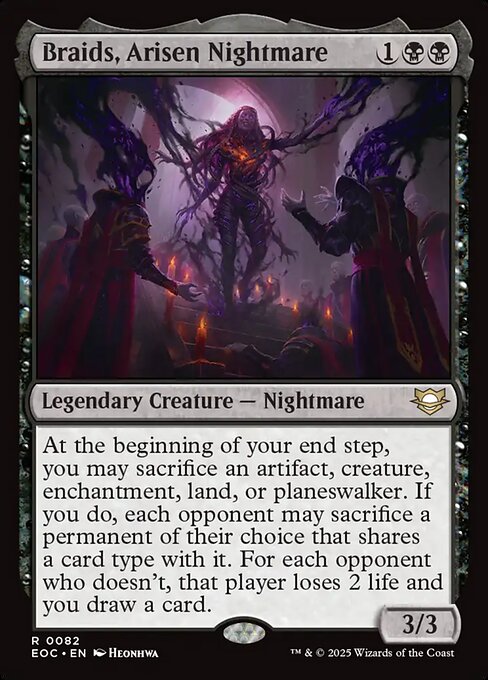 Braids, Arisen Nightmare Braids, Arisen Nightmare | | Aristocrats | $4.61 |
| 05 | 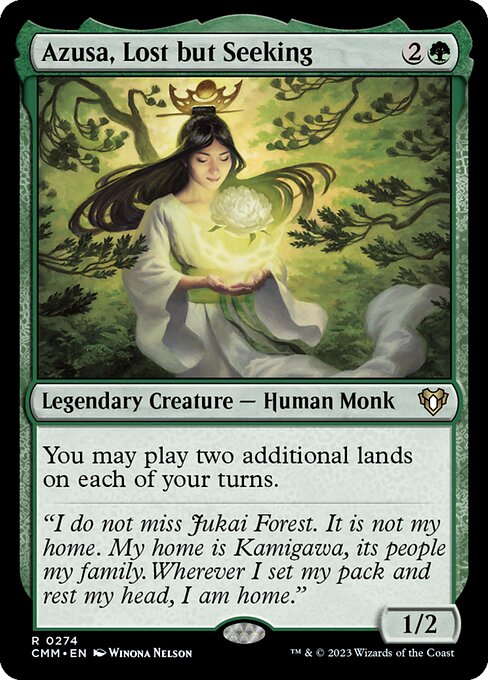 Azusa, Lost but Seeking Azusa, Lost but Seeking | | Lands Matter | $13.07 |
| 06 | 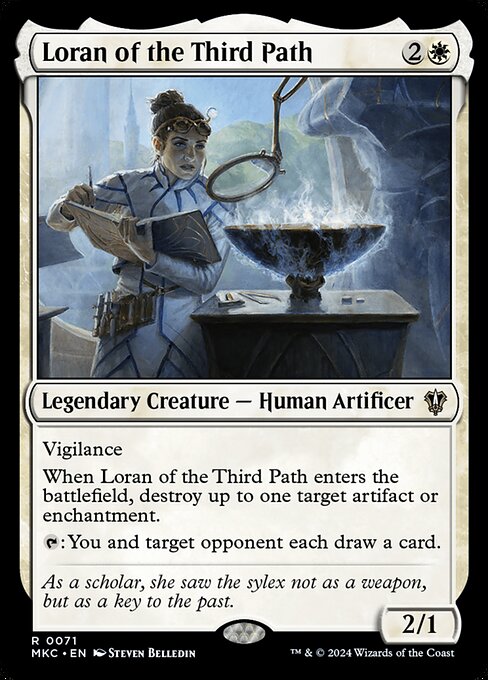 Loran of the Third Path Loran of the Third Path |  | Group Hug | $7.26 |
| 07 | 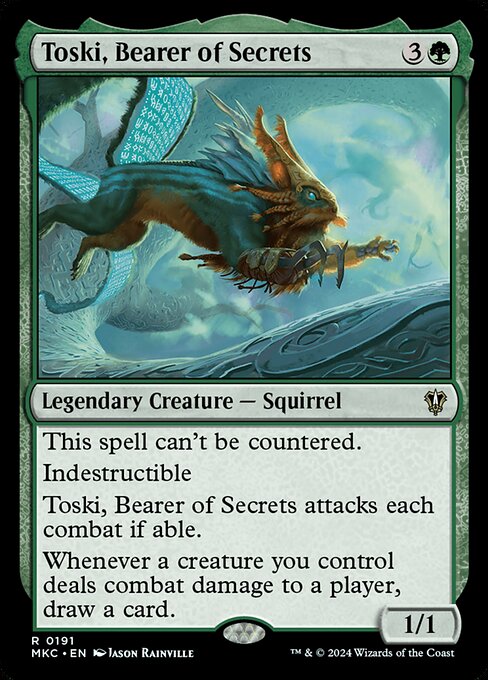 Toski, Bearer of Secrets Toski, Bearer of Secrets | | Equipment | $7.99 |
| 08 | 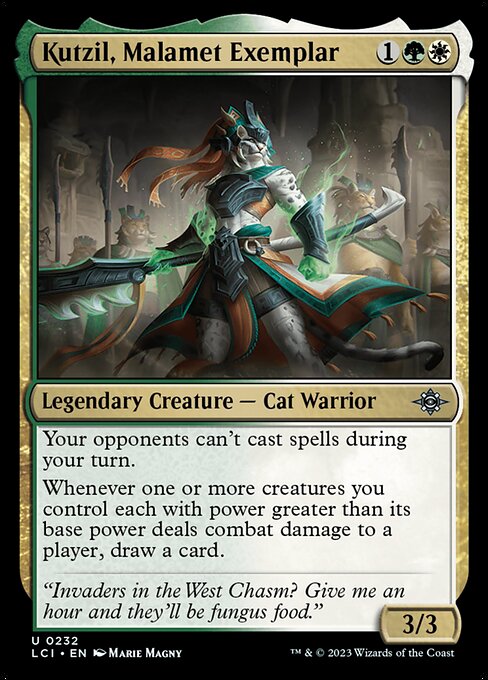 Kutzil, Malamet Exemplar Kutzil, Malamet Exemplar | | +1/+1 Counters | $2.70 |