

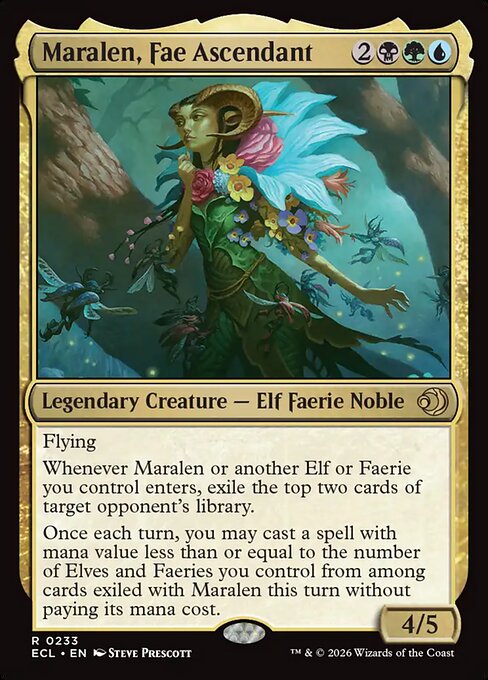
Maralen, Fae Ascendant
Color Identity



Details
Mana Value
5
Popularity
#1,174
of 3,381 commanders · via EDHREC
Card Text
Legendary Creature — Elf Faerie Noble
Flying
Whenever Maralen or another Elf or Faerie you control enters, exile the top two cards of target opponent's library.
Once each turn, you may cast a spell with mana value less than or equal to the number of Elves and Faeries you control from among cards exiled with Maralen this turn without paying its mana cost.
4/5
Playstyle
Midrange · Steady · Heavy interaction · Wins by engines
- Aggression
- 3 of 5
- Speed
- 3 of 5
- Interaction
- 4 of 5
- Combat
- 3 of 5
- Engine
- 5 of 5
- Complexity
- 4 of 5
Card Price
Strategy Guides
Tokens Strategy Guide
Token decks are for players who want one card to become many bodies and then decide whether those bodies attack, block, draw cards, or fuel another engine. This strategy wants to flood the battlefield with creatures, using token commanders, repeatable generators, and anthem effects, to win through a go wide attack or by converting the swarm into damage, drain, or mana. Tokens is different from Aristocrats because making bodies comes first, from Counters because it grows wide instead of tall, and from Voltron because it spreads pressure across many creatures. The best token decks EDH players build reward patience against sweepers and careful timing on the finishing turn.
Combo Strategy Guide
Combo decks are for players who enjoy finding a narrow line, protecting it, and ending the game with specific cards working together. This strategy wants to assemble combo commanders, tutors, draw, and compact two-card or three-card packages, using infinite combos or deterministic loops, to win in one decisive moment. Unlike Spellslinger it is not paid for every spell cast, unlike Storm it does not need a long chain turn, and unlike Big Mana it does not rely on casting one enormous payoff. The best combo decks EDH players build balance speed with enough interaction to survive the table's disruption.
Control Strategy Guide
Control decks are for players who enjoy deciding which threats matter, spending answers carefully, and winning after the table has slowed down. This strategy wants to stabilize the game, using control commanders, counterspells, removal, sweepers, and card-draw engines, to win through a protected finisher, planeswalker, combo finish, or long-term card advantage. Unlike Stax, Control answers threats on the stack or battlefield instead of locking everyone out of resources. The best control decks EDH players build accept that multiplayer control cannot counter everything, so they lean on sweepers and engines that trade across several opponents.
Mill Strategy Guide
Mill decks are for players who want to pressure a different resource: the cards left in each library. This strategy wants to put cards from libraries into graveyards, using repeatable mill commanders, doublers, and self-mill engines, to win by emptying opponents' decks or by converting stocked graveyards into value. Unlike Reanimator, Mill is not mainly trying to cheat one creature into play, and unlike Graveyard value it treats milling as the weapon or fuel source rather than the recursion engine itself. The best mill decks EDH players build respect the multiplayer math by multiplying output, protecting engines, or turning every milled card into another resource.
Appears in These Collections
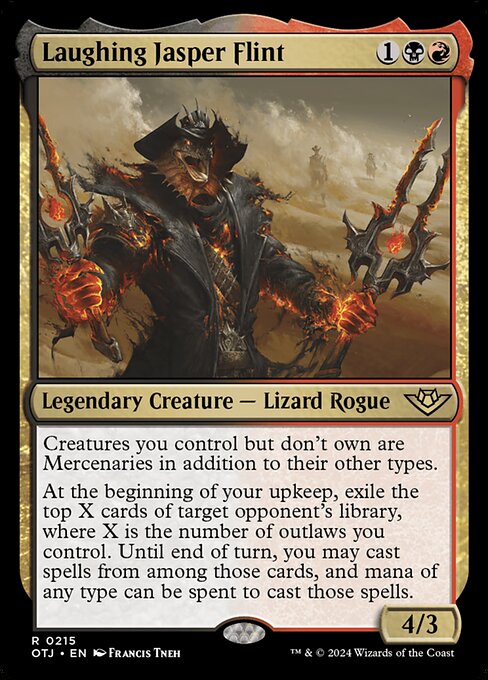
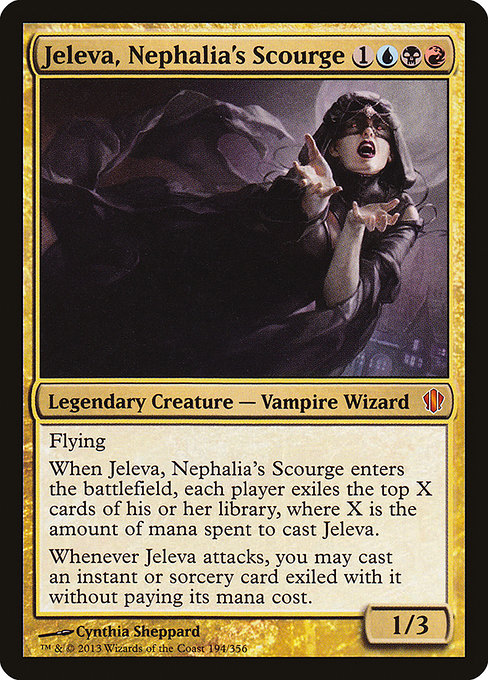
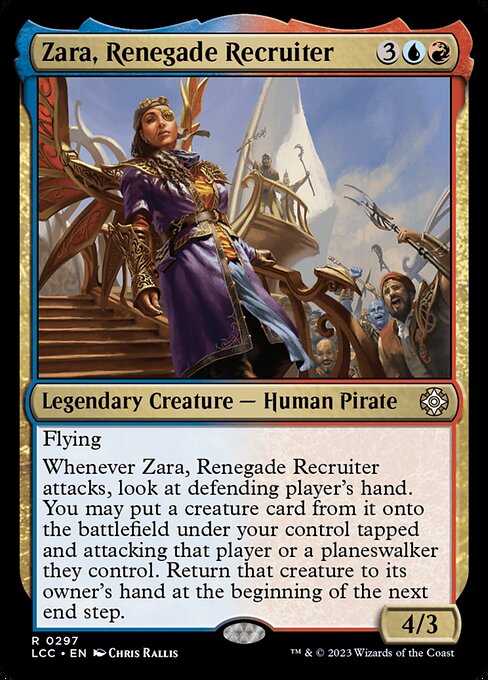
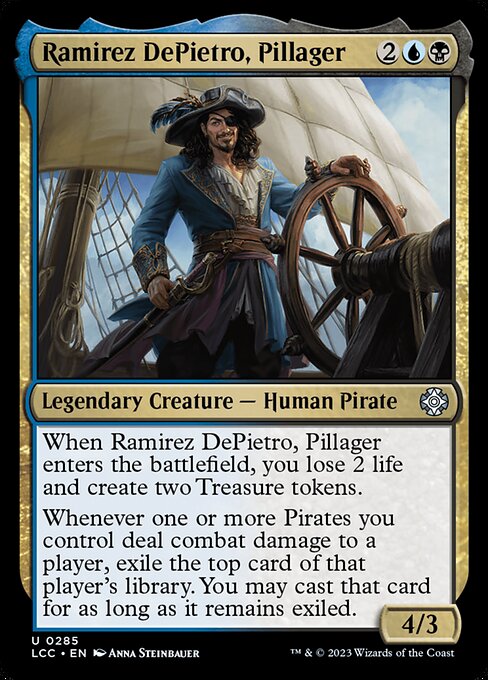
Similar Commanders
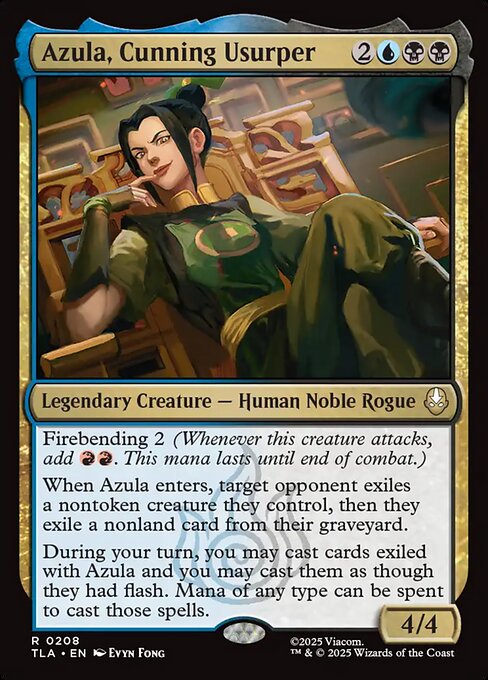
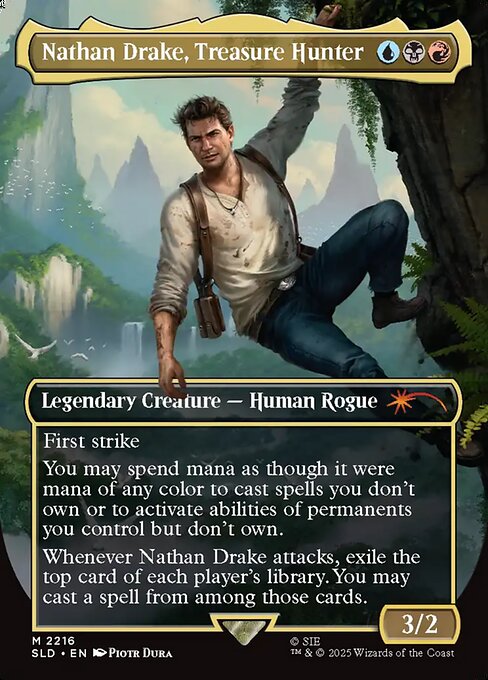
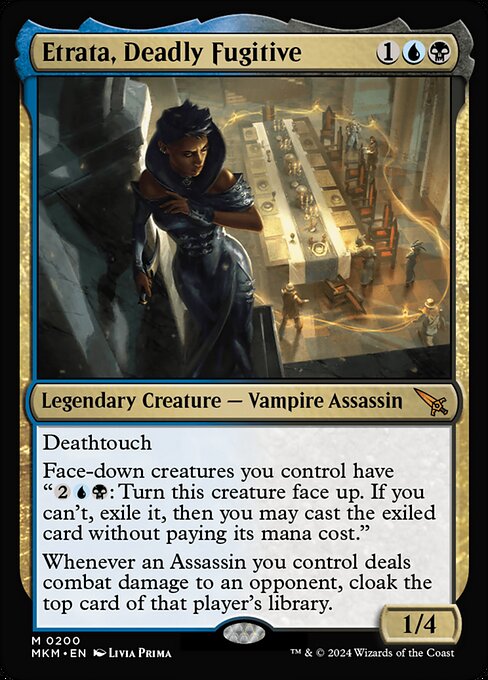
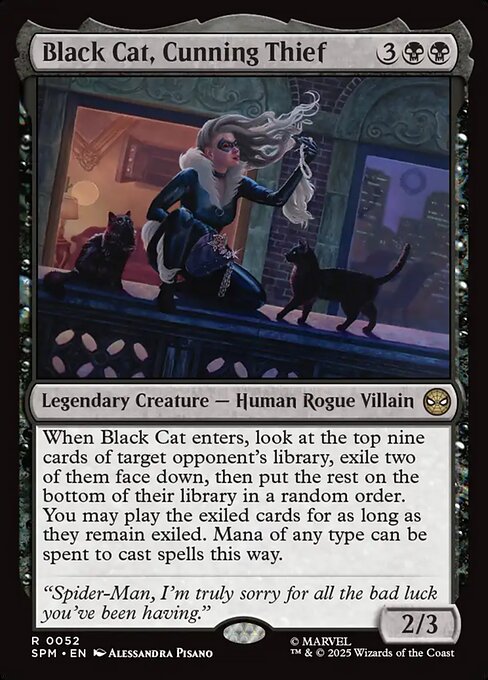
Popular Commanders
| # | Commander | Identity | Strategy | Price |
|---|---|---|---|---|
| 01 | 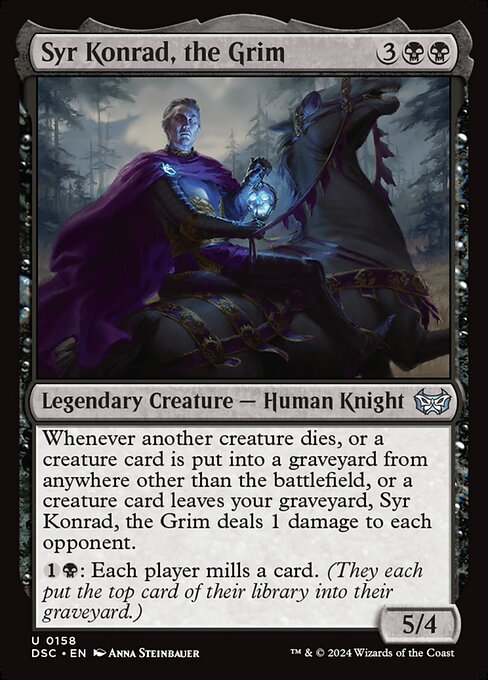 Syr Konrad, the Grim Syr Konrad, the Grim | | Mill | $1.08 |
| 02 | 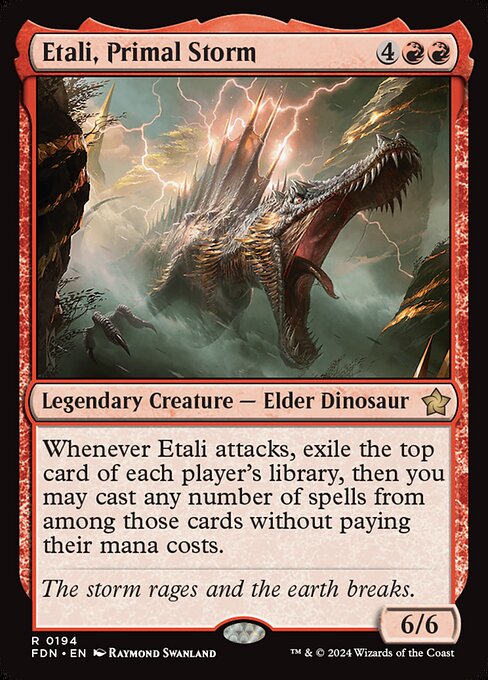 Etali, Primal Storm Etali, Primal Storm |  | Extra Combats | $0.51 |
| 03 | 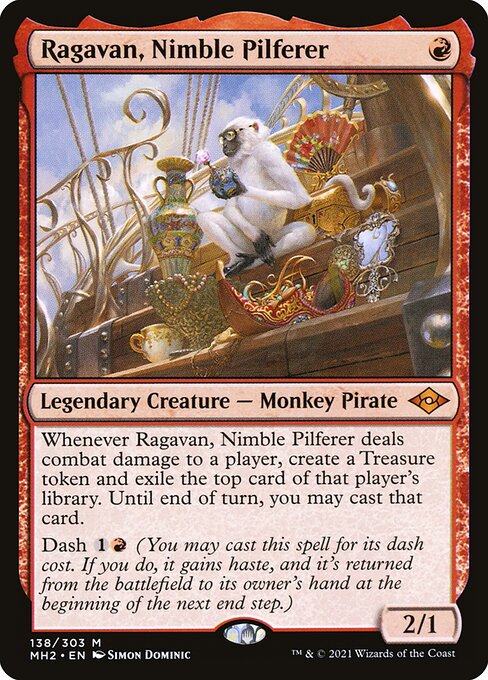 Ragavan, Nimble Pilferer Ragavan, Nimble Pilferer | | Treasure | $42.29 |
| 04 | 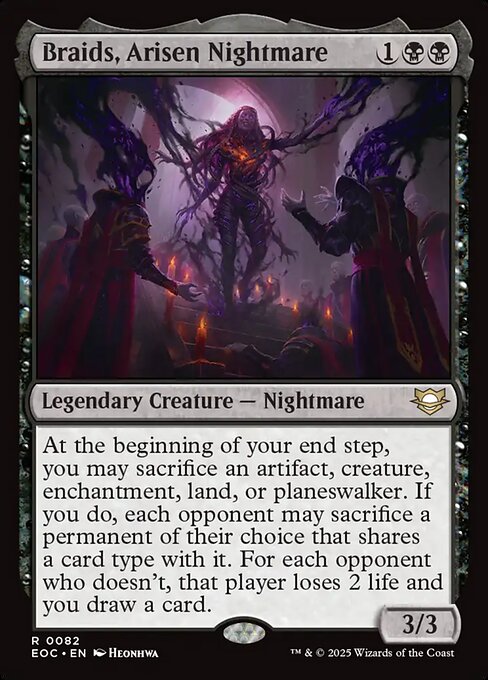 Braids, Arisen Nightmare Braids, Arisen Nightmare | | Aristocrats | $4.82 |
| 05 | 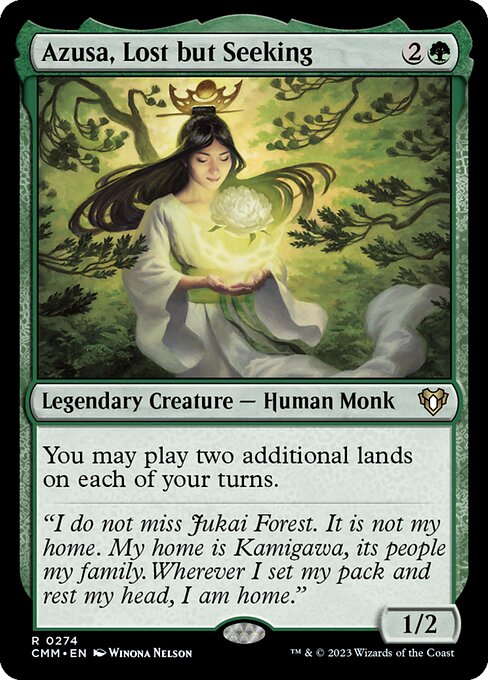 Azusa, Lost but Seeking Azusa, Lost but Seeking | | Lands Matter | $12.79 |
| 06 | 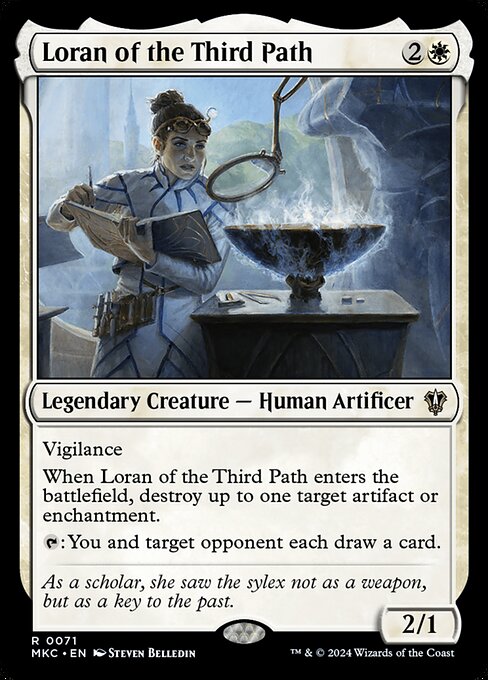 Loran of the Third Path Loran of the Third Path |  | Group Hug | $5.62 |
| 07 | 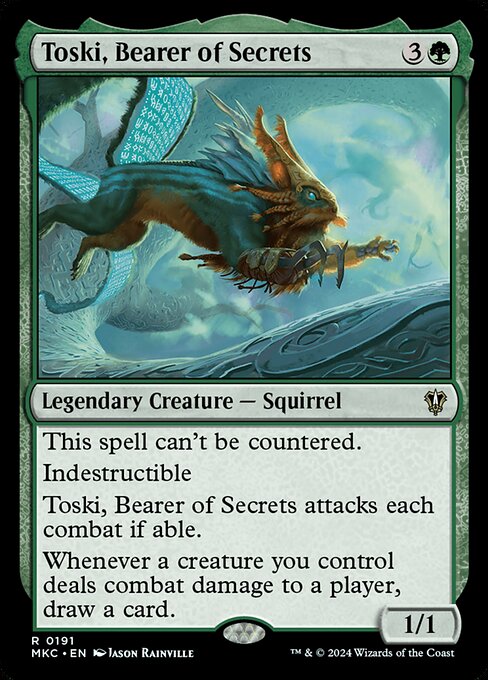 Toski, Bearer of Secrets Toski, Bearer of Secrets | | Equipment | $7.87 |
| 08 | 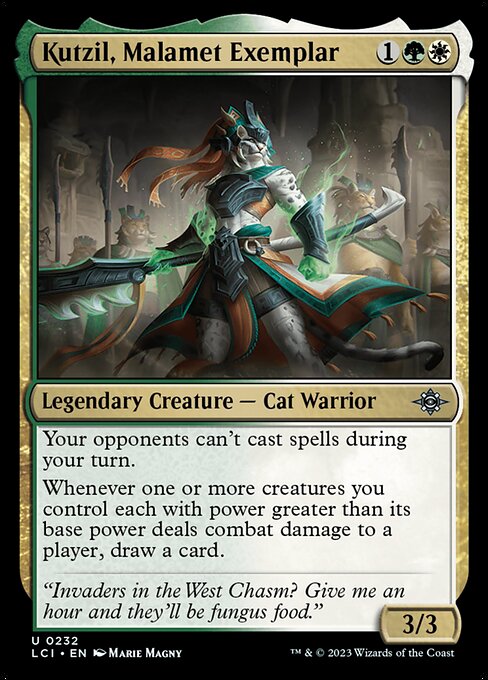 Kutzil, Malamet Exemplar Kutzil, Malamet Exemplar | | +1/+1 Counters | $3.48 |