


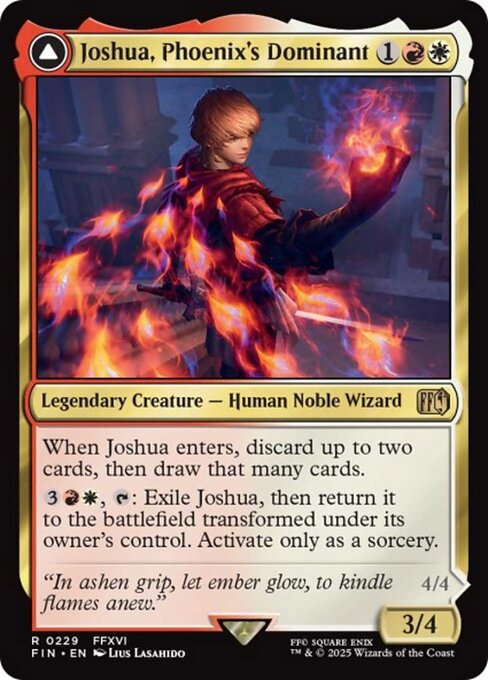
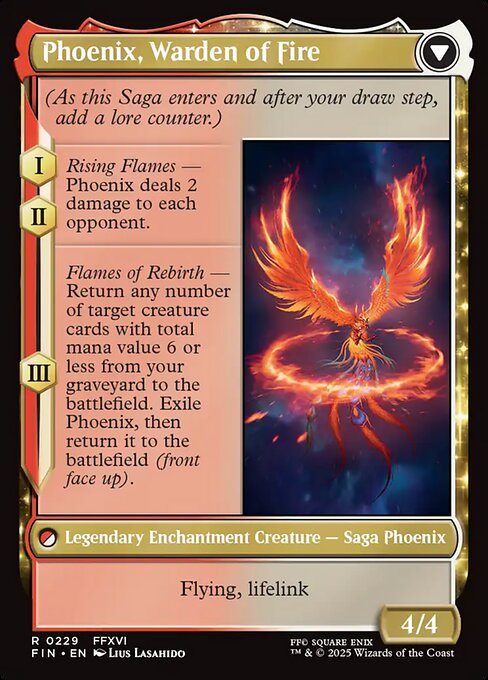
Joshua, Phoenix's Dominant // Phoenix, Warden of Fire
Color Identity


Details
Mana Value
3
Special Set
Universes Beyond
Popularity
#592
of 3,466 commanders · via EDHREC
Card Text
Legendary Creature — Human Noble Wizard // Legendary Enchantment Creature — Saga Phoenix
When Joshua enters, discard up to two cards, then draw that many cards.
{3}{R}{W}, {T}: Exile Joshua, then return it to the battlefield transformed under its owner's control. Activate only as a sorcery.
//
(As this Saga enters and after your draw step, add a lore counter.)
I, II — Rising Flames — Phoenix deals 2 damage to each opponent.
III — Flames of Rebirth — Return any number of target creature cards with total mana value 6 or less from your graveyard to the battlefield. Exile Phoenix, then return it to the battlefield (front face up).
Flying, lifelink
3/4
Playstyle
Aggro · Steady · Heavy interaction · Wins by combat
- Aggression
- 4 of 5
- Speed
- 3 of 5
- Interaction
- 3 of 5
- Combat
- 4 of 5
- Engine
- 3 of 5
- Complexity
- 4 of 5
Card Price
Strategy Guides
Reanimator Strategy Guide
Reanimator decks are for players who want to turn the graveyard into a shortcut for creatures that should cost far more mana. This strategy wants to load its own graveyard with high-impact targets, using discard, self-mill, and Entomb-style tutors, to win by casting cheap reanimation spells that cheat creatures into play ahead of schedule. Unlike Graveyard value decks, Reanimator is less about recurring small resources every turn, and unlike Mill it is not trying to empty libraries as the primary weapon. The best reanimator commanders and graveyard commanders help discard threats, return them, or convert each reanimated creature into immediate pressure.
Lifegain Strategy Guide
Lifegain decks are for players who want each point of life to become a resource, not just a larger cushion against attacks. This strategy wants to gain life in steady repeatable triggers, using lifegain commanders, Soul Warden effects, and payoff cards, to win through life drain, oversized creatures, or a charged Aetherflux Reservoir. Unlike Group Hug, it keeps the resources for itself, and unlike Aristocrats it is driven by life gained rather than death triggers. The best lifegain decks EDH players build feel patient early, then convert a safe life total into pressure.
Combo Strategy Guide
Combo decks are for players who enjoy finding a narrow line, protecting it, and ending the game with specific cards working together. This strategy wants to assemble combo commanders, tutors, draw, and compact two-card or three-card packages, using infinite combos or deterministic loops, to win in one decisive moment. Unlike Spellslinger it is not paid for every spell cast, unlike Storm it does not need a long chain turn, and unlike Big Mana it does not rely on casting one enormous payoff. The best combo decks EDH players build balance speed with enough interaction to survive the table's disruption.
Graveyard Strategy Guide
Graveyard decks are for players who want every discarded, milled, or destroyed card to remain part of the game plan. This strategy wants to stock the graveyard, using self-mill, discard outlets, sacrifice, and dredge-style cards, to win by recurring threats, lands, and value pieces until opponents run out of clean answers. Unlike Reanimator, graveyard value decks EDH players build are not centered on one huge creature arriving early, and unlike Mill they use self-mill as fuel rather than treating libraries as the main target. The best graveyard commanders turn the graveyard into a steady resource engine that can rebuild after removal.
Appears in These Collections
Similar Commanders
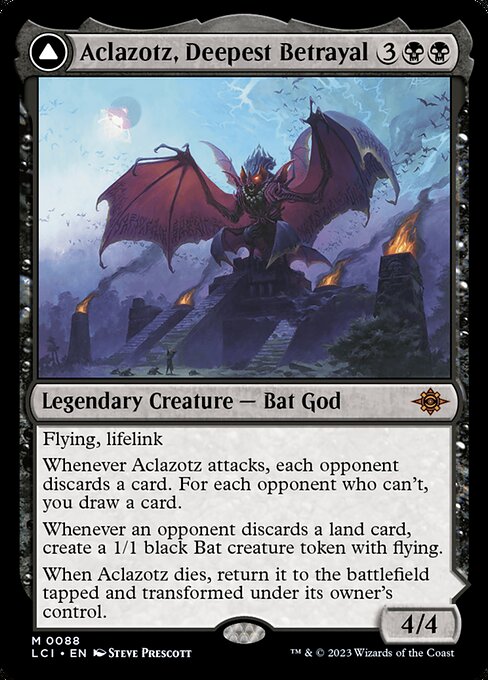
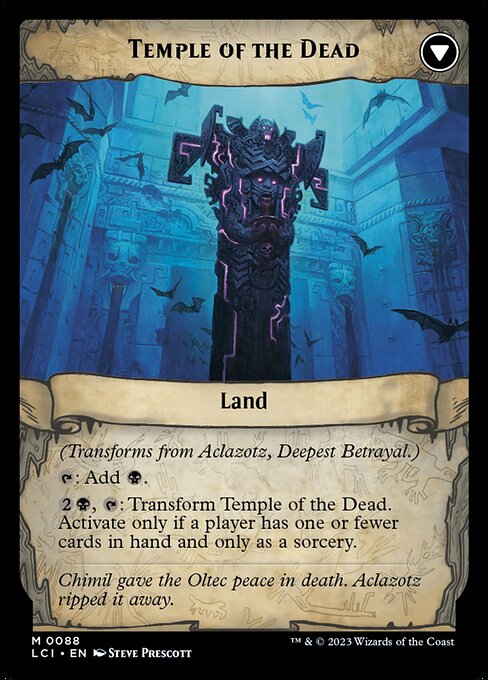
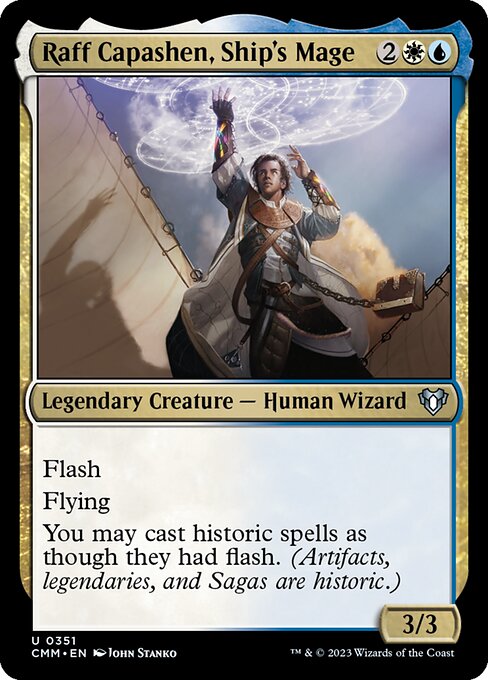
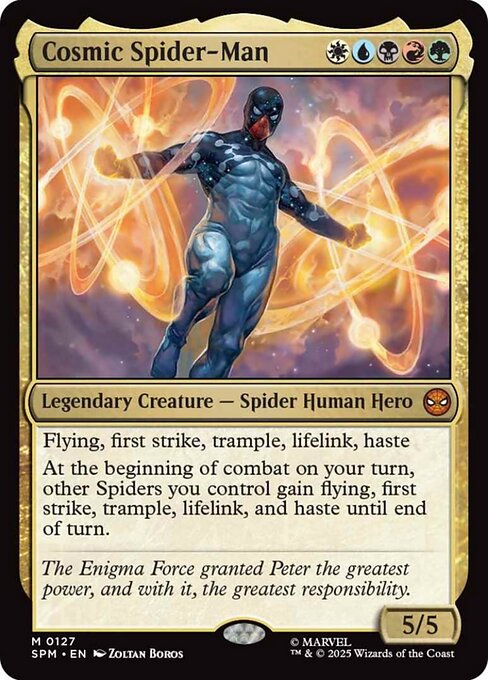
Popular Commanders
| # | Commander | Identity | Strategy | Price |
|---|---|---|---|---|
| 01 | 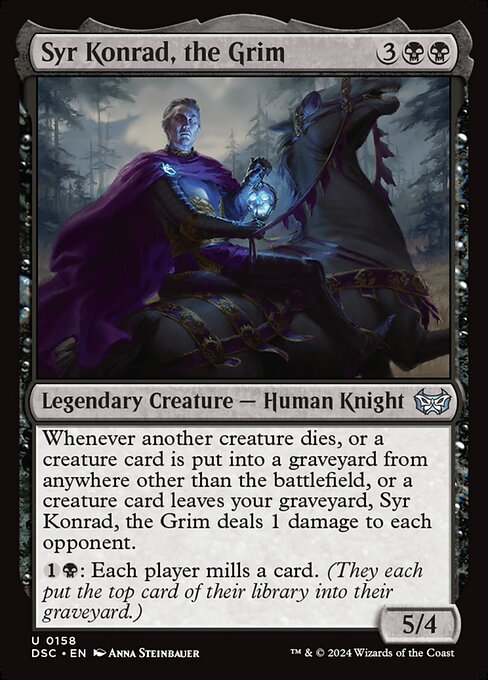 Syr Konrad, the Grim Syr Konrad, the Grim |  | Mill | $1.76 |
| 02 | 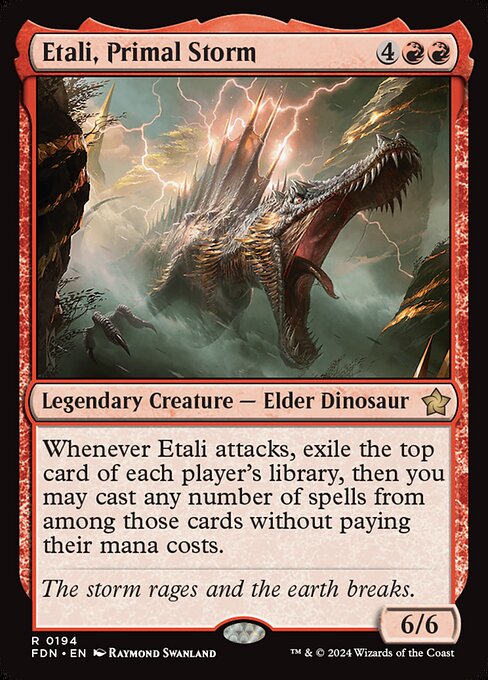 Etali, Primal Storm Etali, Primal Storm | | Extra Combats | $0.66 |
| 03 | 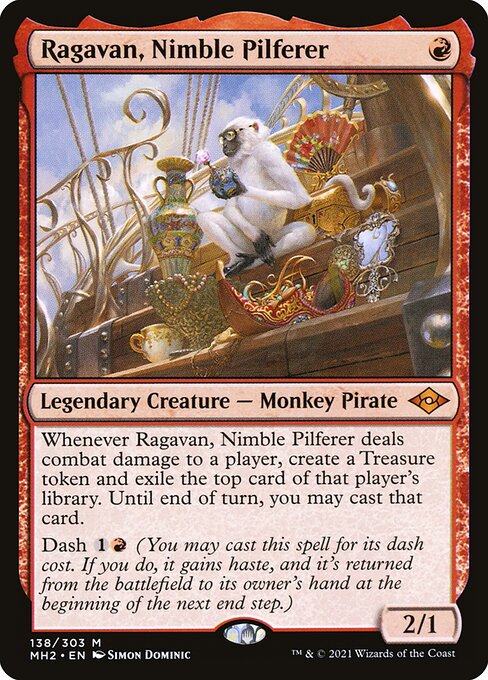 Ragavan, Nimble Pilferer Ragavan, Nimble Pilferer | | Treasure | $41.73 |
| 04 | 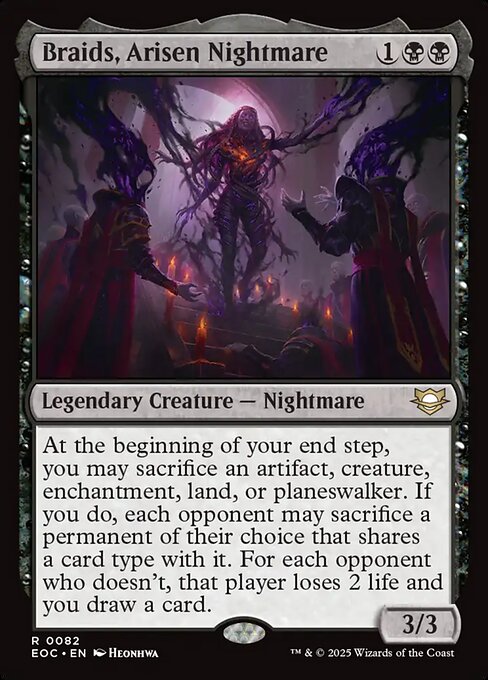 Braids, Arisen Nightmare Braids, Arisen Nightmare | | Aristocrats | $4.61 |
| 05 | 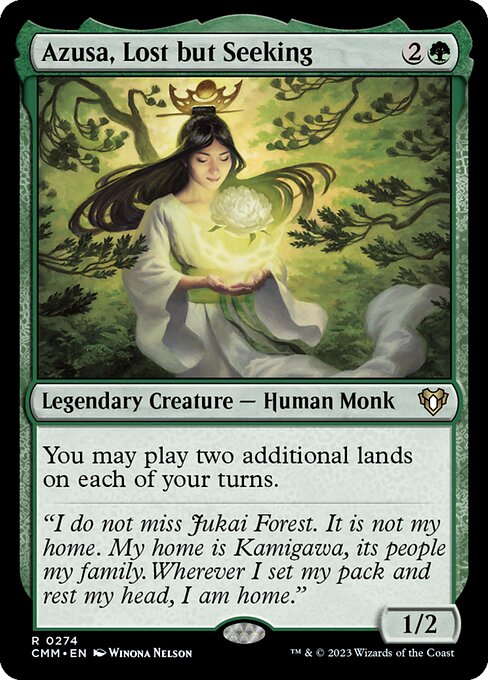 Azusa, Lost but Seeking Azusa, Lost but Seeking |  | Lands Matter | $13.07 |
| 06 | 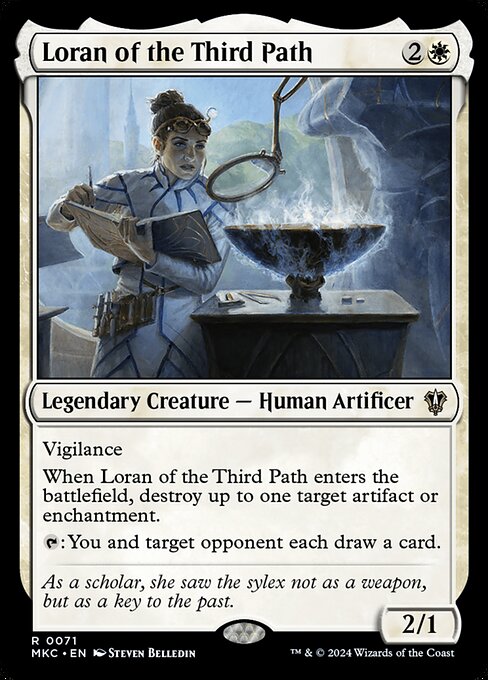 Loran of the Third Path Loran of the Third Path | | Group Hug | $7.26 |
| 07 | 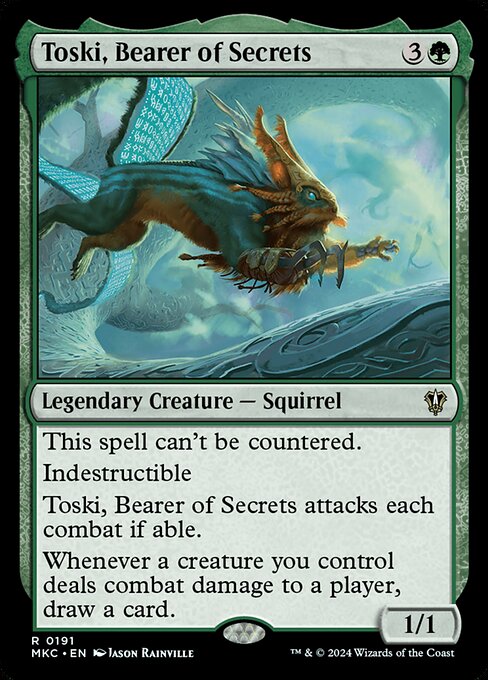 Toski, Bearer of Secrets Toski, Bearer of Secrets | | Equipment | $7.99 |
| 08 | 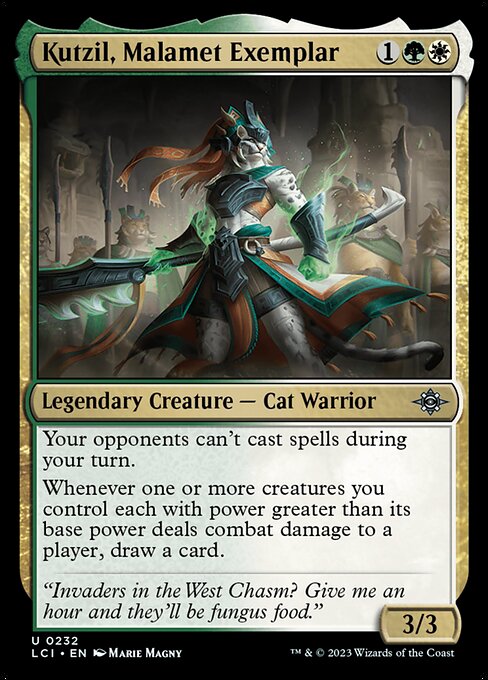 Kutzil, Malamet Exemplar Kutzil, Malamet Exemplar | | +1/+1 Counters | $2.70 |