

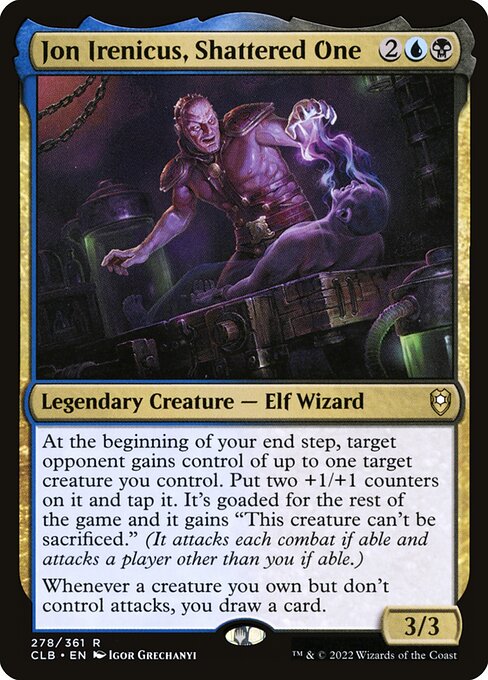
Jon Irenicus, Shattered One
Color Identity


Details
Mana Value
4
Popularity
#1,307
of 3,466 commanders · via EDHREC
Card Text
Legendary Creature — Elf Wizard
At the beginning of your end step, target opponent gains control of up to one target creature you control. Put two +1/+1 counters on it and tap it. It's goaded for the rest of the game and it gains "This creature can't be sacrificed." (It attacks each combat if able and attacks a player other than you if able.)
Whenever a creature you own but don't control attacks, you draw a card.
3/3
Playstyle
Control · Steady · Political · Incremental wins
- Aggression
- 2 of 5
- Speed
- 2 of 5
- Interaction
- 5 of 5
- Combat
- 3 of 5
- Engine
- 4 of 5
- Complexity
- 4 of 5
Card Price
Strategy Guides
Control Strategy Guide
Control decks are for players who enjoy deciding which threats matter, spending answers carefully, and winning after the table has slowed down. This strategy wants to stabilize the game, using control commanders, counterspells, removal, sweepers, and card-draw engines, to win through a protected finisher, planeswalker, combo finish, or long-term card advantage. Unlike Stax, Control answers threats on the stack or battlefield instead of locking everyone out of resources. The best control decks EDH players build accept that multiplayer control cannot counter everything, so they lean on sweepers and engines that trade across several opponents.
Infect Strategy Guide
Infect decks are for players who want life totals to matter less than reaching ten poison on each opponent. This strategy wants to connect with infect and toxic creatures, using pump spells, evasion, protection, and infect commanders, to win through poison counter decks EDH opponents have to answer early. In the Counters, Proliferate, and Infect overlap, Counters grows creatures, Proliferate multiplies many counter types, and Infect is the poison win condition that proliferate can accelerate. The social cost is real: once poison appears, the table often treats you as the first threat, and some pods restrict the mechanic before deck selection.
+1/+1 Counters Strategy Guide
+1/+1 counter decks are for players who want small creature upgrades to become permanent pressure across the board. This strategy wants to grow creatures over several turns, using +1/+1 counter commanders, counter doublers, and counter payoffs, to win through combat damage from creatures that keep getting larger. Unlike Tokens, Counters grows creatures over time instead of making many bodies, and unlike Voltron it spreads power beyond one attacker; unlike Proliferate, it focuses on +1/+1 growth rather than every counter type, while Infect is a separate poison plan. Counters matter decks reward pilots who sequence early creatures, multipliers, and protection so each trigger converts into lasting board presence.
Group Hug Strategy Guide
Group Hug decks are for players who want table politics to matter as much as board position. This strategy wants to give everyone extra cards, lands, or mana, using group hug commanders and symmetrical resource effects, to win through political leverage, hidden payoffs, or a carefully timed finish. Unlike Lifegain, it does not make your own life total the engine; it gives resources away and tries to profit from who uses them. The best political decks EDH players remember are frank about the risk: your gifts can help the wrong player first.
Appears in These Collections
Similar Commanders
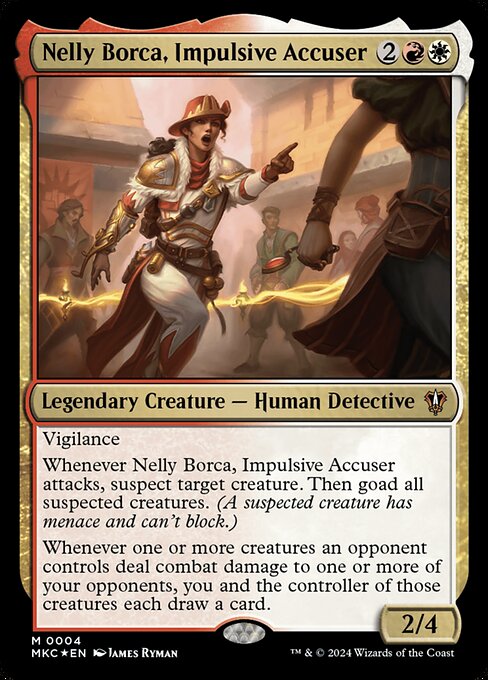
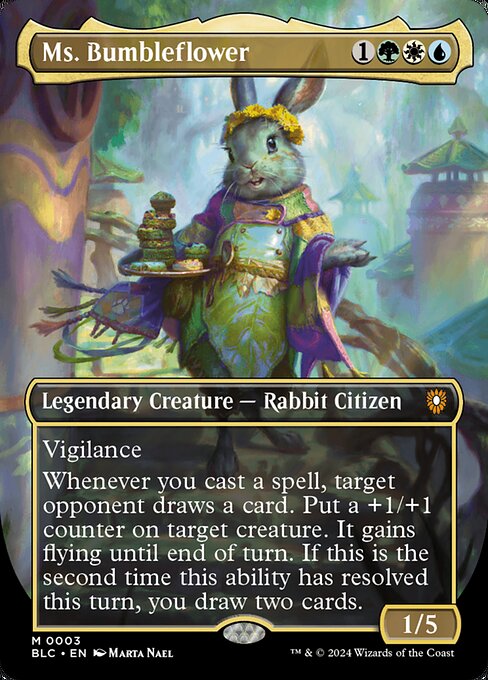
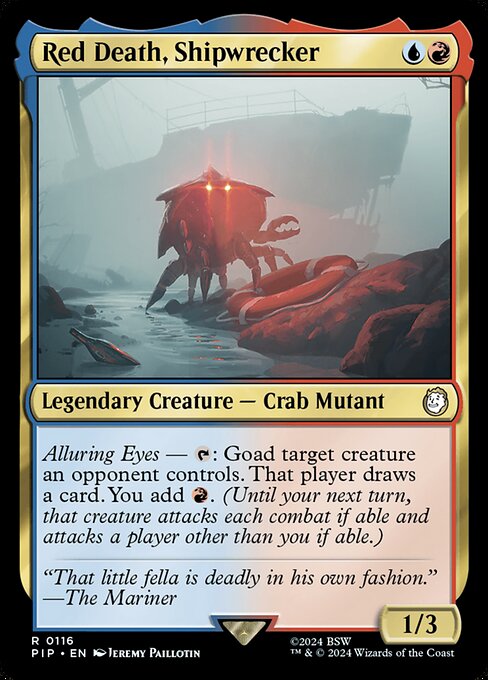
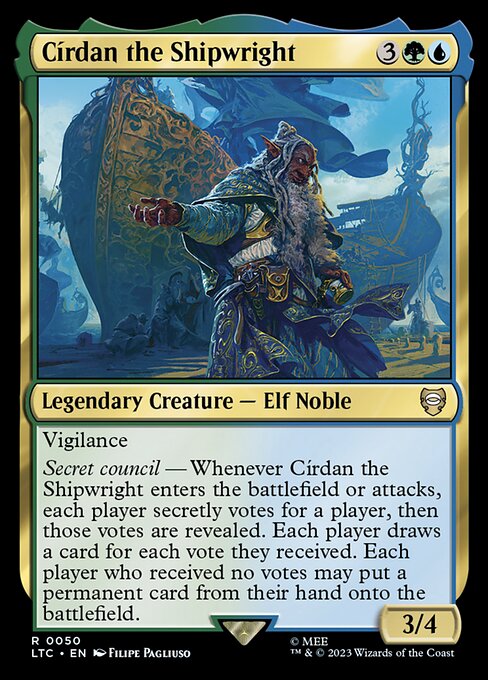
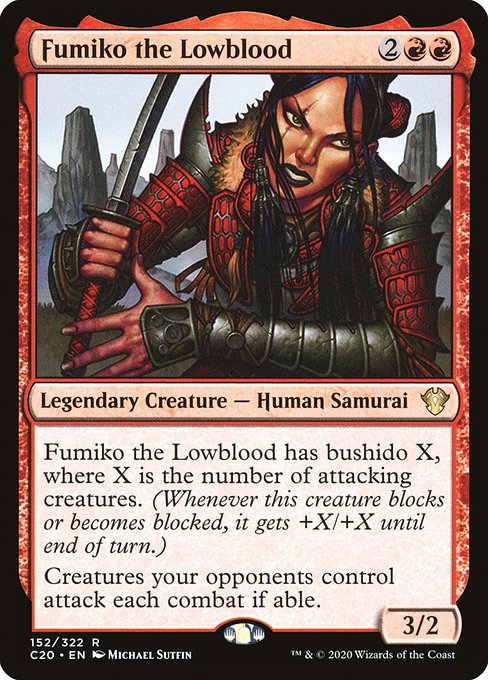
Popular Commanders
| # | Commander | Identity | Strategy | Price |
|---|---|---|---|---|
| 01 | 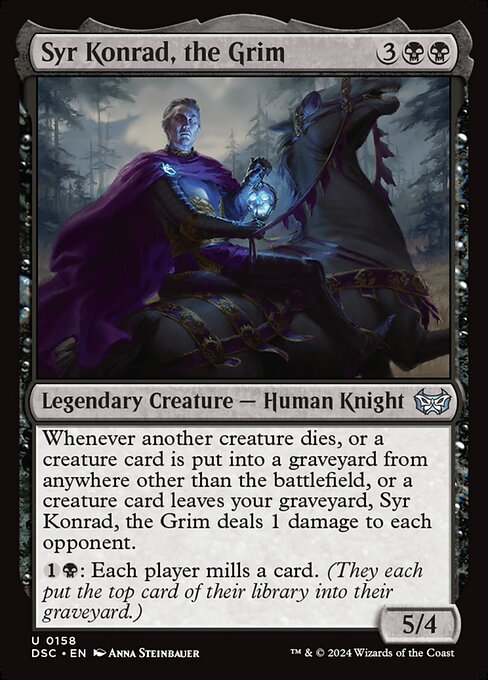 Syr Konrad, the Grim Syr Konrad, the Grim | | Mill | $1.76 |
| 02 | 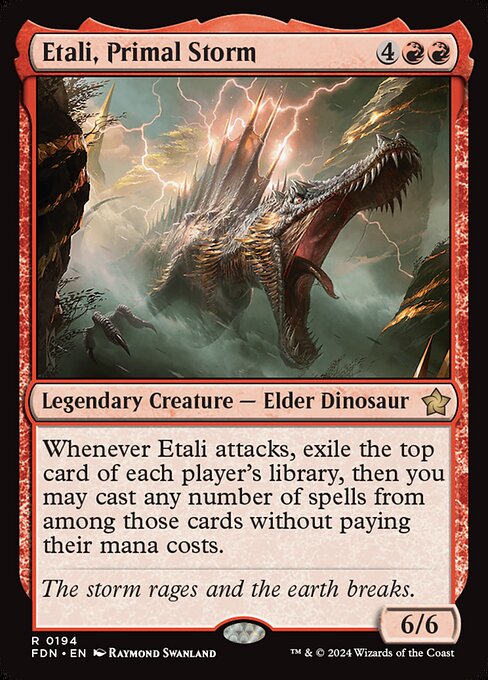 Etali, Primal Storm Etali, Primal Storm |  | Extra Combats | $0.66 |
| 03 | 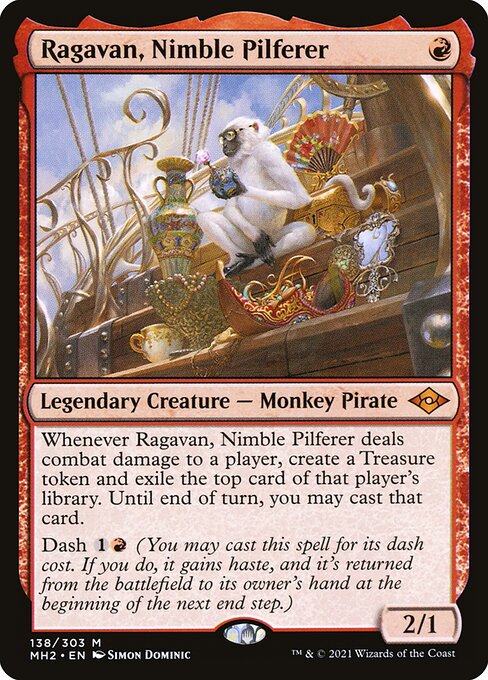 Ragavan, Nimble Pilferer Ragavan, Nimble Pilferer | | Treasure | $41.73 |
| 04 | 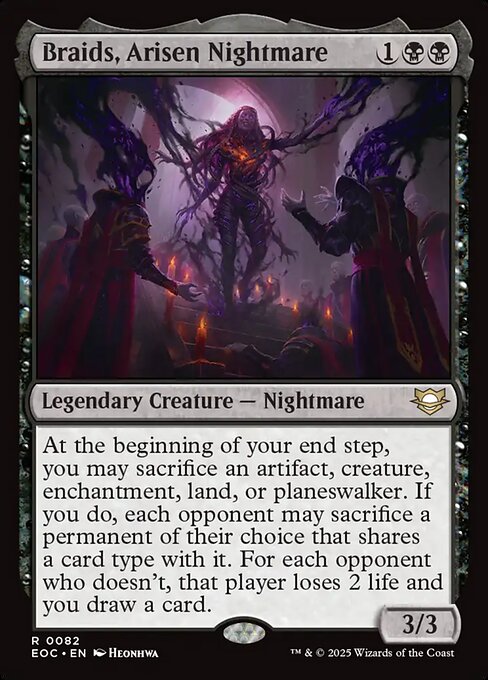 Braids, Arisen Nightmare Braids, Arisen Nightmare | | Aristocrats | $4.61 |
| 05 | 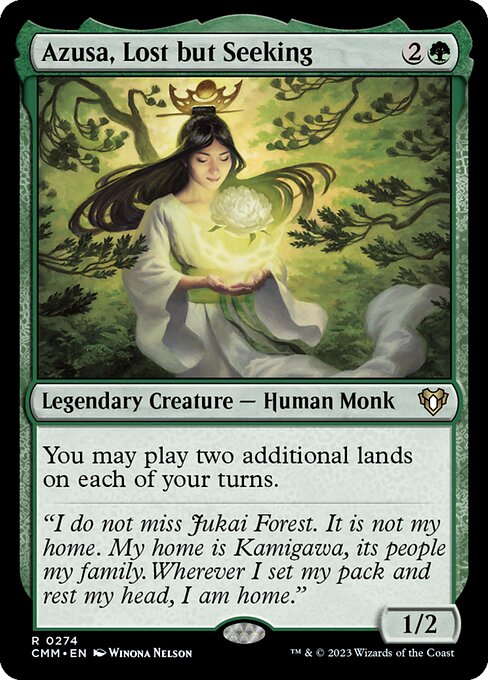 Azusa, Lost but Seeking Azusa, Lost but Seeking |  | Lands Matter | $13.07 |
| 06 | 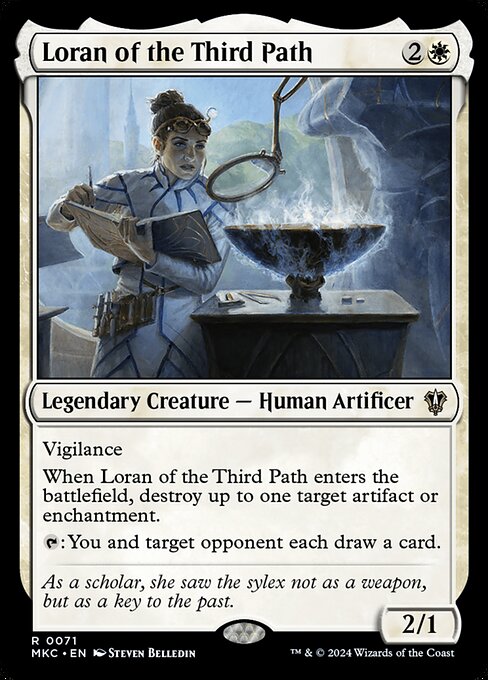 Loran of the Third Path Loran of the Third Path |  | Group Hug | $7.26 |
| 07 | 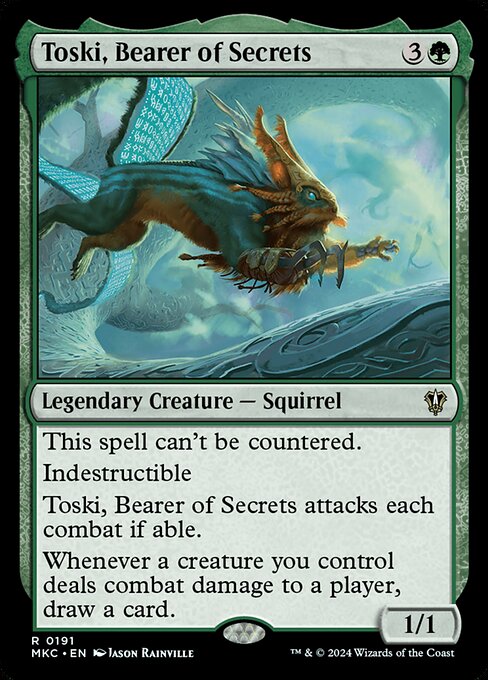 Toski, Bearer of Secrets Toski, Bearer of Secrets | | Equipment | $7.99 |
| 08 | 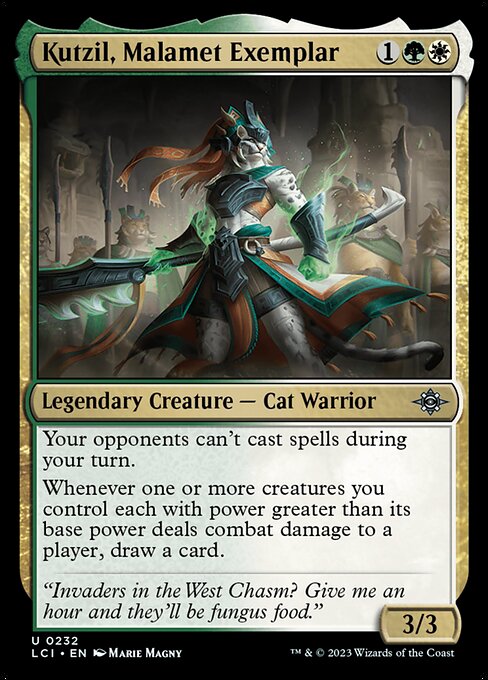 Kutzil, Malamet Exemplar Kutzil, Malamet Exemplar | | +1/+1 Counters | $2.70 |