

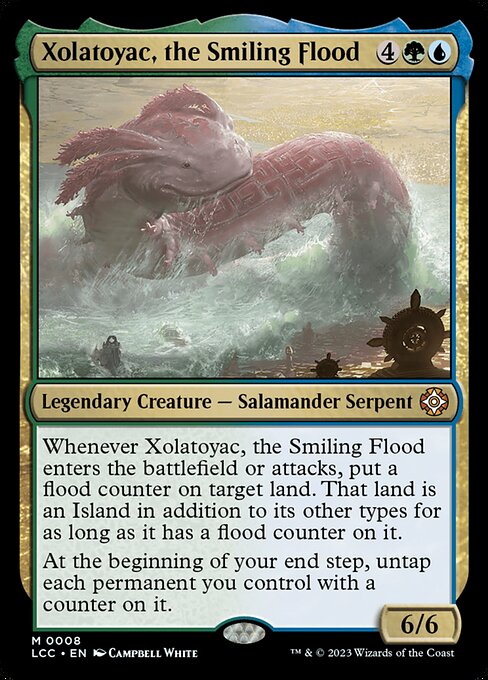
Xolatoyac, the Smiling Flood
Color Identity


Details
Mana Value
6
Popularity
#752
of 3,466 commanders · via EDHREC
Card Text
Legendary Creature — Salamander Serpent
Whenever Xolatoyac enters or attacks, put a flood counter on target land. That land is an Island in addition to its other types for as long as it has a flood counter on it.
At the beginning of your end step, untap each permanent you control with a counter on it.
6/6
Playstyle
Control · Steady · Group influence · Wins by engines
- Aggression
- 3 of 5
- Speed
- 2 of 5
- Interaction
- 3 of 5
- Combat
- 3 of 5
- Engine
- 5 of 5
- Complexity
- 4 of 5
Card Price
Strategy Guides
+1/+1 Counters Strategy Guide
+1/+1 counter decks are for players who want small creature upgrades to become permanent pressure across the board. This strategy wants to grow creatures over several turns, using +1/+1 counter commanders, counter doublers, and counter payoffs, to win through combat damage from creatures that keep getting larger. Unlike Tokens, Counters grows creatures over time instead of making many bodies, and unlike Voltron it spreads power beyond one attacker; unlike Proliferate, it focuses on +1/+1 growth rather than every counter type, while Infect is a separate poison plan. Counters matter decks reward pilots who sequence early creatures, multipliers, and protection so each trigger converts into lasting board presence.
Ramp Strategy Guide
Ramp decks are for players who want to spend the early game accelerating so later turns happen ahead of schedule. This strategy wants to build more mana than the table, using mana ramp EDH staples, extra land drops, dorks, and rocks, to win through earlier threats, large spells, or a resource lead opponents must answer. Ramp is different from Landfall because acceleration is the point, and different from Big Mana because it is the engine rather than the payoff. The best ramp commanders reward extra mana sources while still giving you something meaningful to cast.
Control Strategy Guide
Control decks are for players who enjoy deciding which threats matter, spending answers carefully, and winning after the table has slowed down. This strategy wants to stabilize the game, using control commanders, counterspells, removal, sweepers, and card-draw engines, to win through a protected finisher, planeswalker, combo finish, or long-term card advantage. Unlike Stax, Control answers threats on the stack or battlefield instead of locking everyone out of resources. The best control decks EDH players build accept that multiplayer control cannot counter everything, so they lean on sweepers and engines that trade across several opponents.
Stax Strategy Guide
Stax decks are for players who want to win by deciding which resources matter before opponents can use them. This strategy wants to tax mana, cards, combat, and casting windows, using stax commanders and resource denial EDH pieces like Winter Orb and Smokestack, to win through a board state where your deck still functions and opponents cannot rebuild. Unlike Control, which answers threats after they appear, Stax locks the costs and rules of the game so many threats never get cast. The best stax commanders break parity, then convert the slowed table into combat damage, attrition, or a compact combo.
Appears in These Collections
Similar Commanders

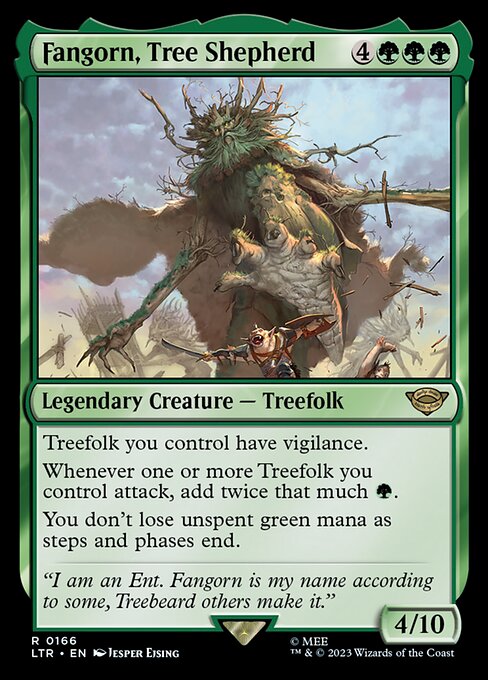
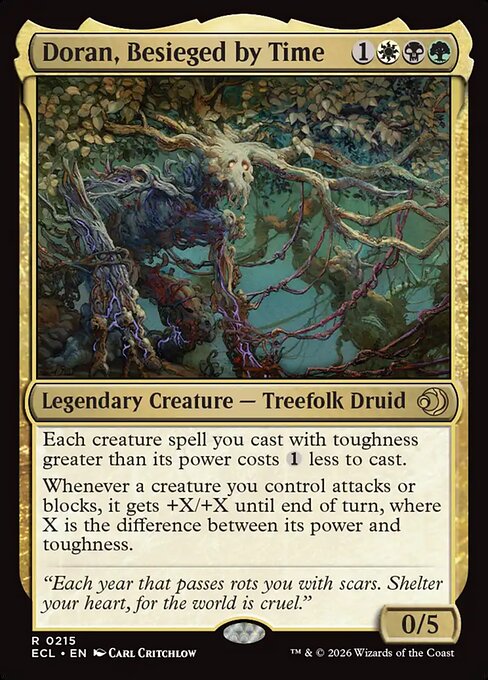
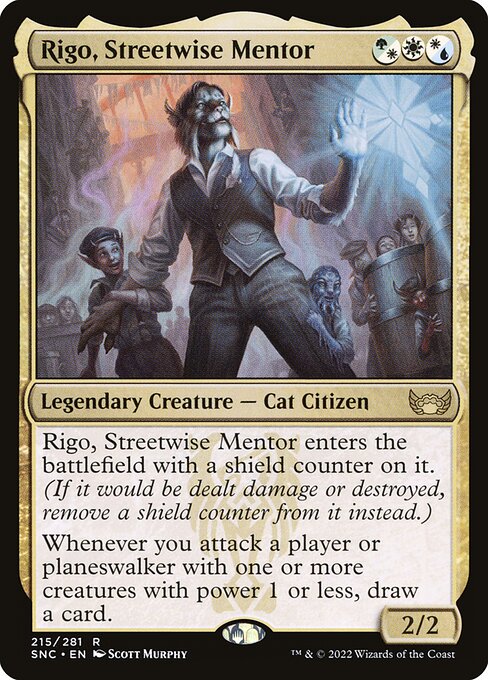
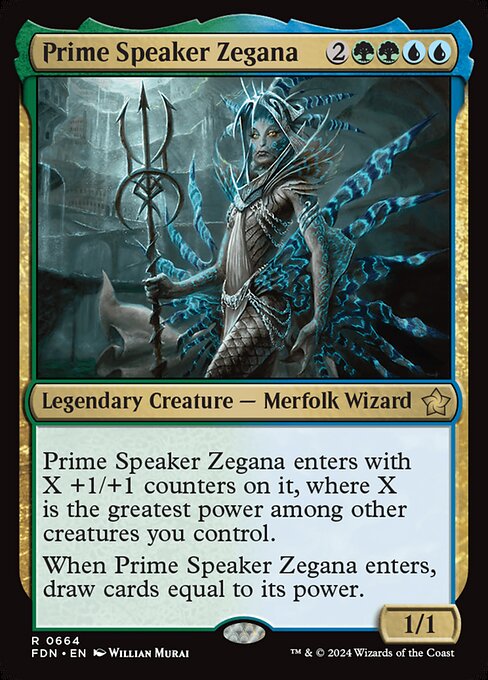
Popular Commanders
| # | Commander | Identity | Strategy | Price |
|---|---|---|---|---|
| 01 | 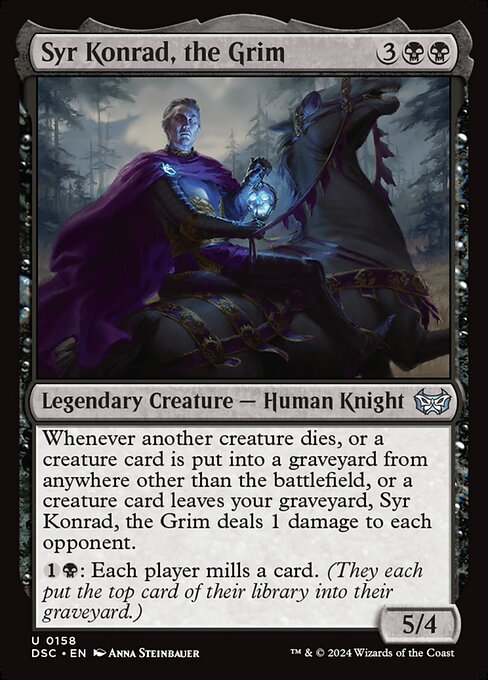 Syr Konrad, the Grim Syr Konrad, the Grim |  | Mill | $1.76 |
| 02 | 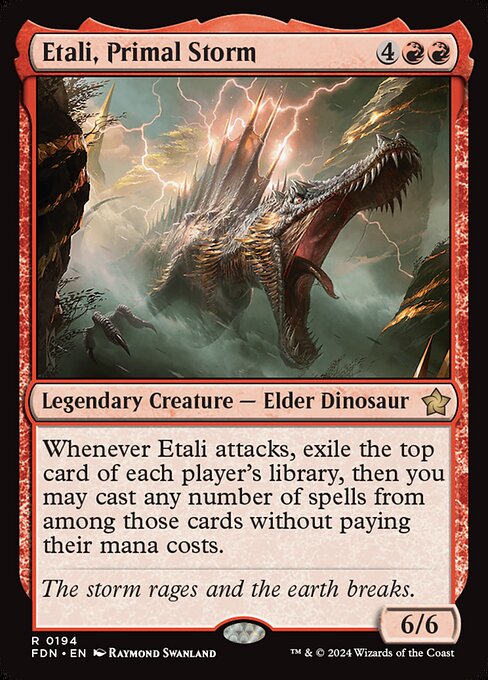 Etali, Primal Storm Etali, Primal Storm |  | Extra Combats | $0.66 |
| 03 | 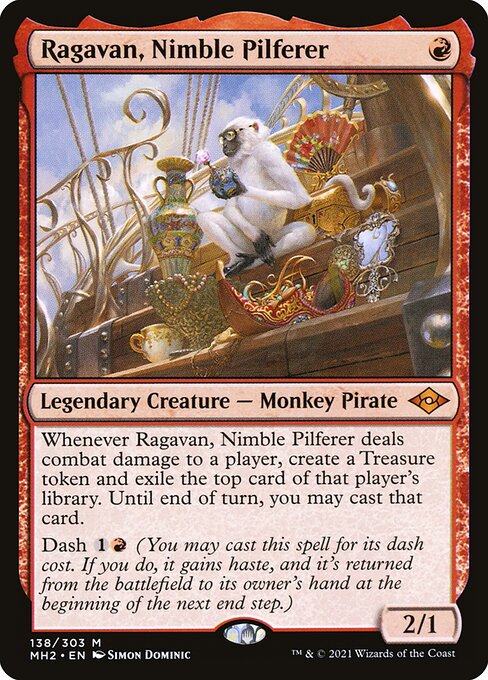 Ragavan, Nimble Pilferer Ragavan, Nimble Pilferer | | Treasure | $41.73 |
| 04 | 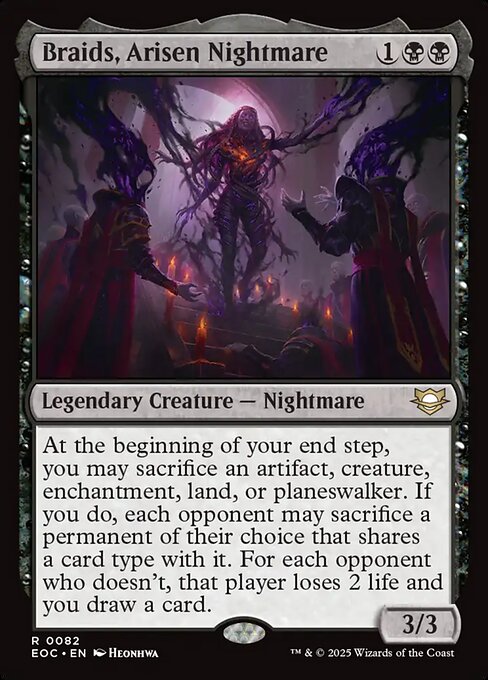 Braids, Arisen Nightmare Braids, Arisen Nightmare | | Aristocrats | $4.61 |
| 05 |  Azusa, Lost but Seeking Azusa, Lost but Seeking | | Lands Matter | $13.07 |
| 06 | 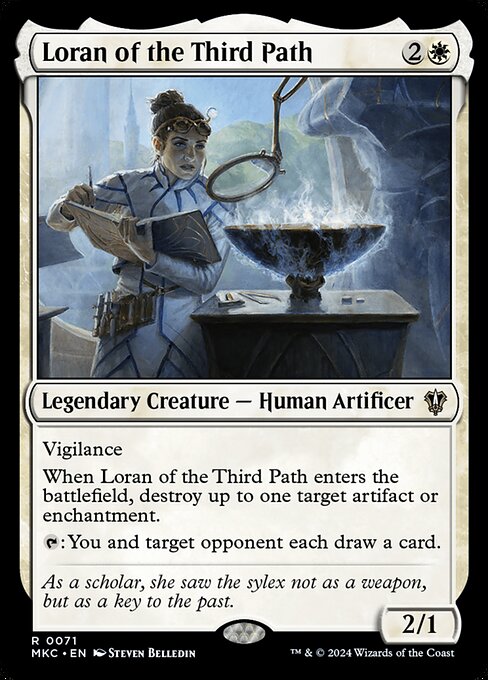 Loran of the Third Path Loran of the Third Path |  | Group Hug | $7.26 |
| 07 | 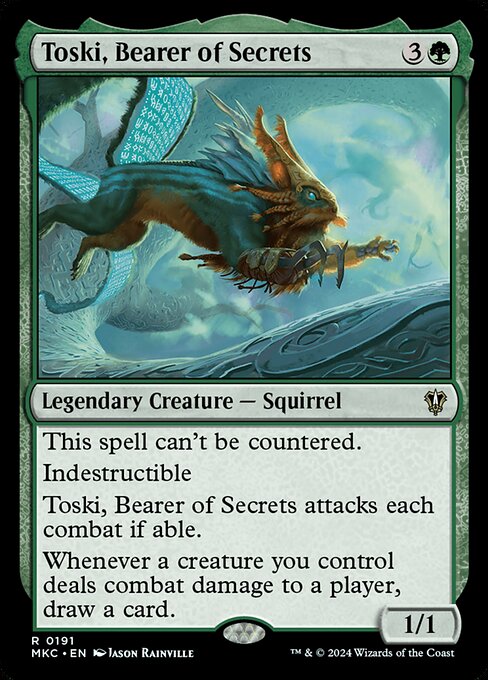 Toski, Bearer of Secrets Toski, Bearer of Secrets | | Equipment | $7.99 |
| 08 | 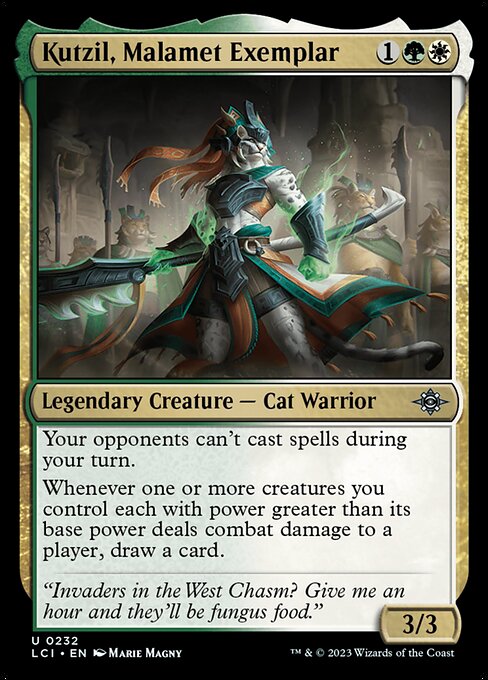 Kutzil, Malamet Exemplar Kutzil, Malamet Exemplar | | +1/+1 Counters | $2.70 |